Alamut Represents Iranian Culture and Civilization
The Secretary-General of Iran’s National Commission for UNESCO outlined the criteria for the inscription of “Alamut Castle and Its Associated Fortifications” on the UNESCO World Heritage List, describing the complex as a reflection of Iranian culture and civilization. He stated that the inscription of Alamut could provide an opportunity to promote both international and domestic tourism in the region.
The Secretary-General of Iran’s National Commission for UNESCO outlined the criteria for the inscription of “Alamut Castle and Its Associated Fortifications” on the UNESCO World Heritage List, describing the complex as a reflection of Iranian culture and civilization. He stated that the inscription of Alamut could provide an opportunity to promote both international and domestic tourism in the region.
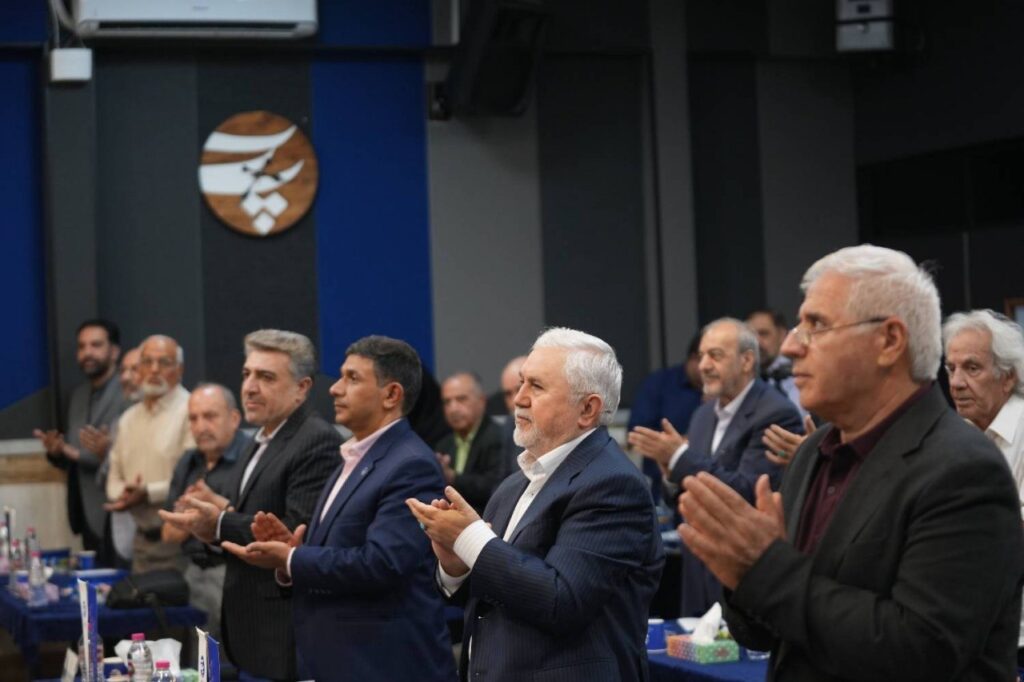
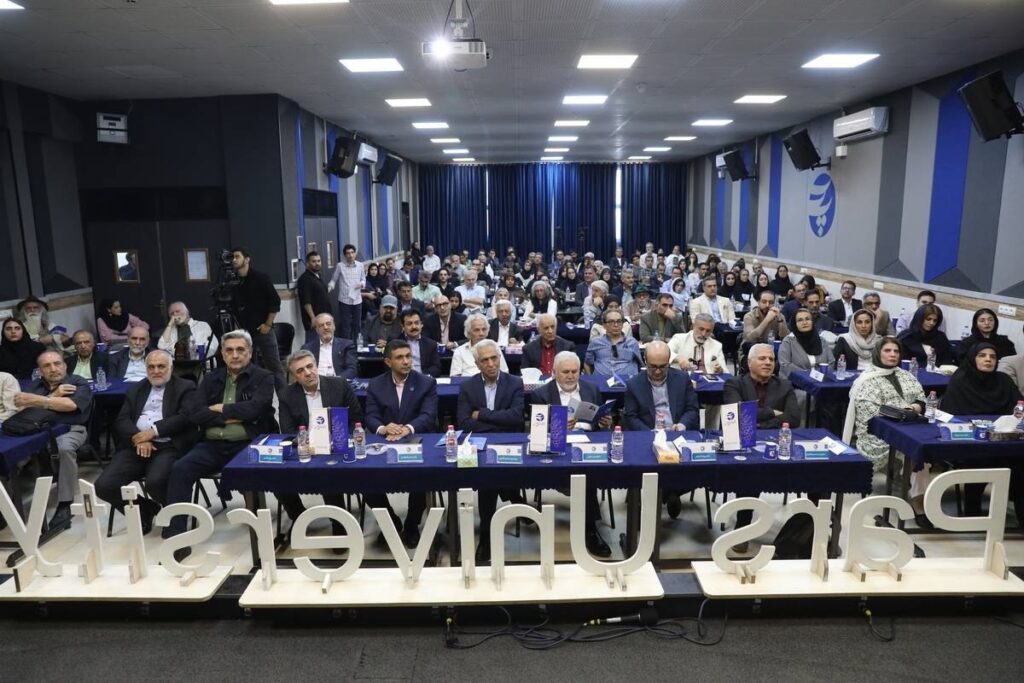
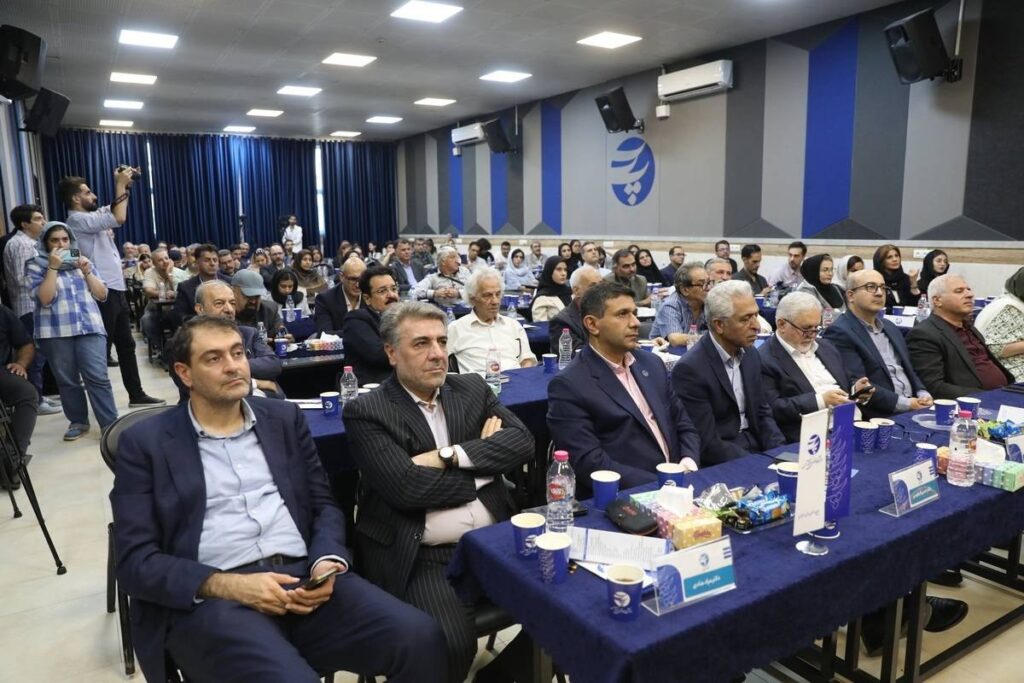
At the ceremony, Ali Darabi, Deputy Minister and Deputy Head of Cultural Heritage at the Ministry of Cultural Heritage, Tourism and Handicrafts; Professor Mahmoud Golabchi, Founder of Pars University of Architecture and Art; Dr. Hassan Fartousi, Secretary-General of Iran’s National Commission for UNESCO; Dr. Mohammad Hassan Talebian, Head of the Alamut Castle World Heritage nomination file; Alireza Izadi, Director-General for the Registration of Works and the Preservation and Revitalization of Intangible and Natural Heritage at the Ministry of Cultural Heritage, Tourism and Handicrafts; and Morad Enadi, Managing Director of the Jam-e Jam Institute, delivered speeches.
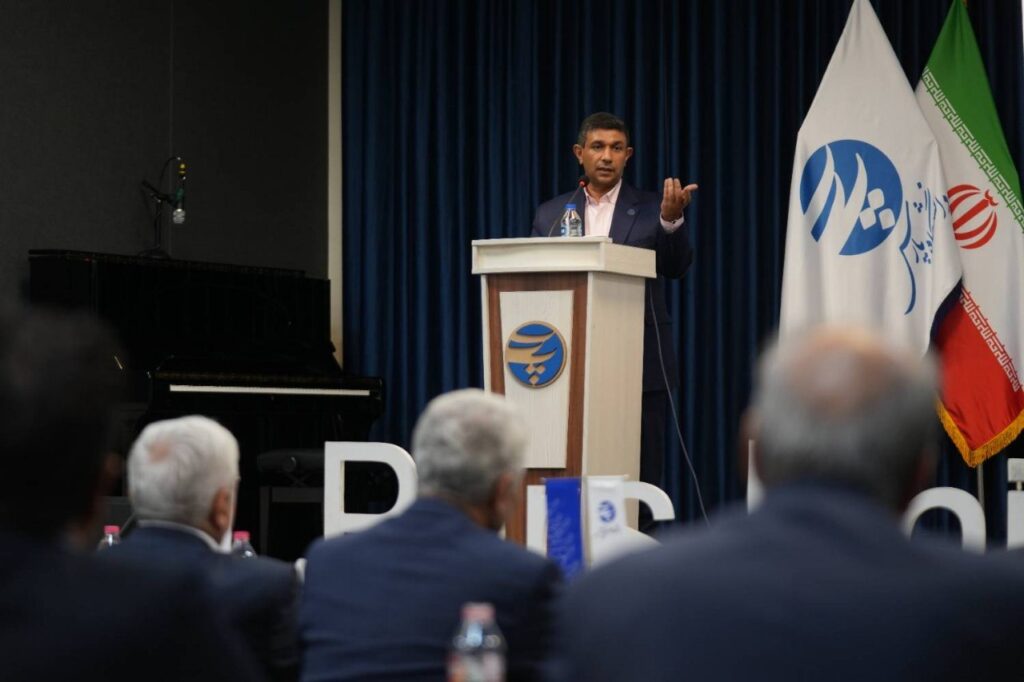
Fartousi: Alamut Reflects Iranian Ingenuity, Knowledge and Civilization
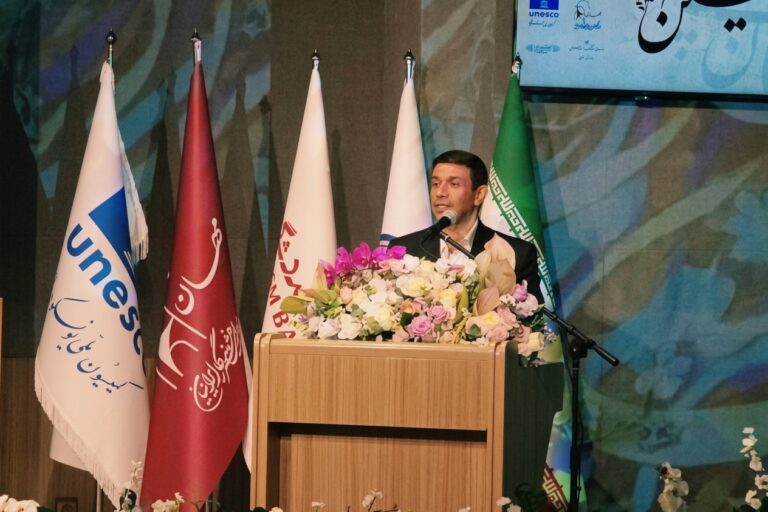
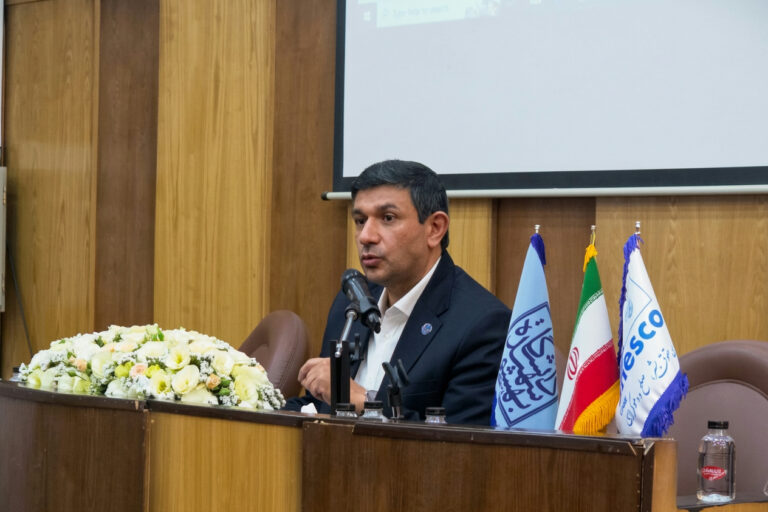
Dr. Hassan Fartousi, Secretary-General of Iran’s National Commission for UNESCO, outlined the criteria for the inscription of Alamut on the UNESCO World Heritage List, stating: “Alamut Castle represents a cultural and civilizational tradition, one of whose defining characteristics is its outstanding masterpiece of human ingenuity and creativity.”
Referring to other outstanding values of the complex, he added that opportunities for the exchange of human values over a period of time, the presence of libraries and numerous scholars at the castle, and its outstanding architectural features were among the other important considerations.
Emphasizing Alamut’s place in the narrative of Iranian civilization, Fartousi noted that Alamut reflects Iranian culture and civilization. He expressed hope that its inscription on the UNESCO World Heritage List would create an opportunity to promote both international and domestic tourism in the region.
Emphasis on the Protection and Promotion of World Heritage
Continuing the proceedings, Ali Darabi, Deputy Minister and Deputy Head of Cultural Heritage at the Ministry of Cultural Heritage, Tourism and Handicrafts, described Alamut’s inscription on the UNESCO World Heritage List as the beginning of a new phase in the protection, promotion, and responsible use of this heritage site. He emphasized the importance of presenting Iran’s historical assets to the world and revisiting the country’s civilizational heritage.
Dr. Mahmoud Golabchi, a distinguished figure in Iranian architecture and Founder of Pars University of Architecture and Art, also highlighted Alamut’s historical significance, drawing attention to features such as its natural fortifications, water and food storage systems, and interior designs.
Alamut’s World Heritage Inscription: An Opportunity and a Responsibility
Alireza Izadi, Director-General for the Registration of Works and the Preservation and Revitalization of Intangible and Natural Heritage at the Ministry of Cultural Heritage, Tourism and Handicrafts, described the inscription of heritage sites on the UNESCO World Heritage List as a means of showcasing Iran’s cultural potential. He emphasized the need to place conservation at the heart of post-inscription policies.
Mohammad Hassan Talebian, Head of the Alamut Castle World Heritage nomination file, also outlined the inscription process, noting that all of Alamut’s values had been addressed in its nomination dossier.
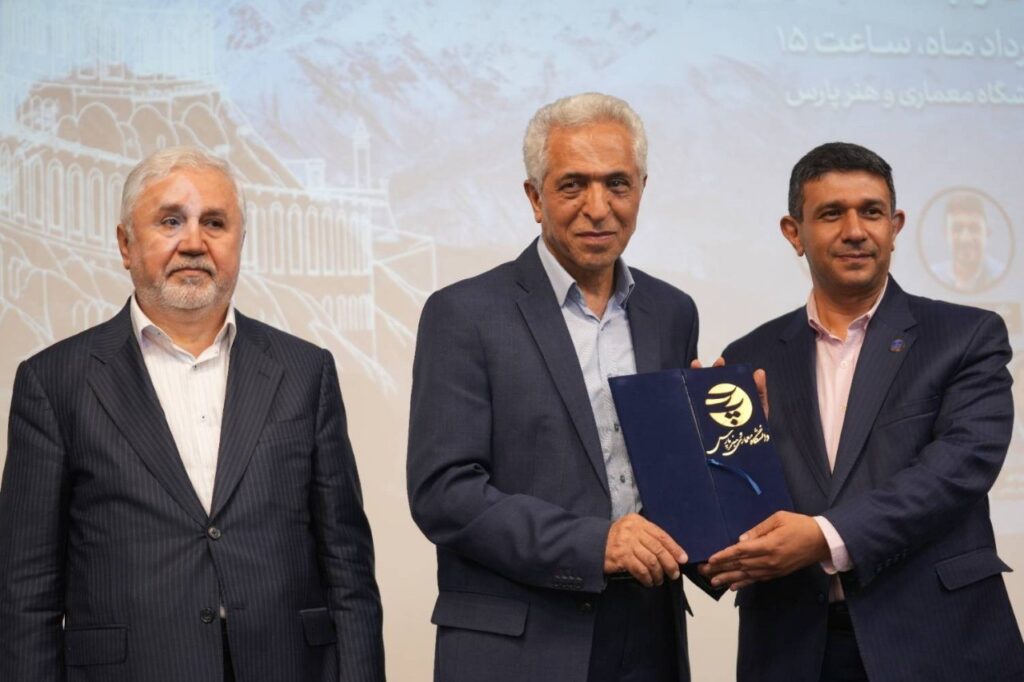
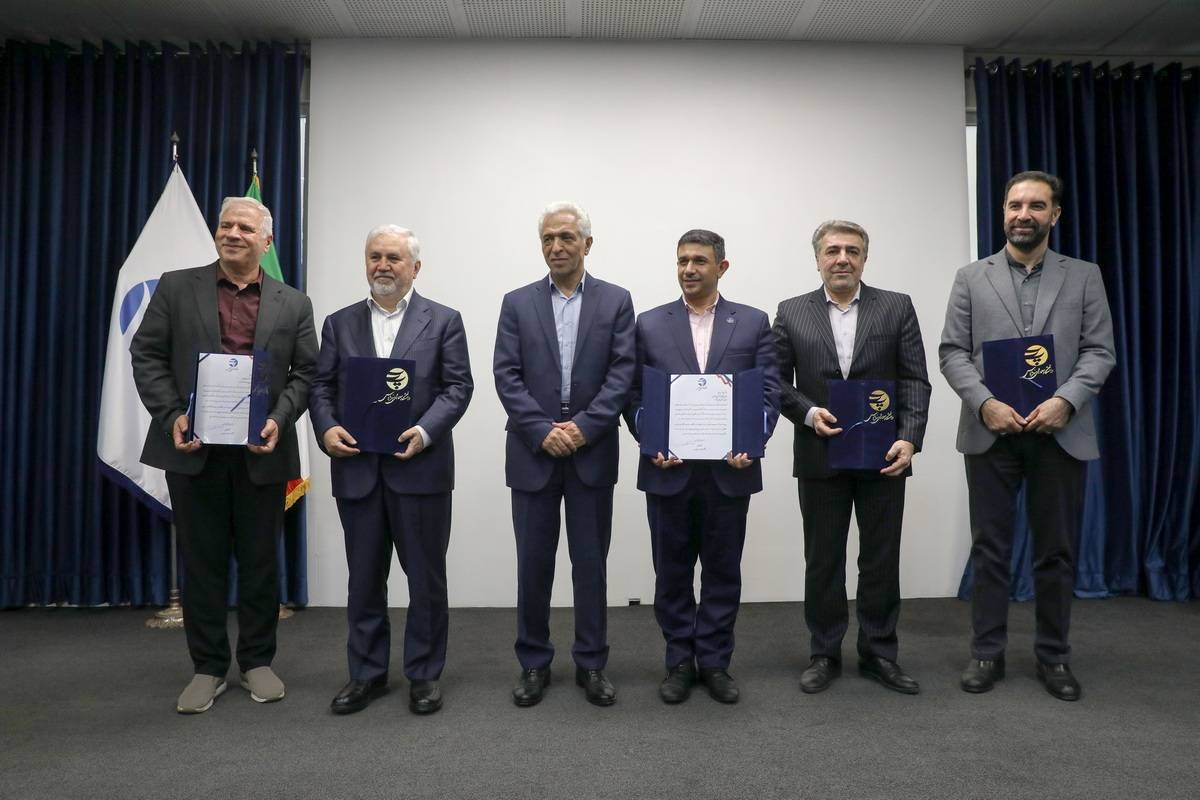
At the end of the ceremony, members of the committee responsible for the World Heritage inscription of Alamut Castle and its associated fortifications were honored with certificates of appreciation.