Dr. Fartousi Highlights the Potential of Iran’s National Commission for UNESCO in Mental Health and Social Capital
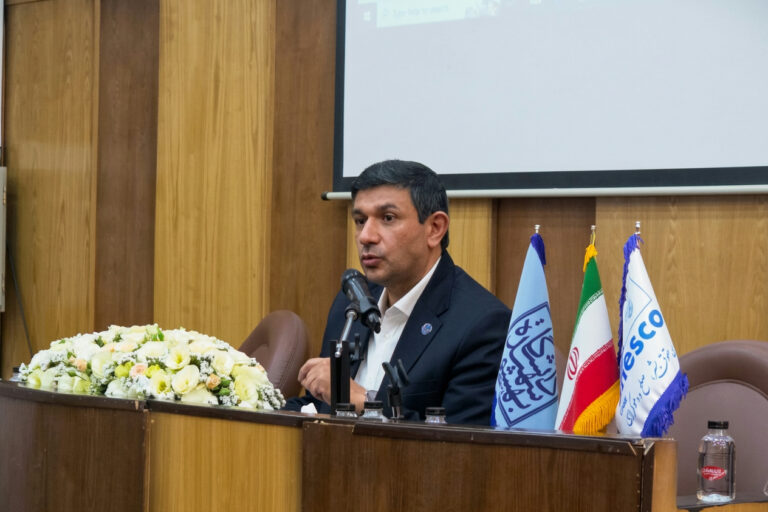
The eleventh session of the national “Iran’s Uprising” campaign was held with the participation of Dr. Hassan Fartousi, Secretary-General of Iran’s National Commission for UNESCO, focusing on the Commission’s scientific and technical capacities in the fields of social and human sciences, mental health, social capital, and social resilience.
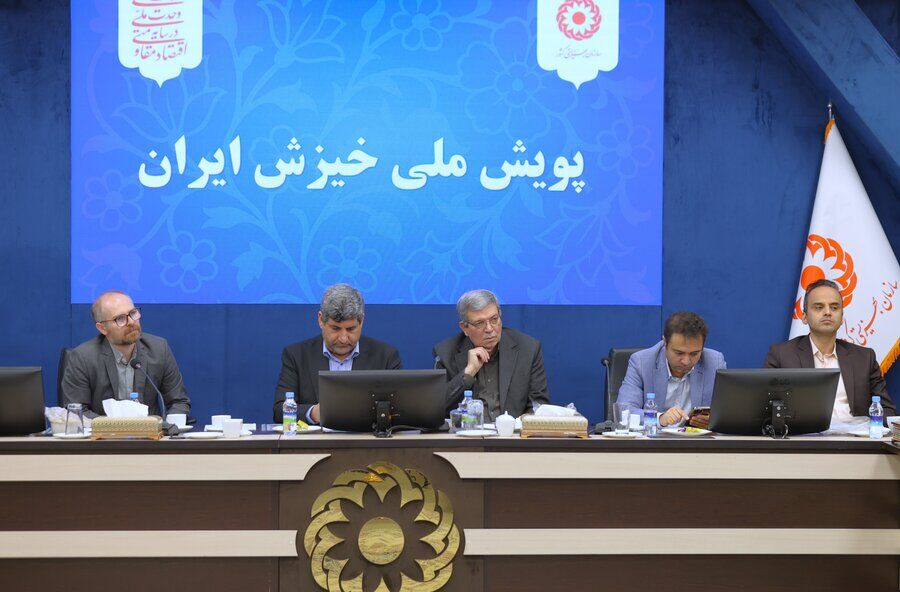
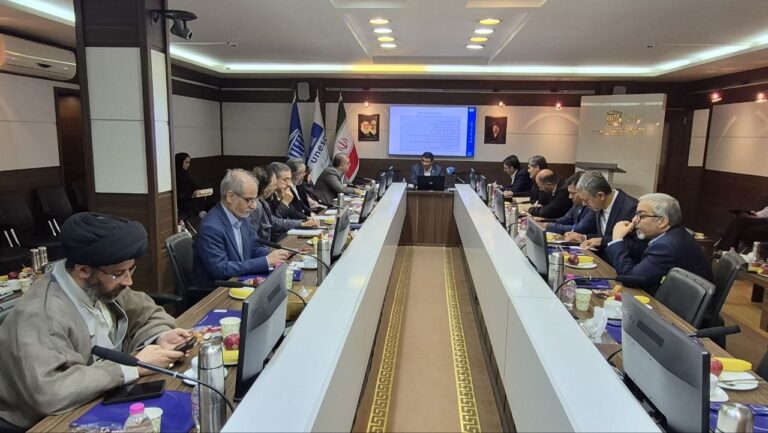
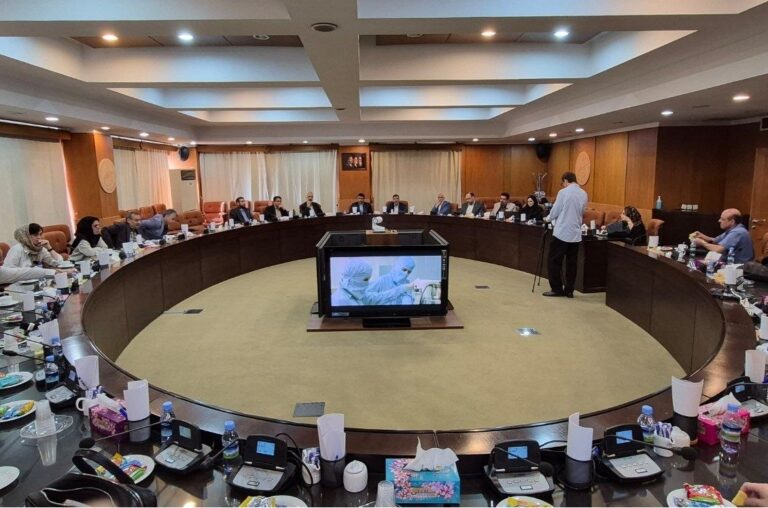
The eleventh session of the national “Iran’s Uprising” campaign was hosted by the State Welfare Organization of Iran and attended and chaired by Dr. Seyed Zia Hashemi, Deputy for Cultural and Social Affairs to the First Vice President and Chair of the National Committee for the Management of Social Transformations (MOST). Representatives of relevant agencies and institutions in the social, cultural, and health sectors also participated in the session.
Dr. Hassan Fartousi, Secretary-General of Iran’s National Commission for UNESCO and Head of the Commission’s Social and Human Sciences Group, attended the session and presented the Commission’s approaches and initiatives in the social and human sciences.
Presenting the Capacities of Iran’s National Commission for UNESCO in the Social and Human Sciences
The session highlighted the capacities of Iran’s National Commission for UNESCO, including the UNESCO Chairs network, universities, national committees, and particularly the National Committee for the Management of Social Transformations (MOST), as platforms for strengthening scientific and inter-institutional cooperation in mental health, social resilience, and the management of the social impacts of crises.
The Commission also expressed its readiness to participate in programs and initiatives related to mental health, social capital, and social resilience. A report was also presented on the Commission’s activities in the field of mental health, particularly during the recent war.
Emphasis on Scientific and Inter-Institutional Cooperation
The session further emphasized the implementation of joint plans and projects with UNESCO and the expansion of scientific, social, and cultural cooperation. The importance of collaboration among scientific, academic, and executive institutions in addressing social issues was also highlighted.
Dr. Seyed Zia Hashemi, referring to reports on the State Welfare Organization’s activities during the war, described the measures taken in the areas of health and social services as the result of planning and capacity-building efforts undertaken before the crisis occurred.
He described the aim of the national campaign “A National Uprising for Iran” as strengthening national authority by enhancing social capital, empathy, public participation, and collective synergy. He also emphasized the need to draw on social experiences gained during crises to develop long-term plans.
Emphasis on Strengthening Social Capital and Resilience
The session also highlighted the need to assess institutional performance and conduct self-evaluations, identify strengths and weaknesses, enhance coordination among institutions, and put forward practical and legislative proposals to consolidate and sustain social activities.
The session concluded with an emphasis on sustaining dialogue and cooperation among relevant institutions and leveraging existing scientific and specialized capacities to promote mental health, strengthen social resilience and social capital, and institutionalize public participation.