Celebrating Intangible Cultural Heritage at Golestan Palace, with an Emphasis on UNESCO Regional Cooperation
| Dr. Hasan Fartousi: Safeguarding Intangible Cultural Heritage Is a Collective Responsibility on the Path to Sustainable Peace |
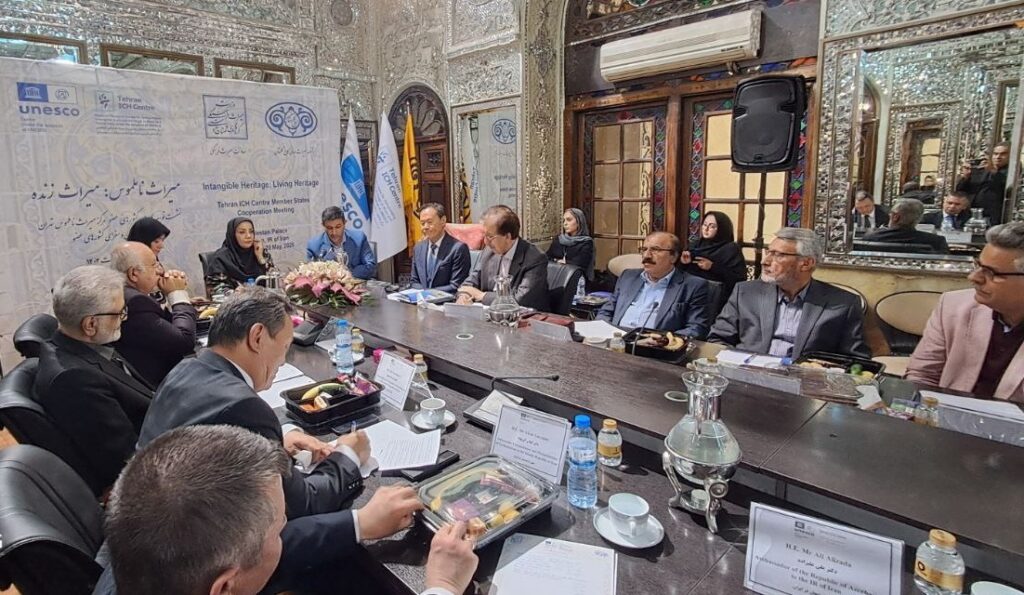
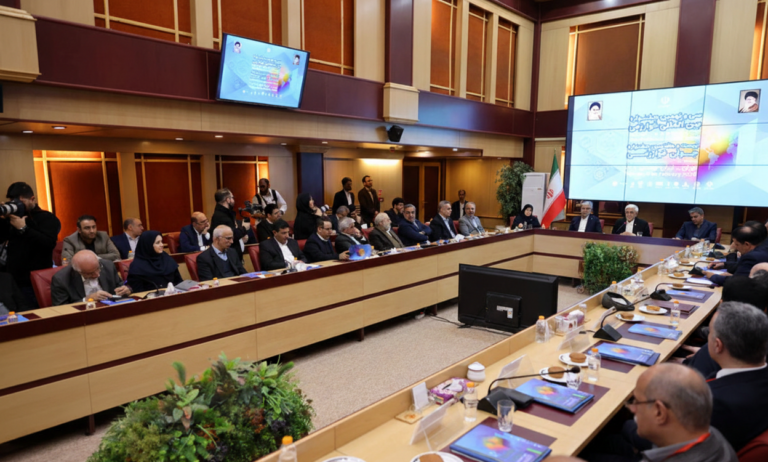
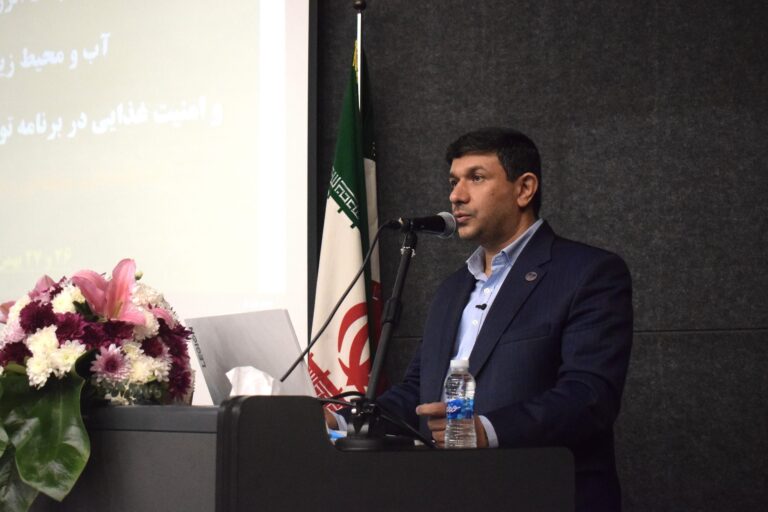
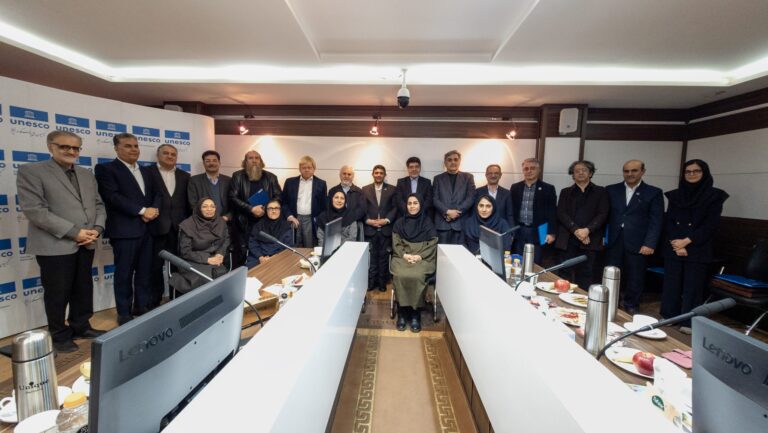
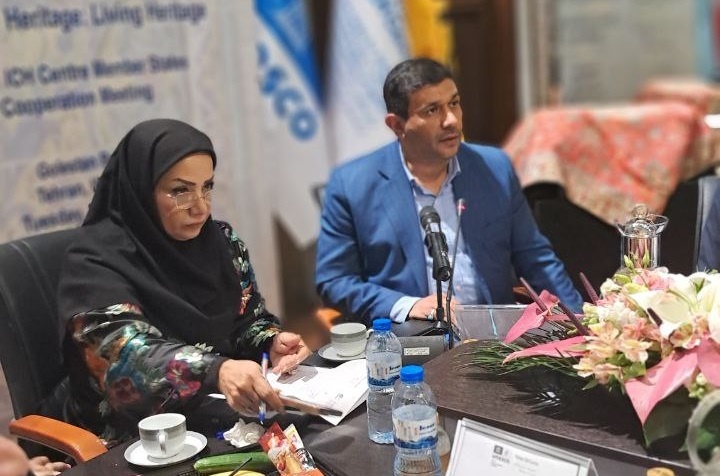
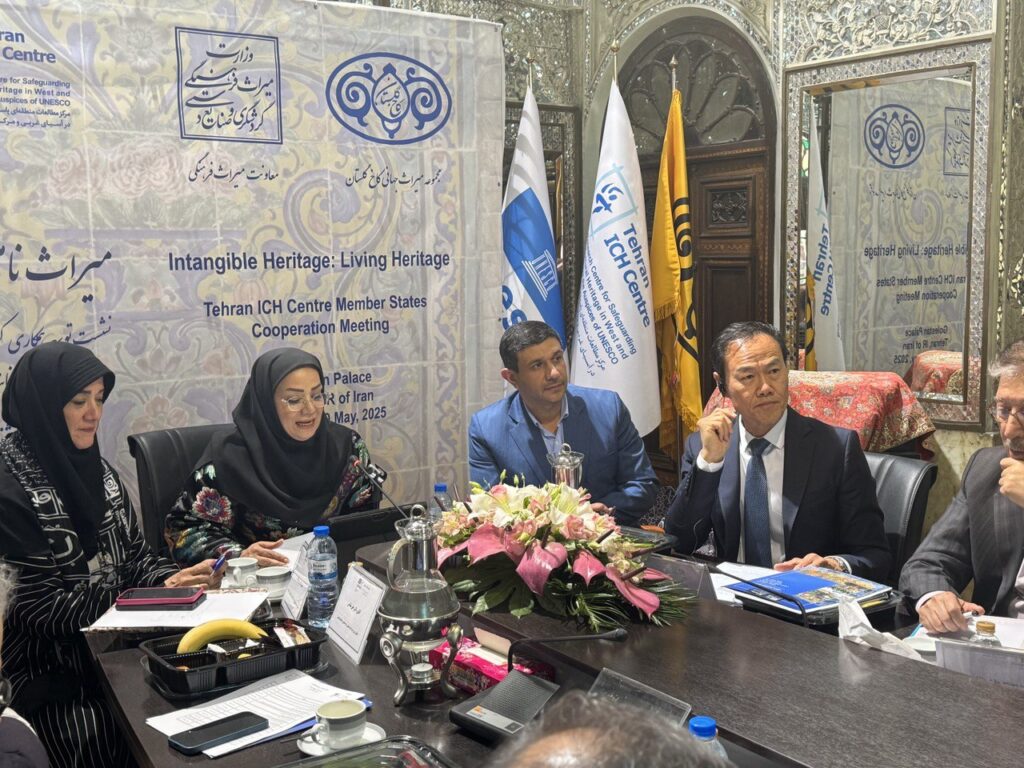
At the symposium “Intangible Heritage, Living Heritage,” held on 20 May 2025 at the Golestan Palace Historic Cultural Complex to mark Intangible Cultural Heritage Day during Cultural Heritage Week, Dr. Hasan Fartousi, Secretary-General of the Iranian National Commission for UNESCO, delivered a comprehensive speech emphasizing the constructive role of regional cooperation and cultural diversity. The event was attended by the Deputy Minister of Cultural Heritage, Tourism and Handicrafts, ministry officials, ambassadors from countries in the region, and cultural experts.
At the beginning of his speech, Dr. Hasan Fartousi expressed his pleasure at being at Golestan Palace during Cultural Heritage Week to mark Intangible Cultural Heritage Day, stating: “I am delighted to be among this distinguished gathering at the beautiful Golestan Palace during Cultural Heritage Week, on the occasion of Intangible Cultural Heritage Day. As a site inscribed on the UNESCO World Heritage List, the palace is also a magnificent embodiment of the history and intangible heritage of the land of Iran.”
The Secretary-General of the Iranian National Commission for UNESCO went on to highlight the global significance of intangible cultural heritage and the efforts of the Islamic Republic of Iran in this field, adding: “Intangible cultural heritage, as one of UNESCO’s more recent areas of focus related to the identity and cultural diversity of nations and grounded in the rights of solidarity, has been on the Organization’s agenda since 2003. By the end of 2024, a total of 730 intangible cultural heritage elements from around the world had been inscribed by UNESCO as part of humanity’s shared heritage, with the Islamic Republic of Iran ranking among the top ten countries on this list, with 26 elements.”
UNESCO and the Shared Responsibility to Safeguard Living Heritage
Emphasizing collective values and global participation in safeguarding intangible cultural heritage, Dr. Fartousi stated: “The inscription of intangible heritage elements is a valuable step towards safeguarding living heritage in an interactive environment, founded on shared responsibility and respect for the diversity of expressions and the rights of the communities and individuals who bear this heritage.”
He also highlighted Iran’s role in hosting one of UNESCO’s important centres, stating: “The Regional Centre for the Safeguarding of Intangible Cultural Heritage in West and Central Asia is one of UNESCO’s eight Category 2 centres in the field of intangible cultural heritage, and Iran has the honour of hosting it. The Centre provides a suitable platform for regional cooperation through a coherent and forward-looking approach.”
The Need for Fruitful Regional Cooperation
Highlighting the potential for cooperation among the Centre’s Member States, the Secretary-General of the Iranian National Commission for UNESCO stated: “The meeting on developing cooperation among the Member States of the Intangible Cultural Heritage Centre provides an opportunity for collaborative engagement, in accordance with the principles of good faith and non-discrimination, to achieve UNESCO’s cultural objectives. The Centre’s Member States are distinguished by their exceptional cultural diversity, and their synergy plays a key role in the success of joint programs.”
At the conclusion of his speech, Dr. Fartousi expressed his appreciation to the organizers of the symposium, particularly Dr. Momeni and the executive team. He also expressed his hope that the meeting on developing cooperation among the Centre’s Member States would yield fruitful results and that peoples, especially young people in the Member States, would benefit from its outcomes.
Intangible Cultural Heritage: A Foundation for a New Cultural Diplomacy
At the commemorative event, a message from Dr. Ali Darabi, Deputy Minister of Cultural Heritage, Tourism and Handicrafts, was read by Maryam Jalali, the country’s Deputy Minister for Handicrafts and Traditional Arts. Referring to three key themes: “Intangible Heritage as a Common Language of Lived Experiences,” “Shaping Regional Relations around Culture,” and “Rebuilding Trust on the Basis of Shared Regional Memory”, the message stated:
“From oral traditions and traditional skills to rituals of solidarity and indigenous biocultures, our living heritage carries knowledge that is deeply rooted, dynamic and capable of forging connections. This knowledge can become an intercultural language through which nations can not only see one another, but also understand one another and, through mutual understanding, transform their interactions into constructive exchanges of valuable experiences.”
In his message, the Chairperson of the Governing Board of UNESCO’s Regional Research Centre for Safeguarding Intangible Cultural Heritage in West and Central Asia also emphasized:
“The time has come to draw upon our cultural memories to create a new diplomacy founded on compassion, coexistence and mutual understanding; a diplomacy that goes beyond rituals and symbols to engage with cultural policymaking, problem-solving and the management of the future, making culture- and compassion-based governance possible at the earliest opportunity.”
An Invitation to Cultural Dialogue
Atousa Momeni, Director of the Tehran Regional Centre for Intangible Cultural Heritage, also highlighted the importance of culture, stating:
“Today’s world is experiencing a crisis of meaning, and only culture can light the way forward. Our region is a treasure trove of narratives and hidden wisdom that can transcend politics and diplomacy, bringing peace to souls and forging bonds between hearts.”
In conclusion, Momeni described culture as “the only hope for the future” and added:
“Let us bring culture from the margins to the centre and safeguard our living heritage as a voice that deserves to be heard. Let us see differences not as threats, but as opportunities, and regard identities as rivers that converge in the sea of culture.”
It is worth noting that, during the event, the website of the Association of Non-Governmental Organizations, a Persian- and English-language Shahnameh platform, and the book World Heritage in the Hands of Young People were unveiled. The symposium concluded with a visit to the Golestan Palace World Heritage Site.
The symposium was also attended by Dr. Fazeli, university professor and researcher; Mr. Sarang, Head of the UNESCO Office in Tehran; Dr. Mojtahed Shabestari, President of the Iran–Tajikistan Friendship Association; and Dr. Unal Bayov, Ambassador of Kazakhstan to Iran, who also delivered speeches.