Dr. Darabi Highlights the Role of Intangible Cultural Heritage in Dialogue Among Nations / Dr. Fartousi Calls for Strengthening the Regional Role of the UNESCO Intangible Cultural Heritage Center
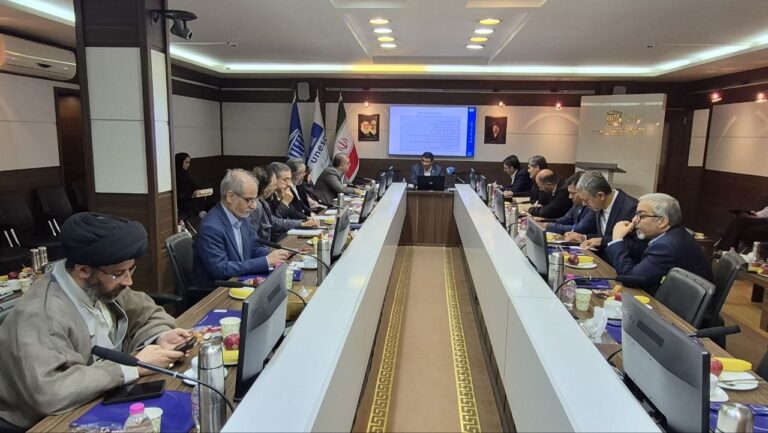
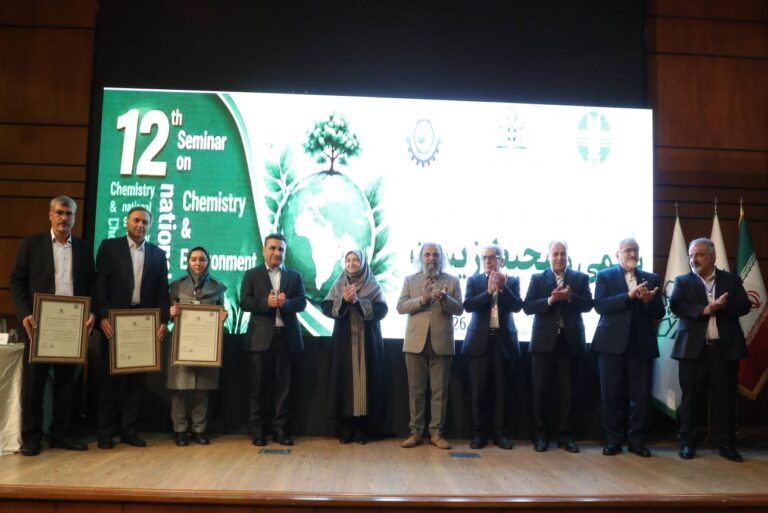
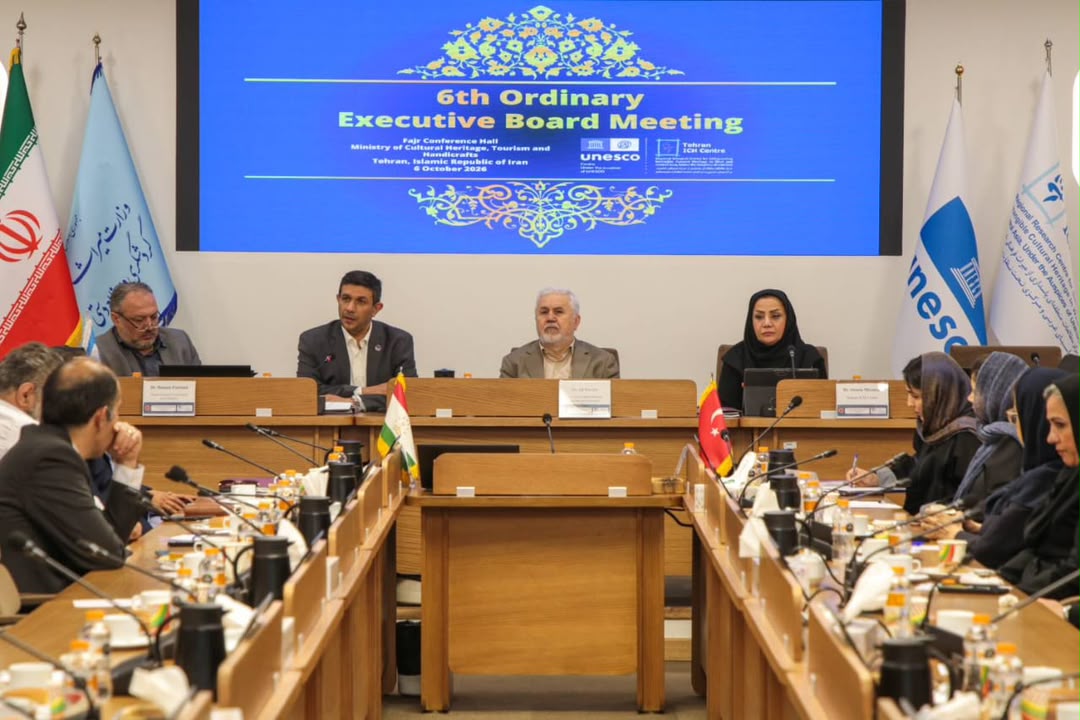
The sixth regular meeting of the Executive Board of the Regional Research Center for Safeguarding Intangible Cultural Heritage in West and Central Asia was held in October 2026 at the Fajr Conference Hall of the Ministry of Cultural Heritage, Tourism and Handicrafts. The meeting reviewed the Center’s performance, proposed programs for 2026 and 2027, and ways to expand regional cooperation.
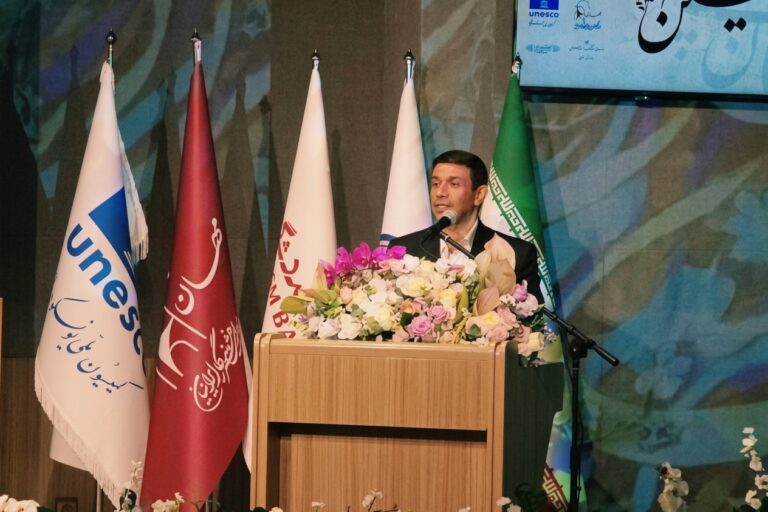
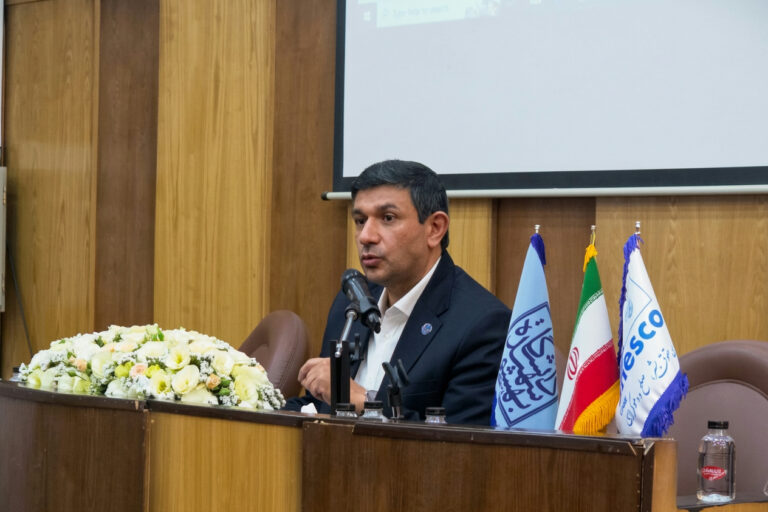
At the meeting, Dr. Ali Darabi, Deputy Minister and Deputy for Cultural Heritage, emphasized the role of intangible cultural heritage in fostering connections among nations, while Dr. Hassan Fartousi, Secretary-General of The Iranian National Commission for UNESCO, called for strengthening the Center’s regional standing and developing impactful operational programs.
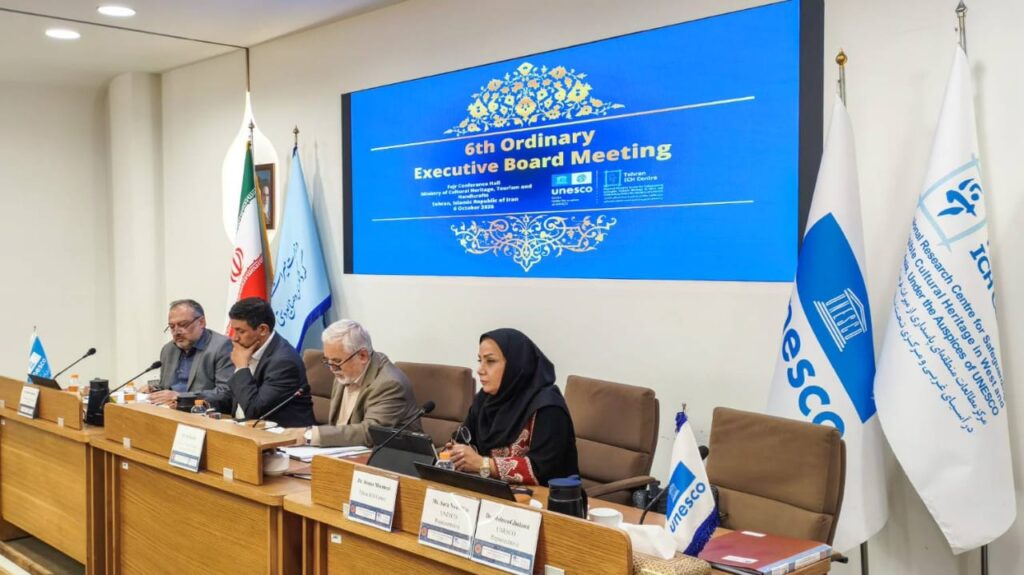
Dr. Ali Darabi, Deputy Minister and Deputy for Cultural Heritage, presented a report at the sixth regular meeting of the Executive Board of the Center, held on October 6, 2026, at the Ministry of Cultural Heritage, Tourism and Handicrafts. The report covered the Center’s activities, the implementation of previous resolutions, and the proposed programs for 2026 and 2027.
Emphasizing the need to sustain cultural and regional cooperation, he stated that culture and humanity’s shared heritage should serve as a basis for dialogue and stronger ties among nations, and that political and military conflicts should not obstruct the fulfilment of shared cultural responsibilities.
Dr. Darabi cited the organization of a specialized workshop on living heritage and museums in Armenia, the implementation of capacity-building courses, the development of connections among regional experts, greater attention to the knowledge and role of women heritage bearers, and the expansion of cultural and scientific cooperation as some of the Center’s key activities.
He also stressed the need to assess programs in line with the needs of Member States, ensure the participation of heritage-bearing communities, facilitate the intergenerational transmission of traditional knowledge and skills, and achieve measurable results.
The Center’s proposed program for 2026 and 2027 also covers topics such as traditional knowledge and healing practices, water-related heritage, food heritage, climate change, and community resilience. Other issues discussed included strengthening the participation of Member States, securing supplementary financial resources, and considering a proposal to extend the terms of office of expert members of the Governing Council, in accordance with the applicable legal provisions.
The Chair of the Governing Council of the Regional Research Center for Safeguarding Intangible Cultural Heritage in West and Central Asia expressed hope that the review of the reports and proposed programs would pave the way for decision-making at the seventh meeting of the Governing Council and help enhance the effectiveness of the Center’s activities.
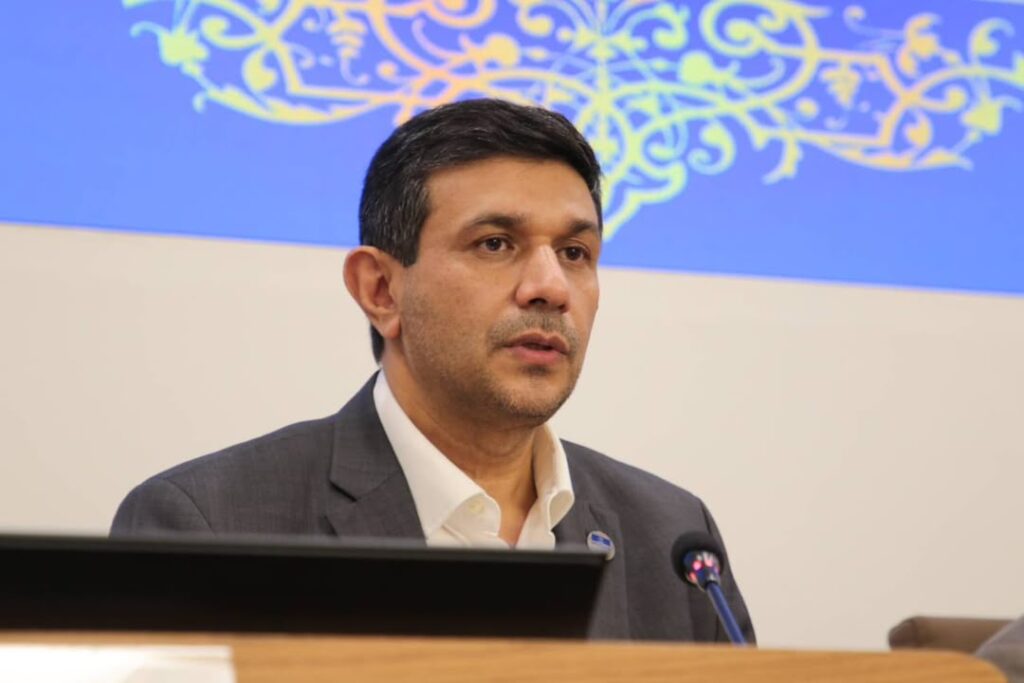
Iran’s Cultural Capacity Should Serve Regional Cooperation
Dr. Hassan Fartousi, Secretary-General of The Iranian National Commission for UNESCO, highlighting the potential of the Regional Research Center for Safeguarding Intangible Cultural Heritage in West and Central Asia, called for strengthening the Center’s regional role, developing impactful programs, and paying greater attention to community resilience, climate change, and the transmission of traditional knowledge and skills.
Referring to the Center’s standing among UNESCO-affiliated international and regional centers, Dr. Fartousi stated: “The Iranian National Commission for UNESCO has eight international and regional centers, only one of which operates in the field of culture and cultural heritage. This makes the Regional Research Center for Safeguarding Intangible Cultural Heritage all the more important.”
He added that the Center provides an opportunity to showcase Iran’s rich cultural and historical heritage and share the country’s experience in safeguarding cultural heritage with countries across the region. In recent times, the region and the country have faced numerous difficulties, while regional security has also encountered various challenges. Under these circumstances, efforts to safeguard the ritual heritage and living heritage of countries in the region, within the framework of UNESCO’s mandate, are particularly important and deserve recognition.
Dr. Fartousi emphasized the need to strengthen the Center’s regional role and called on the Executive Board to facilitate the development and presentation of impactful programs for countries across the region, ensuring that these programs are placed on the agenda with the approval of the Chair of the Board of Trustees and the support of its members.
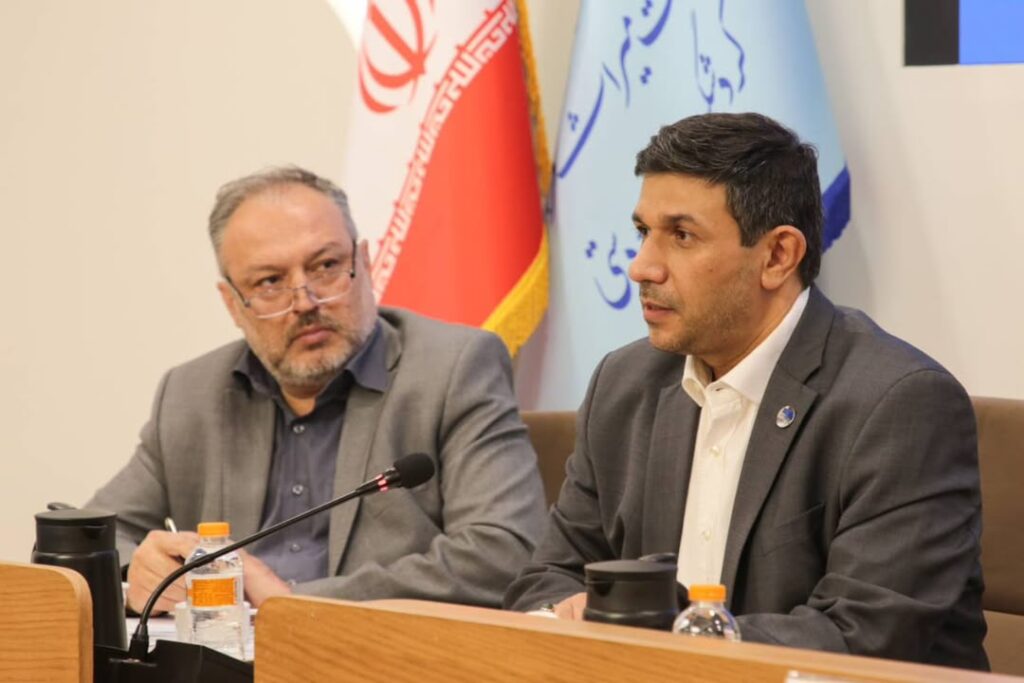
Climate Change and Resilience: Key Priorities Emphasized by the Secretary-General of The Iranian National Commission for UNESCO
The Secretary-General of The Iranian National Commission for UNESCO identified the link between intangible cultural heritage and global challenges, particularly climate change, as another important area of the Center’s work, noting that this issue cannot be overlooked by experts in the field of living heritage.
Referring to the conditions facing countries across the region, including natural hazards and the consequences of war, he underscored the importance of incorporating the concept of resilience into planning for the safeguarding of intangible cultural heritage.
Dr. Fartousi also identified the transmission of traditional knowledge and skills, support for heritage-bearing communities, and stronger links with other UNESCO-affiliated centers as areas that should feature more prominently in the Center’s future programs. Referring to the activities already undertaken in these areas, he stressed the need to translate these approaches into coherent operational programs with the support of the Board of Trustees, so that the Center’s future direction would be clearly defined and its achievements sustained.
Expanding the Participation of National Commissions in the Governing Council
In another part of his remarks, Dr. Fartousi addressed the expansion of participation in the Governing Council and the strengthening of cooperation with UNESCO National Commissions. He noted that a proposal to increase the Council’s membership had also been sent to other National Commissions, some of which had responded positively.
He expressed hope that the continuation of this process and broader participation by Council members would lead to stronger regional cooperation, the exchange of institutional experiences, and greater use of the expertise and capacities of different countries.
In closing, the Secretary-General of The Iranian National Commission for UNESCO emphasized the need for the Executive Board and the Board of Trustees to work together in supporting the Center’s programs and creating the conditions for implementing impactful initiatives to safeguard intangible cultural heritage.
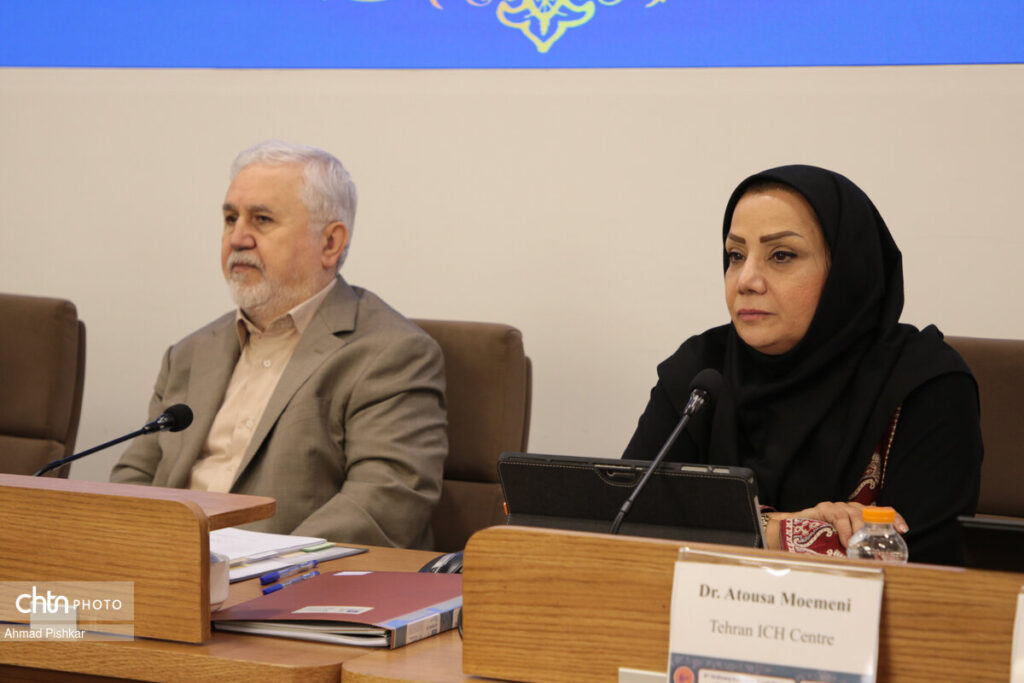
Developing Joint Programs to Safeguard the Region’s Living Heritage
Dr. Atousa Momeni, Head of the Regional Research Center for Safeguarding Intangible Cultural Heritage in West and Central Asia, presented a report on the Center’s activities during the previous period and emphasized the continuation of regional cooperation, the expansion of training and specialized capacity-building programs, and the development of joint programs for 2026 and 2027.
She identified indigenous knowledge, traditional health-related practices, water-related heritage and knowledge, and food heritage as key areas of the Center’s future programs. She also announced plans for three specialized training programs in Kazakhstan, Uzbekistan, and Iran to strengthen professional capacities and facilitate the exchange of experience. Dr. Momeni further emphasized the importance of translating training and regional cooperation into practical and sustainable capacities.
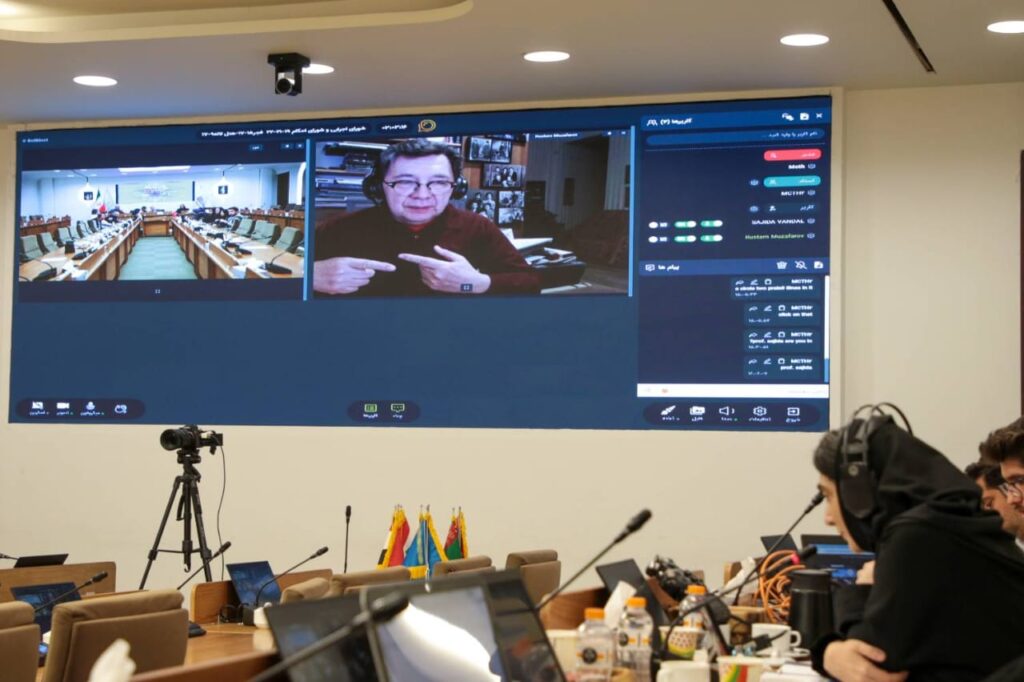
UNESCO Emphasizes Support for Heritage-Bearing Communities
In a message from Anna Paolini, Head of the UNESCO Office in the Islamic Republic of Iran, the need to strengthen regional cooperation, support heritage-bearing communities, and enhance cultural resilience in the face of the consequences of armed conflicts was emphasized.
The message underscored that safeguarding intangible cultural heritage requires supporting the people, knowledge, skills, and social ties that make it possible to sustain traditions and transmit them to future generations. Paolini also reaffirmed UNESCO’s readiness to continue supporting the Tehran Regional Center and expand cross-border cooperation.
At the conclusion of the meeting, representatives of Turkey, Kazakhstan, and India expressed their support for the activities of the Tehran Intangible Cultural Heritage Center and emphasized the importance of Iran’s continued management of the Center to ensure continuity in planning and the achievement of its established objectives.