Dr. Salehi-Amiri in a Message Marking the Opening of the Seventh Meeting of the Governing Council of the Tehran Intangible Cultural Heritage Center: Safeguarding Intangible Cultural Heritage Protects the Identity of Nations and Invests in Peace and Sustainable Development
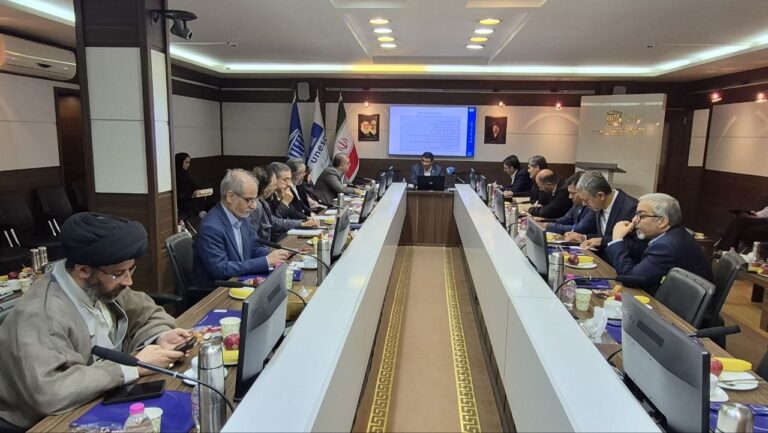
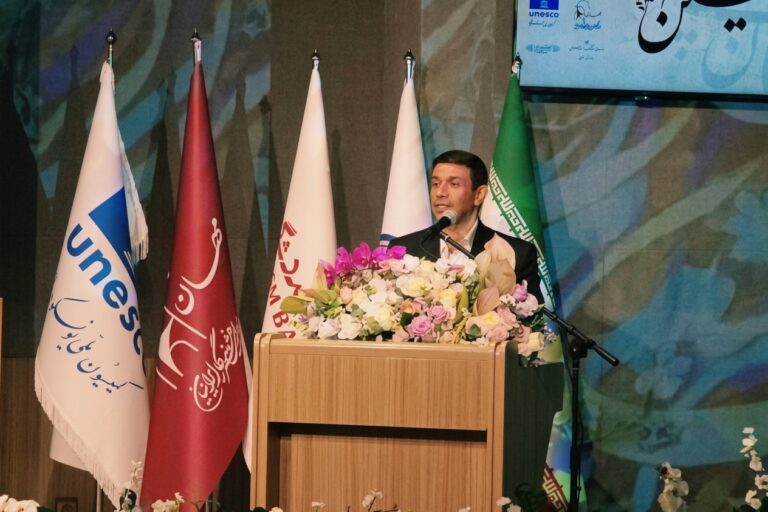
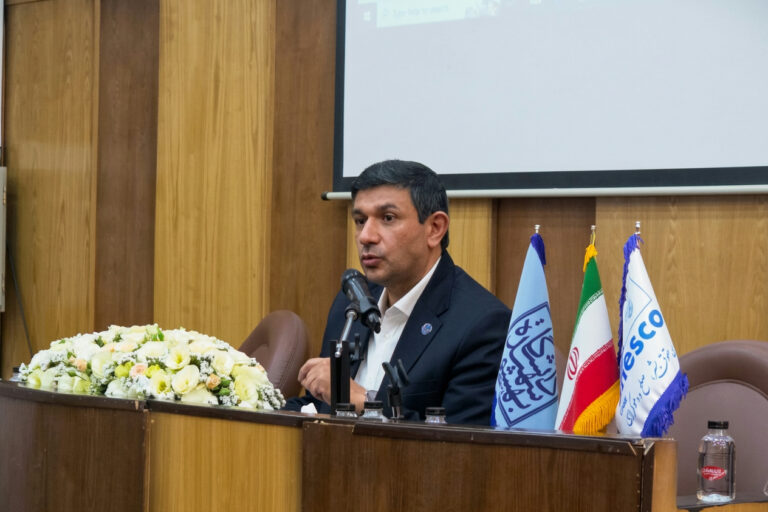
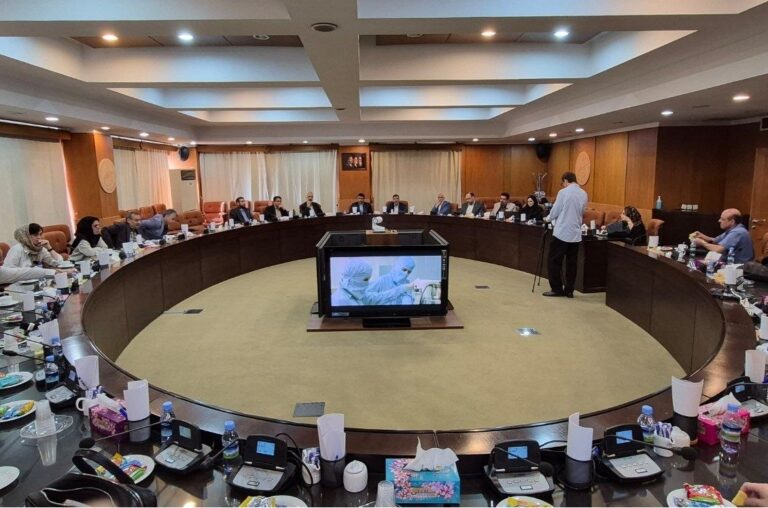
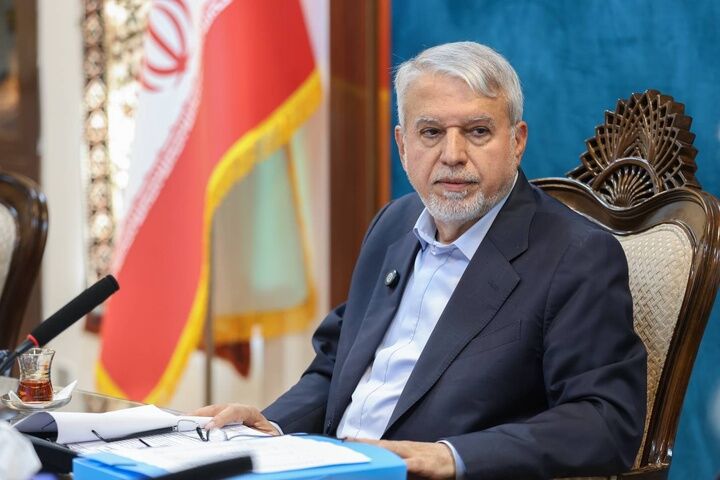
In a message marking the opening of the seventh regular meeting of the Governing Council of the Tehran Intangible Cultural Heritage Center, which was read out during the ceremony, Dr. Seyed Reza Salehi-Amiri, Minister of Cultural Heritage, Tourism and Handicrafts, highlighted the fundamental role of living heritage in the cultural life of communities. He described safeguarding this heritage as a shared responsibility towards past, present and future generations, and stressed the need to strengthen regional and international cooperation within the framework of the 2003 UNESCO Convention.
According to the Public Relations Office of The Iranian National Commission for UNESCO, quoting the Heritage of Iran News Agency (Miras-e Arya), Dr. Salehi-Amiri stated in his message that while civilizations are known through their monuments and works, they endure through the living culture of their people. He noted: “What remains of a nation throughout history is its knowledge, experience, rituals, skills and ways of life, which take root in collective memory and are passed down from one generation to the next.”
He described intangible cultural heritage as a living expression of the historical continuity of nations, bringing the past into the present and enabling future generations to recognize their identity in an ever-changing world.
The Minister of Cultural Heritage, Tourism and Handicrafts noted that the seventh meeting of the Governing Council of the Tehran Intangible Cultural Heritage Center coincided with World Intangible Cultural Heritage Day. He described the occasion as an opportunity to raise public awareness, honor heritage-bearing communities, and strengthen countries’ shared responsibility for safeguarding living traditions and knowledge. He also expressed appreciation for the United Nations Educational, Scientific and Cultural Organization (UNESCO) for its commitment to enhancing the status of intangible cultural heritage.
Living Heritage: An Asset for Social Resilience in Times of Crisis
In another part of his message, Dr. Salehi-Amiri described intangible cultural heritage as more than a collection of historical narratives and cultural expressions, emphasizing that living heritage is a manifestation of nations’ cultural richness in times of peace, but becomes a source of resilience and continuity in community life during times of crisis.
Referring to the impacts of war, insecurity and natural hazards on communities, he added: “Under such circumstances, it is not only physical infrastructure that is damaged; social ties, the sense of belonging and people’s confidence in the continuity of life are also put to the test. In these situations, cultural memory, indigenous knowledge, collective rituals and living traditions can play a role in restoring trust, strengthening solidarity and sustaining community life.”
Referring to the experience of recent months and the damage inflicted on the country’s infrastructure, the Minister of Cultural Heritage emphasized that safeguarding cultural heritage remains a priority for the Islamic Republic of Iran, even under difficult circumstances and during times of crisis.
He noted that culture is not a peripheral concern in times of crisis, but rather one of the foundations of resilience and the renewal of social life. Accordingly, activities related to the identification and documentation of intangible cultural heritage, specialized training, and national and international cooperation have continued. By adjusting its programs, adopting hybrid approaches and maintaining professional networks, the Tehran Intangible Cultural Heritage Center has also sought to continue fulfilling its regional responsibilities.
Cultural Diversity: A Foundation for National Cohesion and a Shared Capacity for Dialogue Among Nations
Referring to Iran’s long civilizational history, Dr. Salehi-Amiri described the country as an example of the coexistence of cultural diversity and a shared sense of national belonging. He stated: “The languages, dialects, rituals, traditions, arts, skills and bodies of knowledge that the people of this land have cultivated over the centuries are diverse expressions of a continuous cultural life.”
Emphasizing that national cohesion does not arise from denying differences, he stated: “Lasting cohesion is built by recognizing cultural diversity and strengthening a sense of belonging to a shared destiny.”
The Minister of Cultural Heritage went on to cite Nowruz, Yalda, Ta’zieh, Naqqali, and traditional knowledge and skills associated with the construction and navigation of lenj vessels as examples of Iran’s living heritage. He added: “Nowruz carries a message of renewal and hope beyond political borders; Yalda sustains intergenerational bonds, togetherness and a wise way of living in harmony with nature; and Ta’zieh and Naqqali preserve narratives and meaning in collective memory. The traditional knowledge of coastal communities, meanwhile, is the product of historical experience and human interaction with the sea and nature.”
He emphasized that, alongside safeguarding national identities, intangible cultural heritage offers valuable opportunities for mutual understanding, dialogue and cooperation among nations. This potential can help build trust, foster cultural understanding, and strengthen the foundations of peace and sustainable development.
The Tehran Intangible Cultural Heritage Center: A Platform for Scientific Synergy and Regional Cooperation
In another part of his message, Dr. Salehi-Amiri described the Tehran Intangible Cultural Heritage Center, as one of the regional centers under UNESCO’s auspices, as holding a valuable position in strengthening specialized cooperation and supporting the implementation of the 2003 Convention.
He identified the development of specialized capacities, facilitation of knowledge and experience exchange, and strengthening of cooperation among West and Central Asian countries as key missions of the Center. He emphasized: “The importance of this mission extends beyond holding meetings and implementing training programs. The Tehran Center must become a hub for regional dialogue, connecting scientific and technical capacities, and fostering lasting cooperation among Member States.”
Referring to the ancient civilizations, diverse cultures and historical ties of West and Central Asia, the Minister of Cultural Heritage noted: “Each nation has its own distinct identity and responsibilities, but living heritage offers shared opportunities for mutual understanding, dialogue and cooperation.”
Indigenous Knowledge, Resource Management and Climate Resilience at the Heart of Future Programs
Referring to the Center’s 2026–2027 Action Plan, Dr. Salehi-Amiri identified indigenous knowledge related to water, traditional resource management systems, traditional health and healing knowledge and practices, food heritage and indigenous food systems, and the role of living heritage in climate adaptation and strengthening resilience as key areas of focus for the years ahead.
Emphasizing that these areas represent far more than a collection of historical traditions, he stated: “This heritage embodies the knowledge and experience of communities that, over generations, have developed ways of interacting with nature, managing resources and sustaining their livelihoods.”
The Minister of Cultural Heritage also announced plans for three specialized capacity-building programs in the Islamic Republic of Iran, the Republic of Kazakhstan and the Republic of Uzbekistan, describing this approach as a reflection of the Center’s commitment to expanding educational opportunities and strengthening regional cooperation.
He emphasized: “In assessing these programs, the actual needs of communities, the effective participation of Member States, and the possibility of evaluating outcomes must be central to decision-making. The success of a center cannot be measured by the number of activities it carries out; the key criterion is the extent to which it strengthens countries’ capacities to safeguard living heritage.”
Dr. Salehi-Amiri went on to describe the training of specialized personnel and the strengthening of scientific and research capacities as undeniable necessities. He also identified periodic reporting under the 2003 Convention as one of the countries’ formal responsibilities.
He stated: “Through the development of specialized training programs and the linking of regional capacities, the Tehran Center can play an effective role in supporting countries in fulfilling their reporting obligations accurately and advancing UNESCO’s priorities.”
Realistic Performance Assessment: A Prerequisite for Sound Future Planning
The Minister of Cultural Heritage, Tourism and Handicrafts stressed the need for a thorough assessment of the Center’s performance, calling for a transparent review of the extent to which the previous meeting’s resolutions had been implemented, as well as its achievements, operational constraints and postponed activities. He emphasized that future planning would be credible only if it were based on a realistic understanding of past performance.
Referring to programs implemented during the recent period, including participation in specialized meetings related to the 2003 Convention, educational and regional capacity-building activities, and efforts to advance programs concerning women heritage bearers, he emphasized that the continuation of these activities must go hand in hand with the evaluation of results, identification of obstacles and use of lessons learned.
In conclusion, Dr. Salehi-Amiri described the participation of representatives from countries across the region and UNESCO partners in the meeting as a sign of their shared commitment to safeguarding living heritage and strengthening cultural ties among nations. He also reaffirmed the support of the Government of the Islamic Republic of Iran and the Ministry of Cultural Heritage, Tourism and Handicrafts for the Tehran Center’s regional mission.
He expressed hope that the decisions of the seventh meeting of the Governing Council, grounded in collective wisdom, expert insight and a forward-looking vision, would help strengthen international cooperation, foster solidarity and consolidate peace among the peoples of West and Central Asia.