

Emphasis on Cultural Diplomacy and Regional Engagement at UNESCO
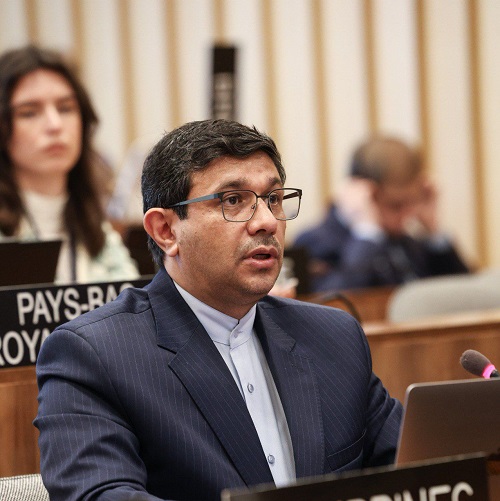
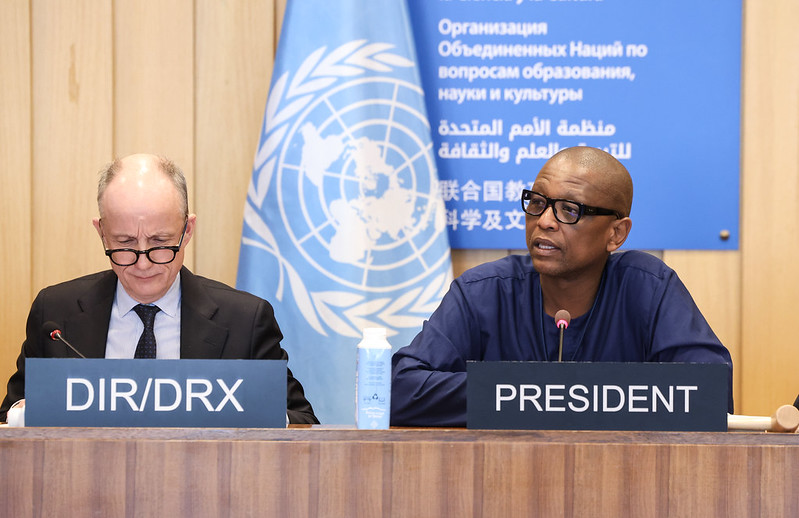
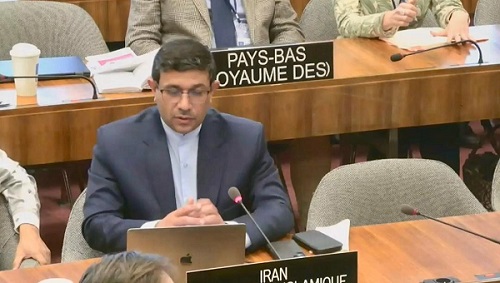
Statement by Dr Hasan Fartousi, Secretary-General of the Iranian National Commission for UNESCO, at the Global Meeting of National Commissions; Paris, April 2025 During the traditional meeting of UNESCO National Commissions, held at UNESCO Headquarters alongside the 221st session of the Organization’s Executive Board, Dr. Hasan Fartousi, Secretary-General of the Iranian National Commission for UNESCO, delivered a strategic statement emphasizing the key role of regional engagement, network-based cooperation and the promotion of cultural diplomacy as essential pillars for achieving UNESCO’s objectives. |
Reflecting Iranian Culture on the Global UNESCO Stage
Dr. Fartousi expressed his appreciation to UNESCO for organizing the annual meeting of National Commissions, describing the gathering as a valuable opportunity for exchanging experiences and fostering constructive dialogue among representatives of different countries. Referring to the importance of face-to-face interactions, he emphasized that regional engagement is far more effective than formal correspondence and plays an important role in advancing global cooperation.
Referring also to Iran’s ancient civilization, he stated that, as the birthplace of one of the world’s oldest civilizations, Iran has always remained committed to advancing UNESCO’s objectives within the framework of its national cultural, educational and scientific priorities.
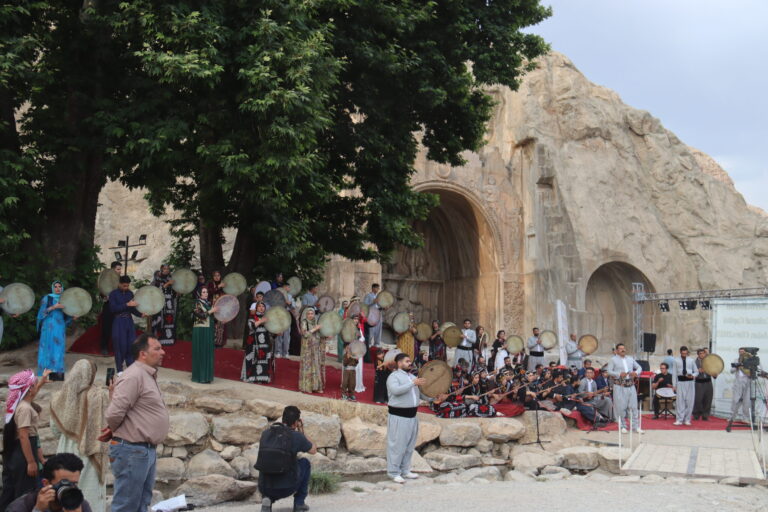
He also spoke of the ongoing efforts of the Iranian National Commission for UNESCO to establish effective links between domestic institutions and the global UNESCO family, citing initiatives such as the meeting of UNESCO Chairs and the commemorative events for Nowruz and Iftar as examples of Iran’s cultural diplomacy.
Regional Programs in Iran: From Creative Cities to Hosting Meetings of Secretaries-General
The Secretary-General of the Iranian National Commission for UNESCO went on to speak of Iran’s strong support for UNESCO’s Creative Cities and Learning Cities networks, emphasizing that these forms of engagement are effective tools for promoting innovation, intercultural dialogue and lifelong learning.
He also announced Iran’s plan to host a regional meeting of the Secretaries-General of National Commissions in September 2025, describing the initiative as a step towards strengthening regional synergies in addressing global and regional challenges.
Global Meeting of National Commissions: Reviewing Education and Cultural Initiatives
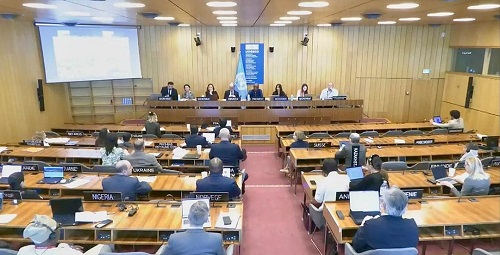
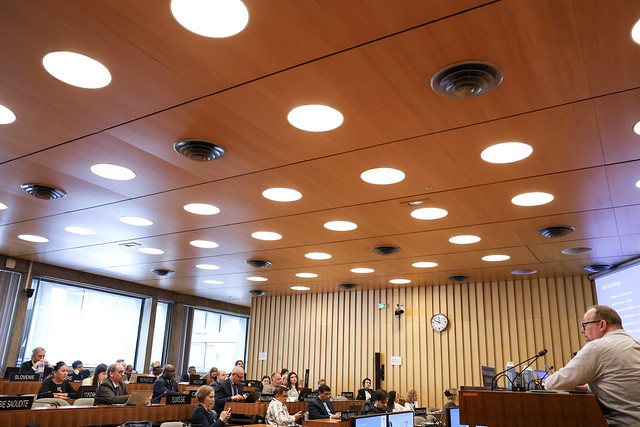
The traditional meeting of National Commissions was held on 7 and 8 April 2025, bringing together 150 representatives from around the world in both in-person and online formats. The event addressed topics including education for peace, the implementation of the Recommendation on Education for Peace, Human Rights and Sustainable Development, as well as preparations for MONDIACULT 2025.
On the first day, Ms. Stefania Giannini, Assistant Director-General for Education at UNESCO, introduced the Flagship for Peace initiative, which focuses on building educational capacities to achieve lasting peace. Ernesto Ottone, Assistant Director-General for Culture at UNESCO, also spoke about the Global Culture Program in 2025 and the key role of culture in sustainable development.
On the second day, the focus was on young people and the future of education. Reports on the first UNESCO Global Youth Forum and preparations for the fourteenth Youth Forum in Samarkand were presented.
Networking and Learning from Experience at the Heart of UNESCO
During the final part of the meeting, the experiences of countries including Poland, the United Kingdom and Switzerland in the fields of human rights, scholarships, information technology and cultural engagement were shared. New platforms and programs aimed at strengthening communication among National Commissions were also introduced.
The meeting concluded with an emphasis on the need to continue cooperation and expand communication among National Commissions and other international stakeholders, a message that was also repeatedly reflected in Dr. Fartousi’s statement.