

Emphasis on Expanding Scientific Cooperation between Iran and Iraq in Water and Sustainable Land Management
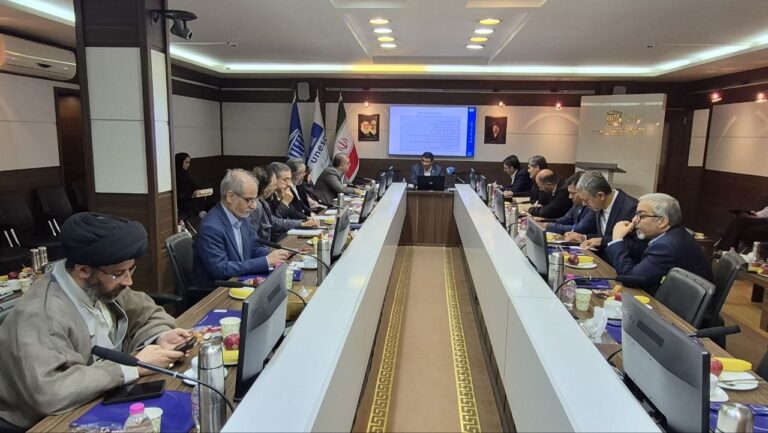
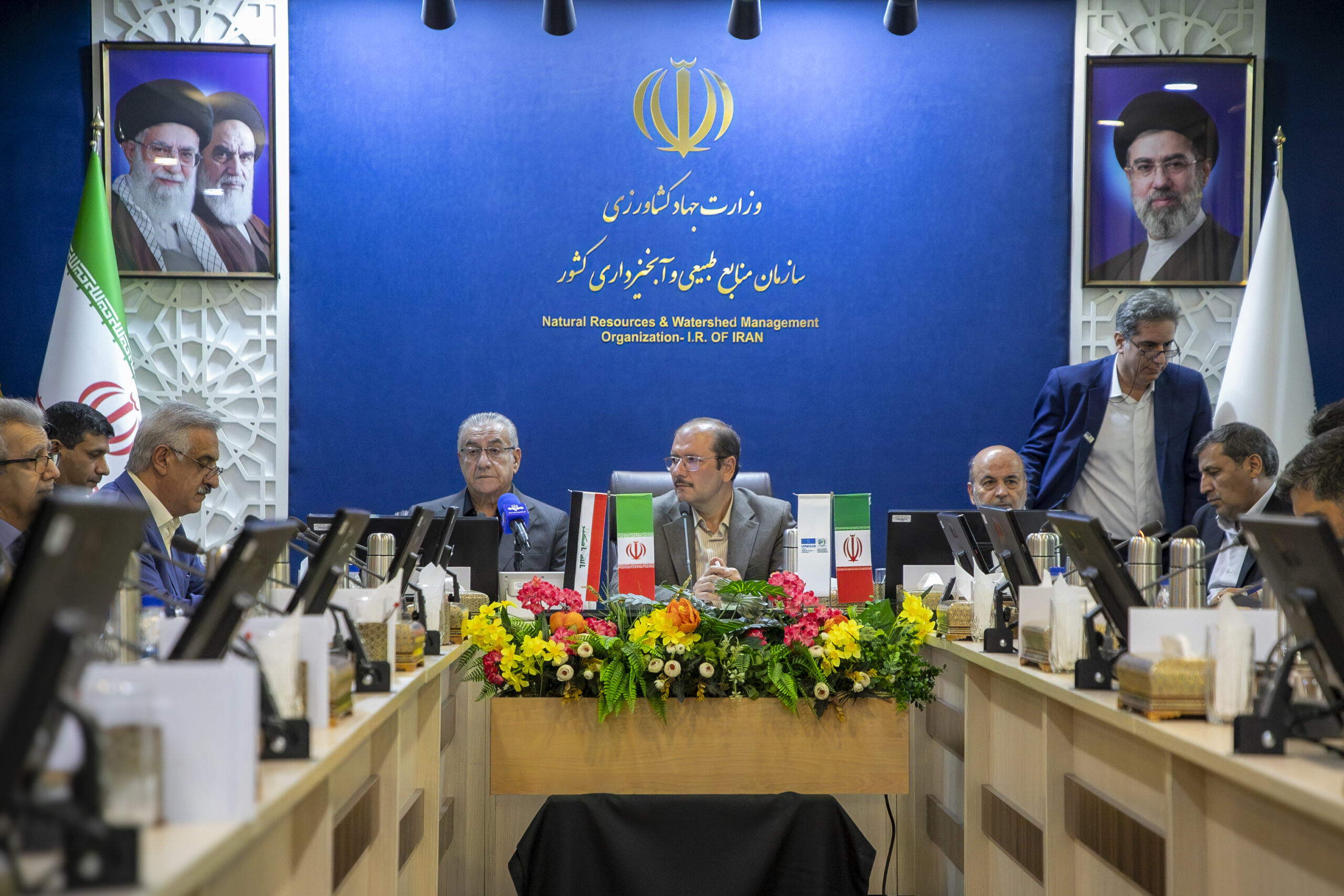
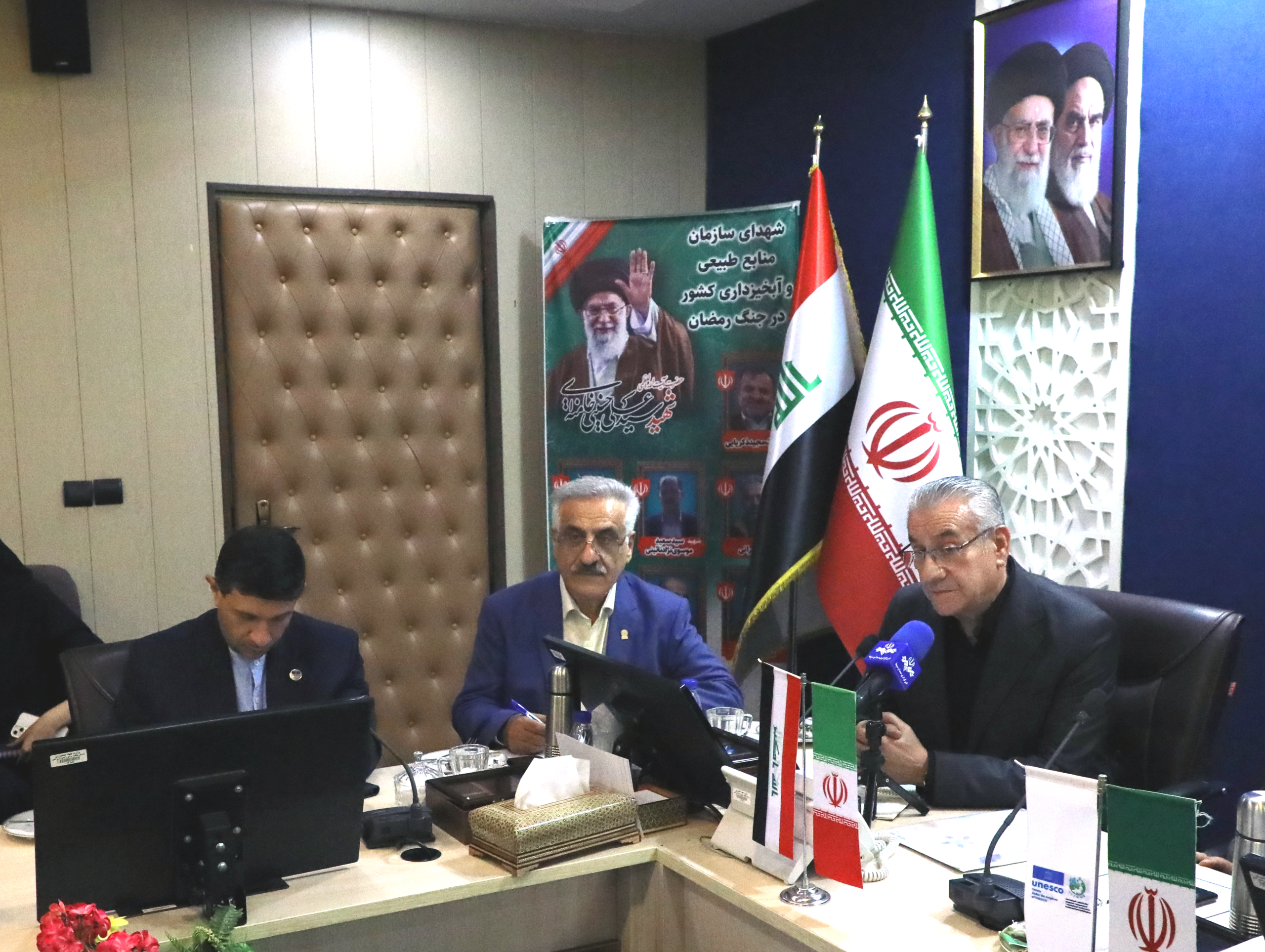
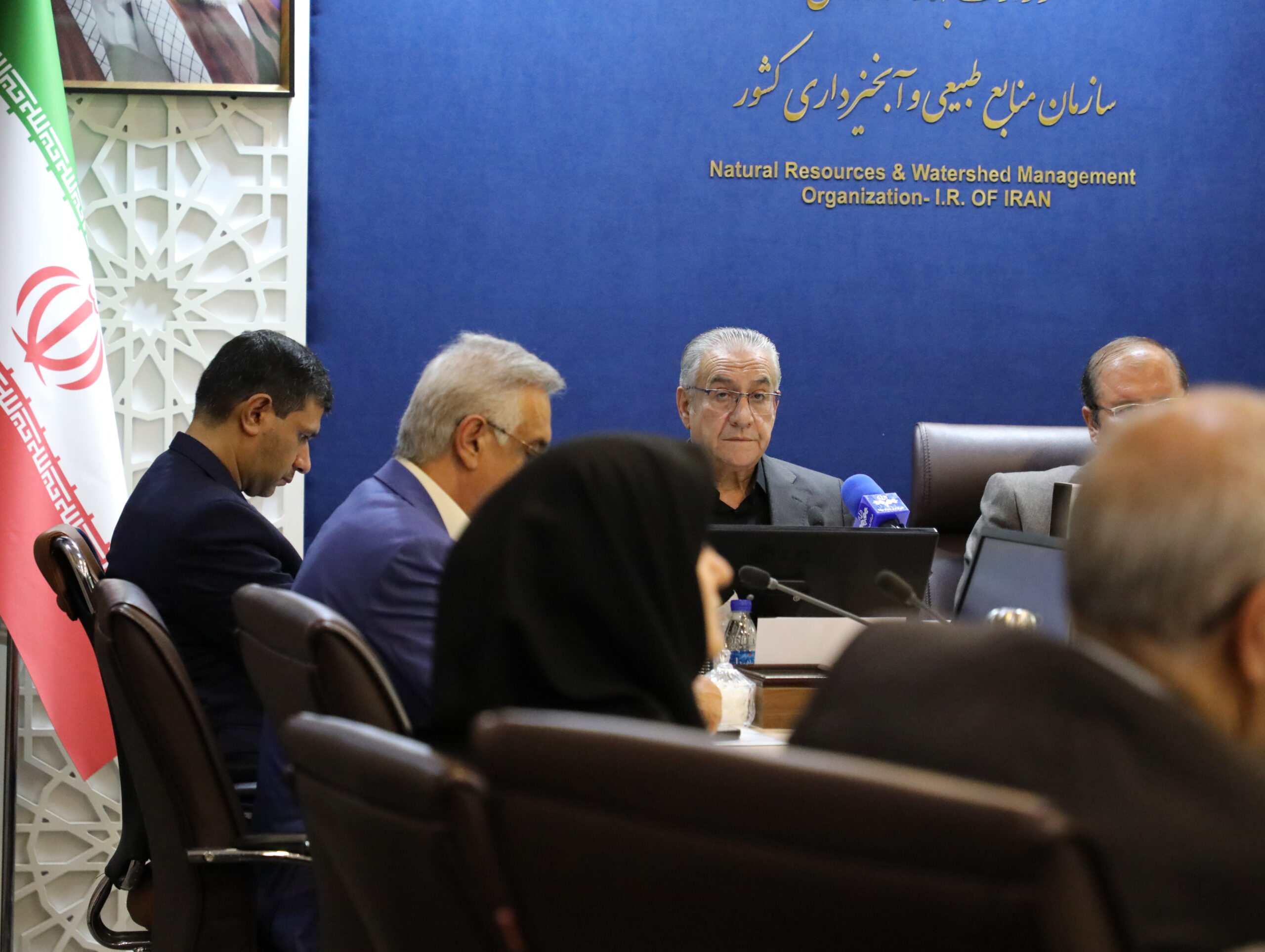
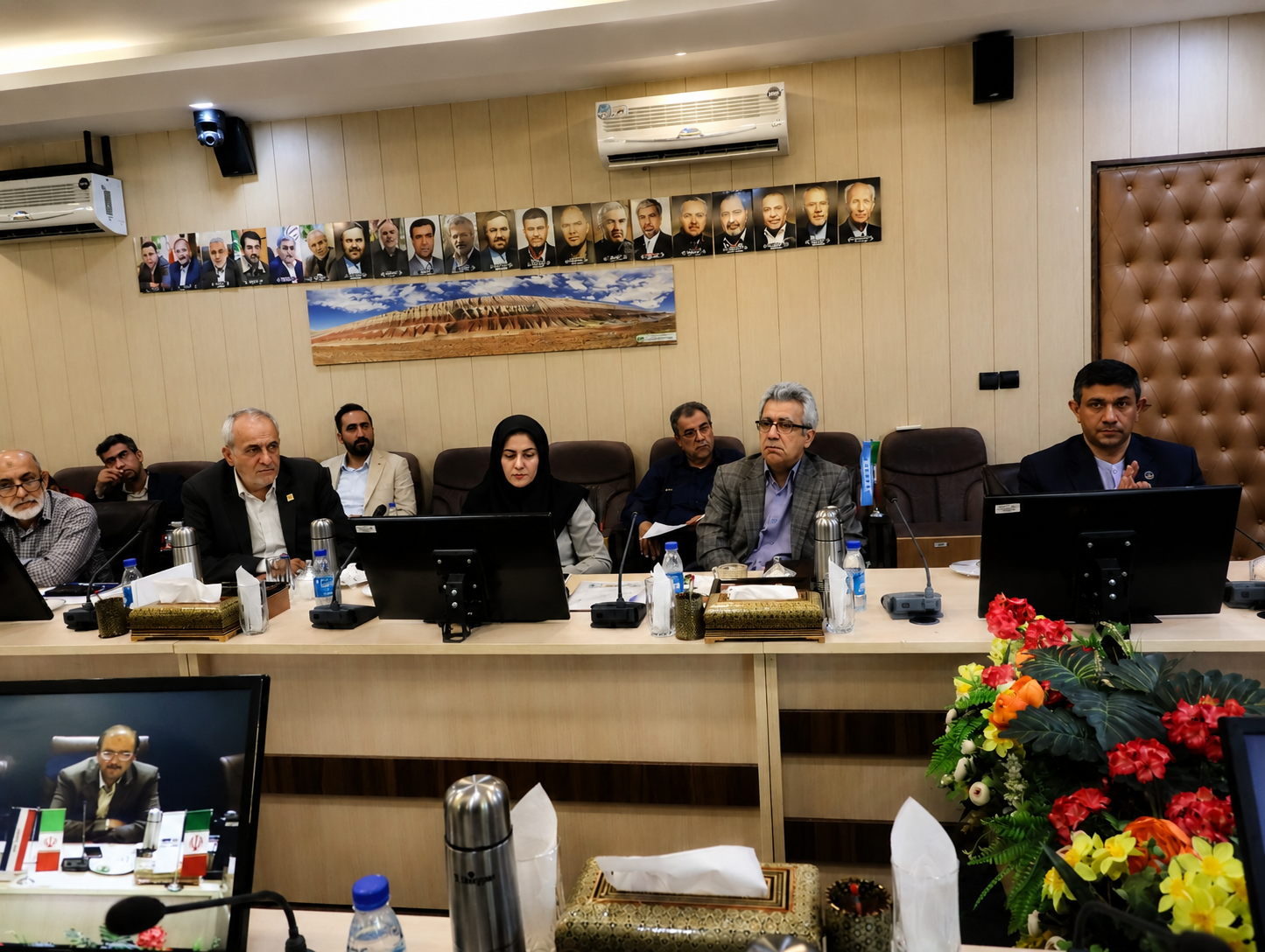
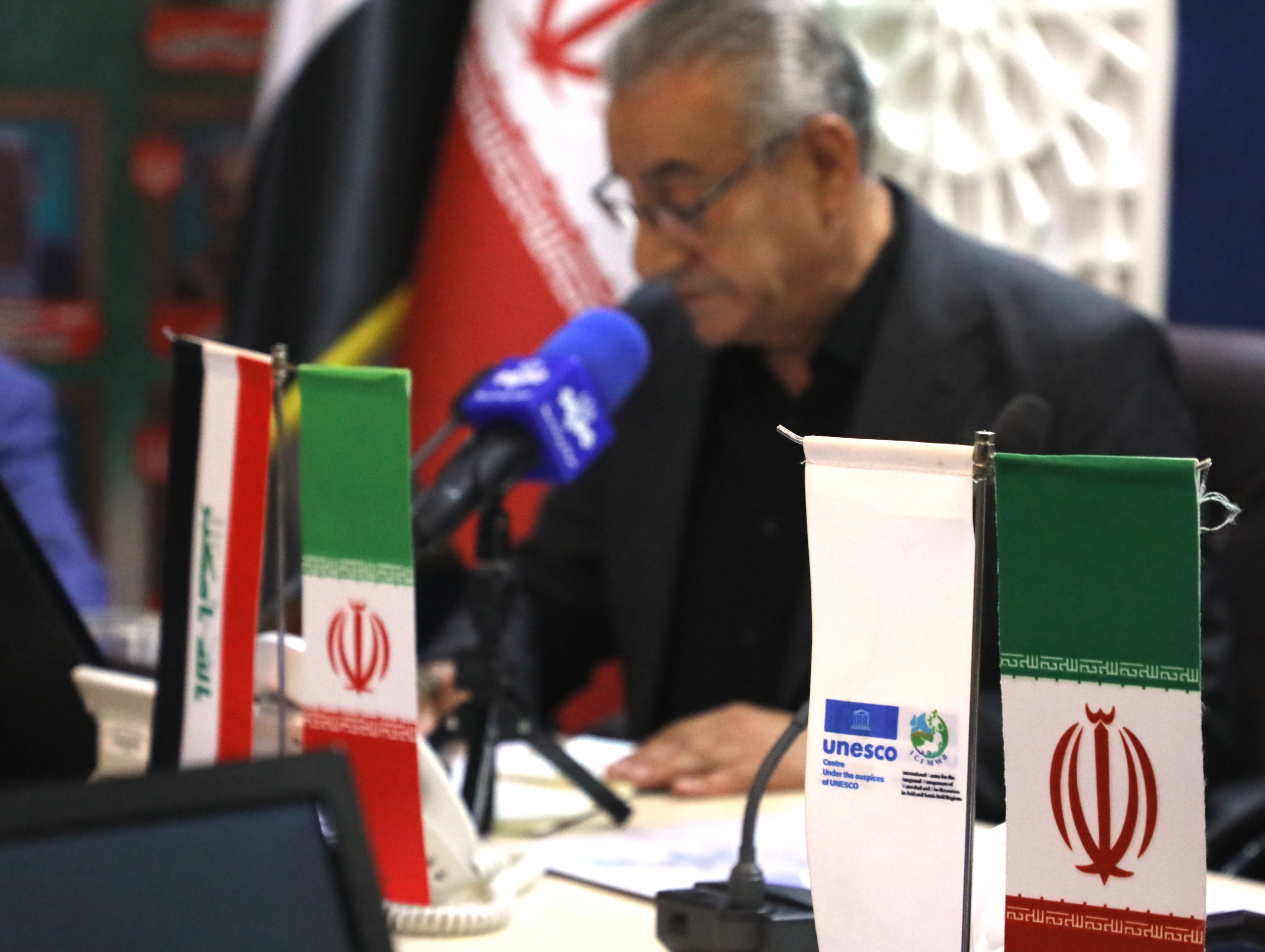
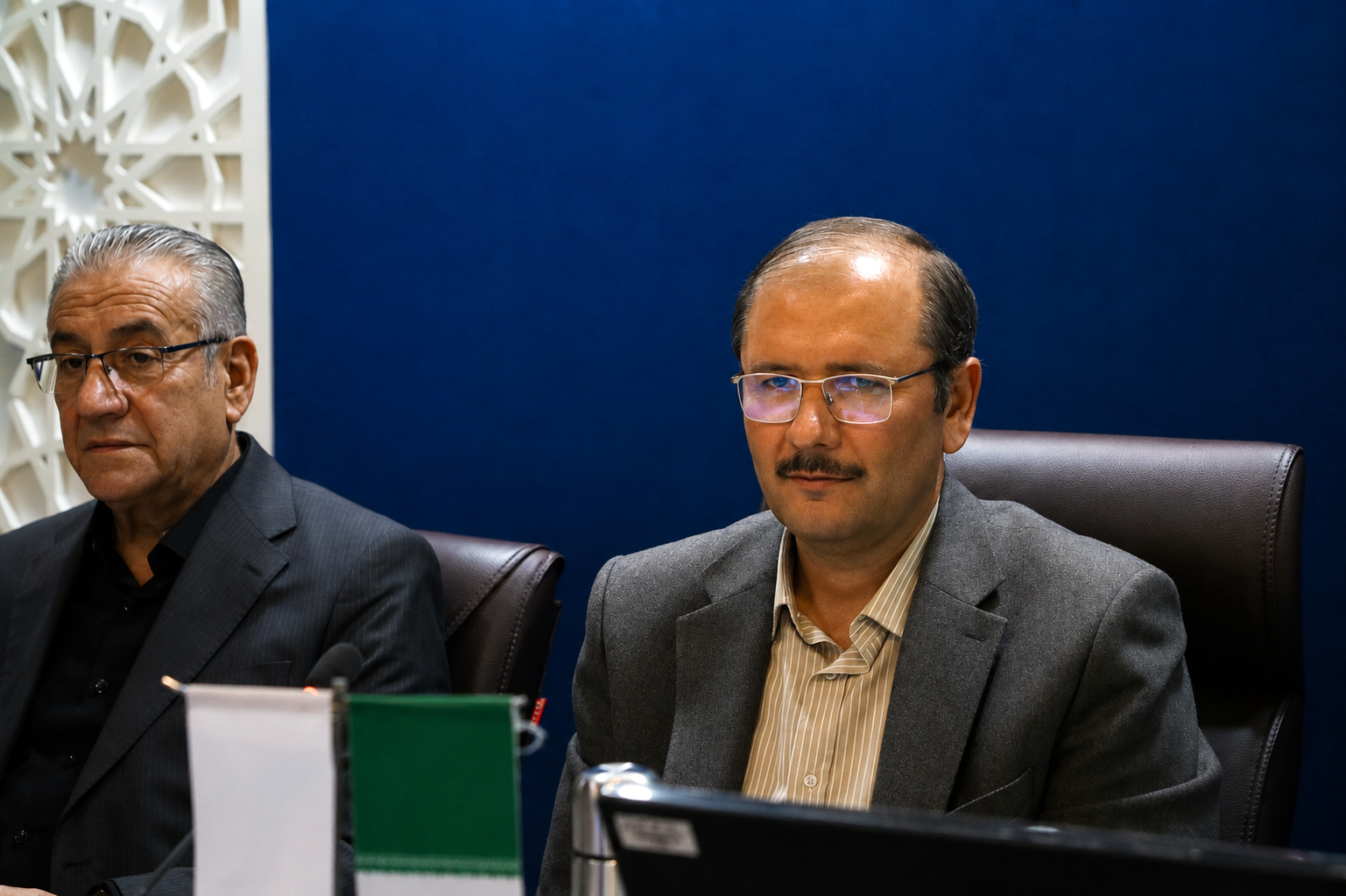
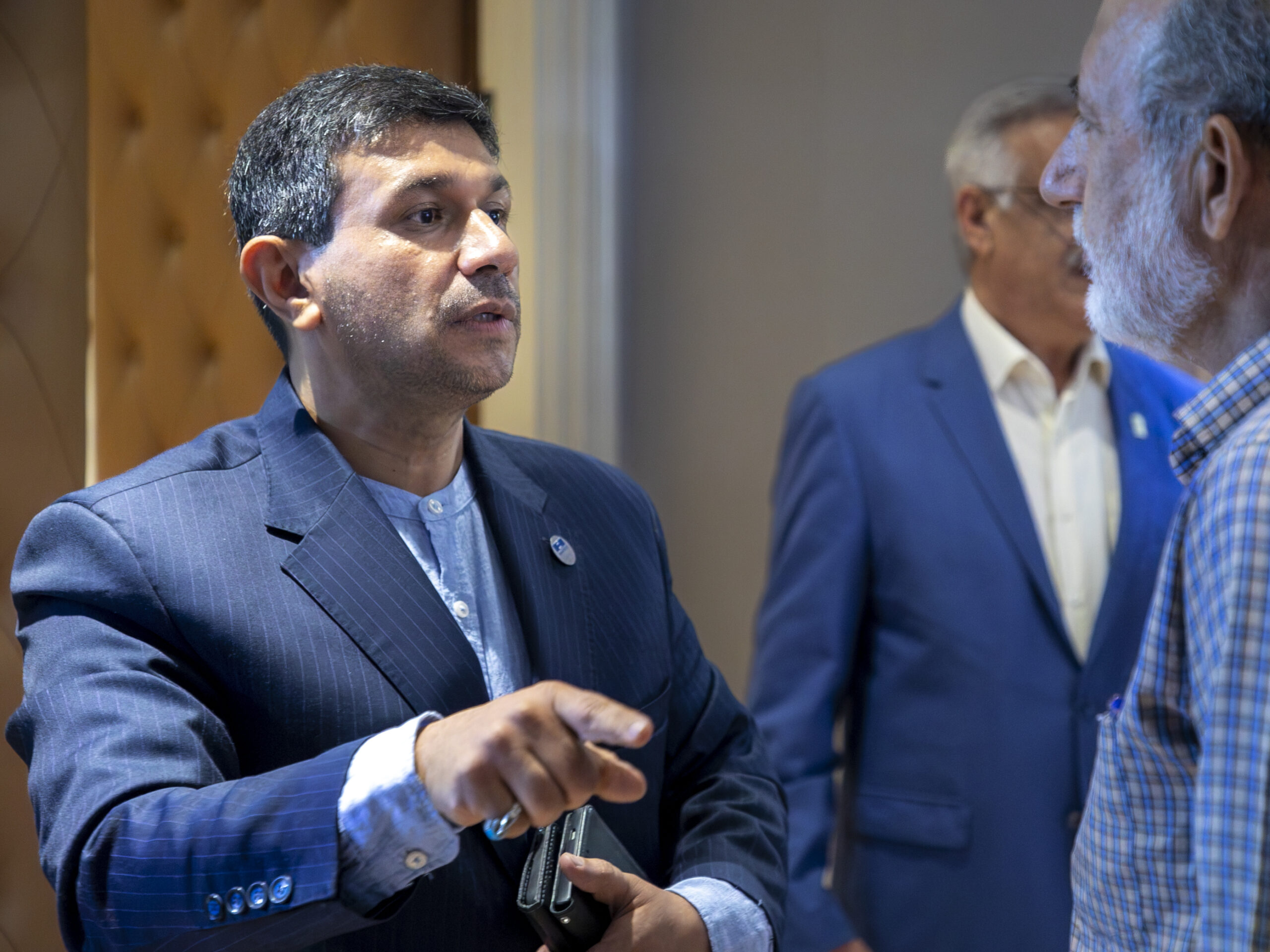
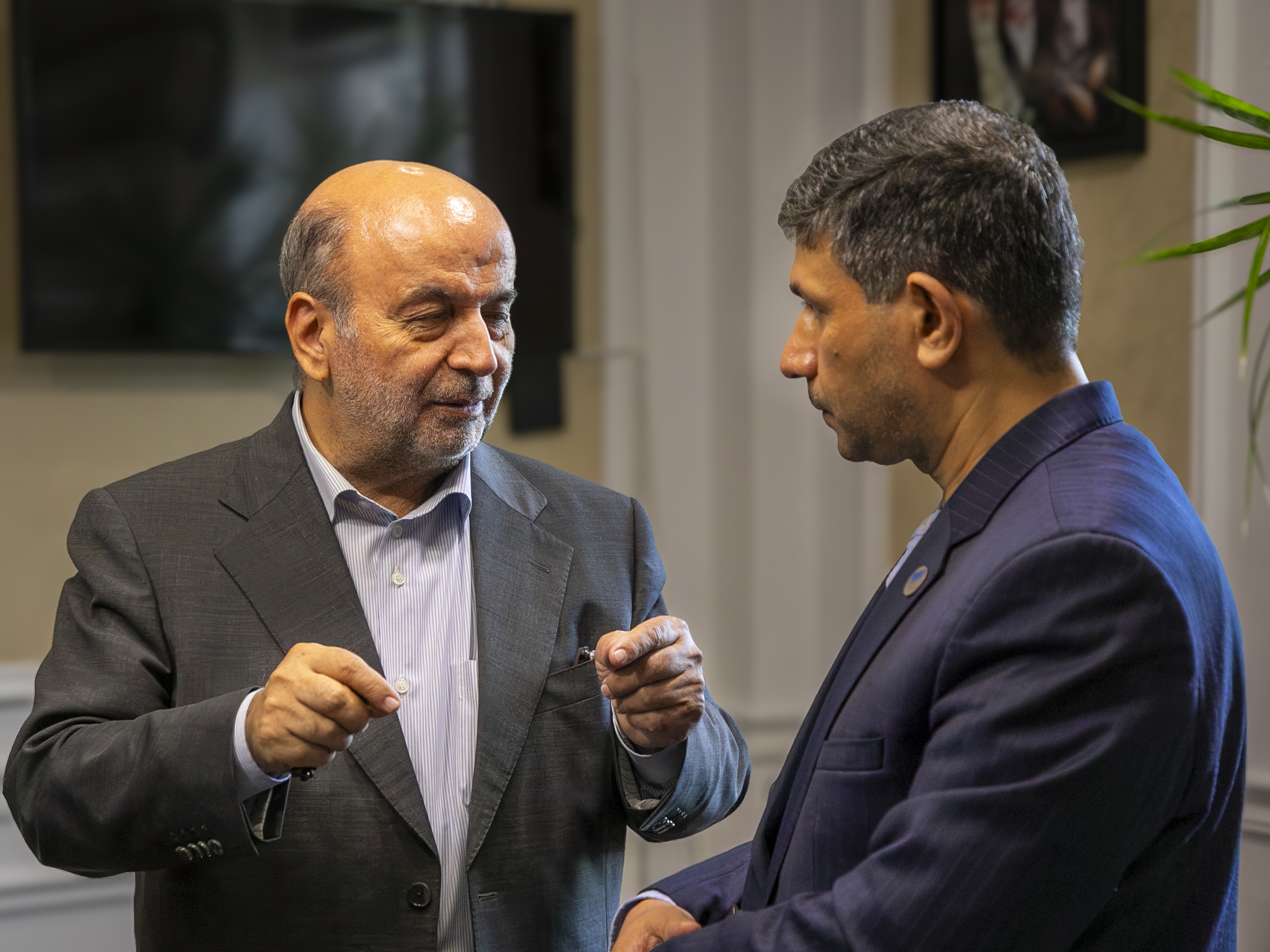
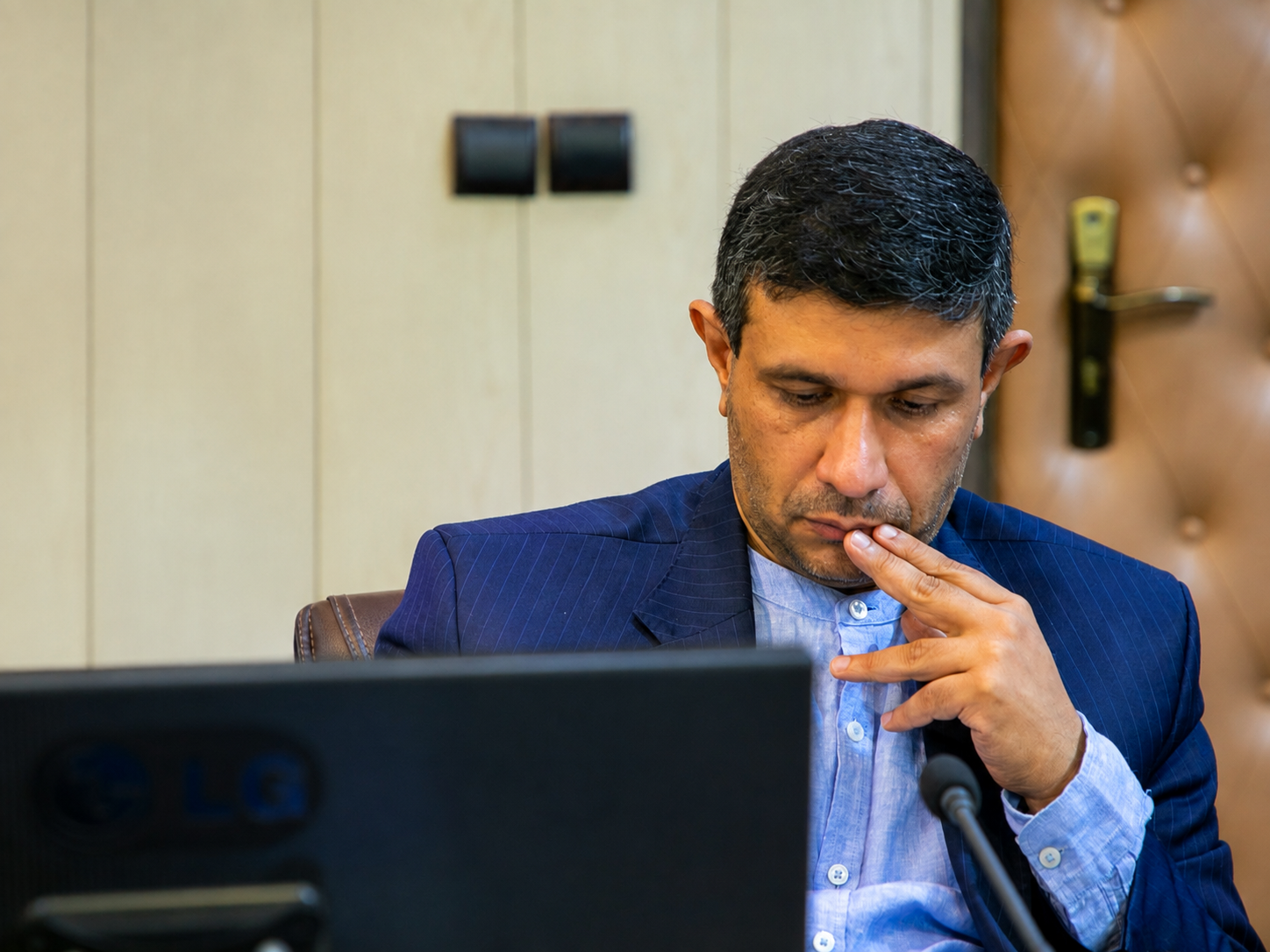
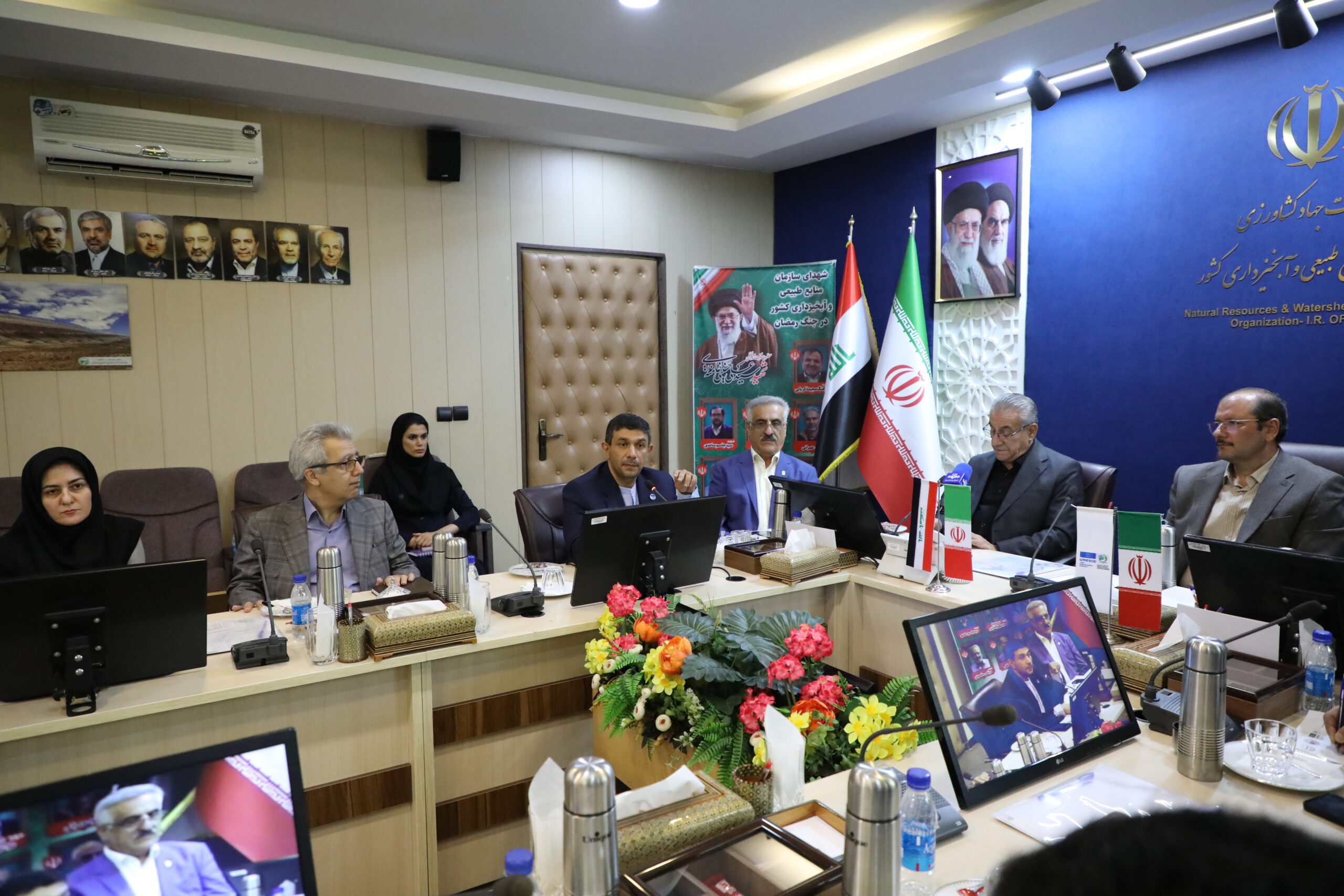
The expert meeting entitled “Water Security and Sustainable Land Management” was held on 25 August 2026 at the premises of the Forests, Rangelands and Watershed Management Organization of Iran. The meeting was attended by Dr. Hassan Fartousi, Secretary-General of Iran’s National Commission for UNESCO; Dr. Ali Nasser Banyan, Head of Iraq’s Mesopotamia Strategic Research Center; a delegation from Iraq; and a number of Iranian officials and experts in the water sector.
The meeting underscored the need to strengthen scientific, research and technical cooperation between Iran and Iraq in the fields of water, natural resources and sustainable land management, as well as to leverage UNESCO’s capacities to foster closer ties between the two countries’ scientific and research institutions.
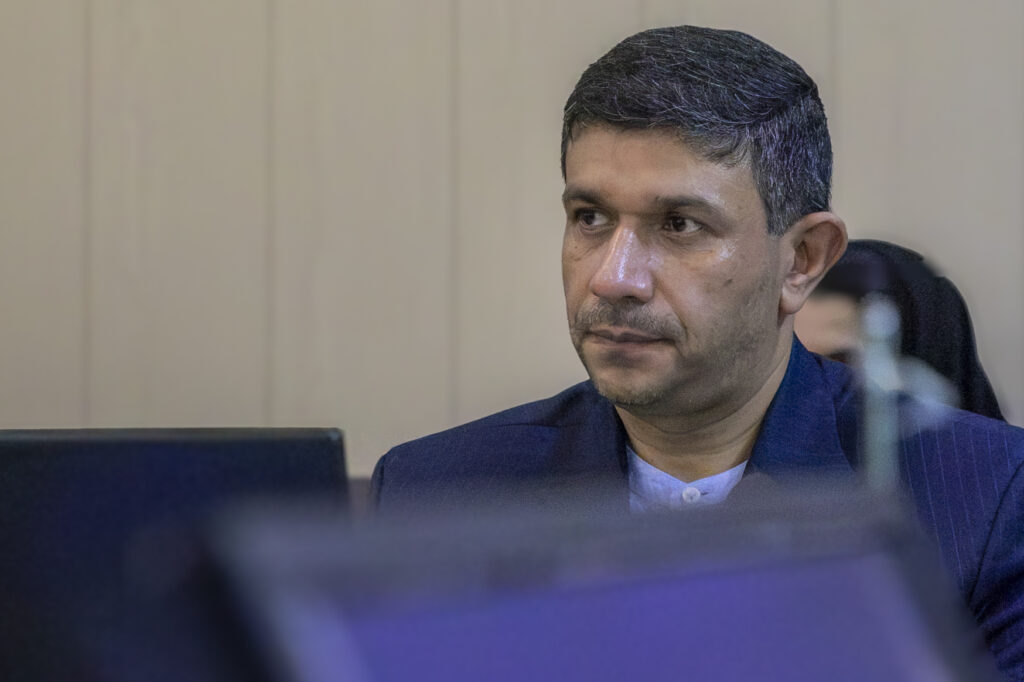
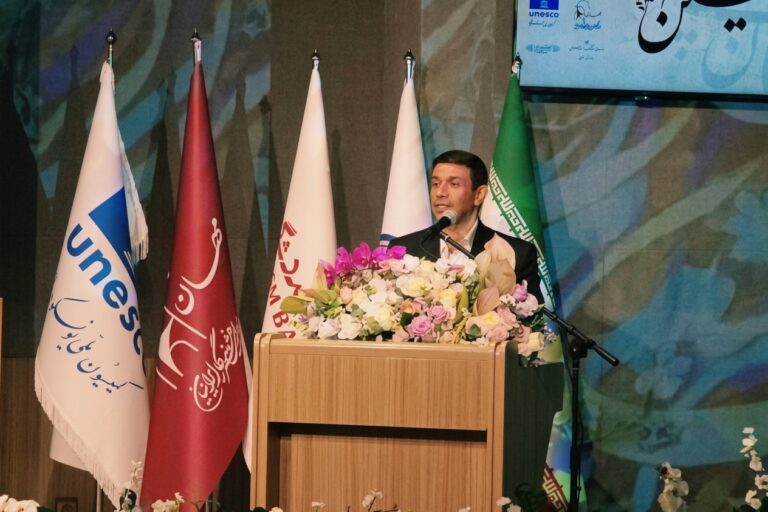
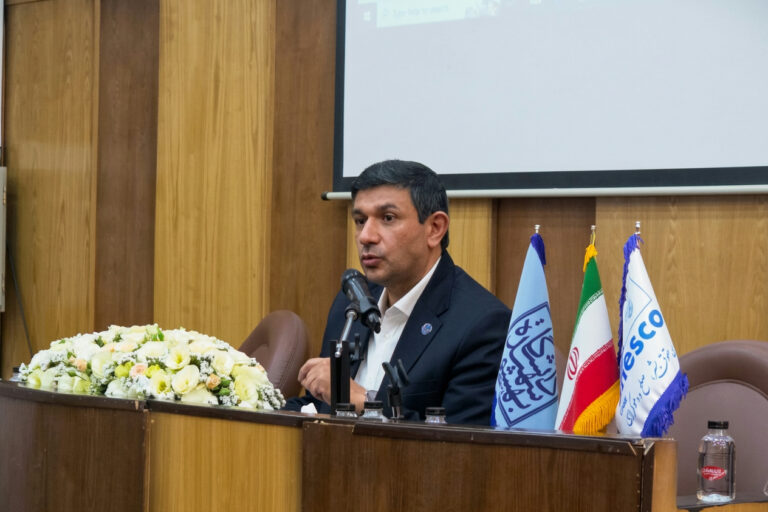
Dr. Hassan Fartousi, Secretary-General of Iran’s National Commission for UNESCO, referred to the existing opportunities for expanding cooperation among Iran, Iraq and UNESCO, emphasizing the need to make more effective use of the two countries’ scientific, research and technical capacities.
Referring to the capacities available at universities, scientific and research centers, and specialized institutions in Iran and Iraq, he stressed the importance of identifying, showcasing and appropriately presenting these capacities at the regional and international levels. He noted that many existing scientific capabilities and experiences could pave the way for new and effective forms of cooperation, provided they are properly presented and links are established among specialized institutions.
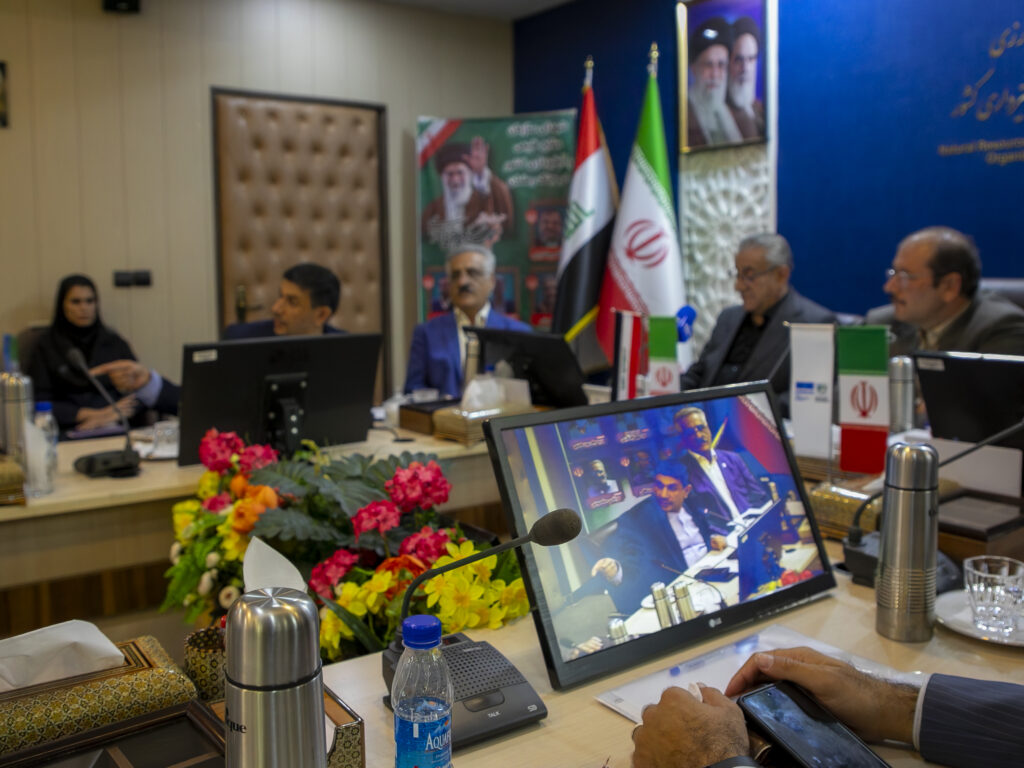
The Secretary-General of Iran’s National Commission for UNESCO stressed that the use of scientific and research capacities should go beyond their introduction and the exchange of views, leading instead to the establishment of connections and cooperation among specialized institutions. He emphasized the importance of strengthening ties between universities, research centers and specialized institutions in Iran and Iraq.
He also described UNESCO’s capacities as a valuable opportunity to showcase the two countries’ scientific capabilities and experience and to establish links between scientific and research institutions in Iran and Iraq and their counterparts in other countries around the world.
UNESCO’s Potential to Advance Scientific and International Cooperation in the Water Sector
Dr. Fartousi also referred to UNESCO’s capacities in areas related to water, natural resources and sustainable land management, emphasizing the need to draw on these capacities to advance scientific and international cooperation.
He noted that cooperation between Iran and Iraq in these fields could not only strengthen scientific ties between the two countries but also provide an opportunity to showcase their specialized achievements and experience internationally and expand networks of scientific cooperation.
The Secretary-General of Iran’s National Commission for UNESCO further emphasized the important role of Iran’s National Commission for UNESCO in facilitating and strengthening these connections and leveraging UNESCO’s international capacities to advance scientific and technical cooperation.
Proposal to Expand Scientific and Practical Cooperation between Iran and Iraq
Dr. Jafar Gohargani, Acting Deputy for Water and Soil at the Ministry of Agriculture Jihad, then highlighted the shared challenges facing Iran and Iraq in the areas of water, soil and climate change, emphasizing the need to expand scientific and practical cooperation.
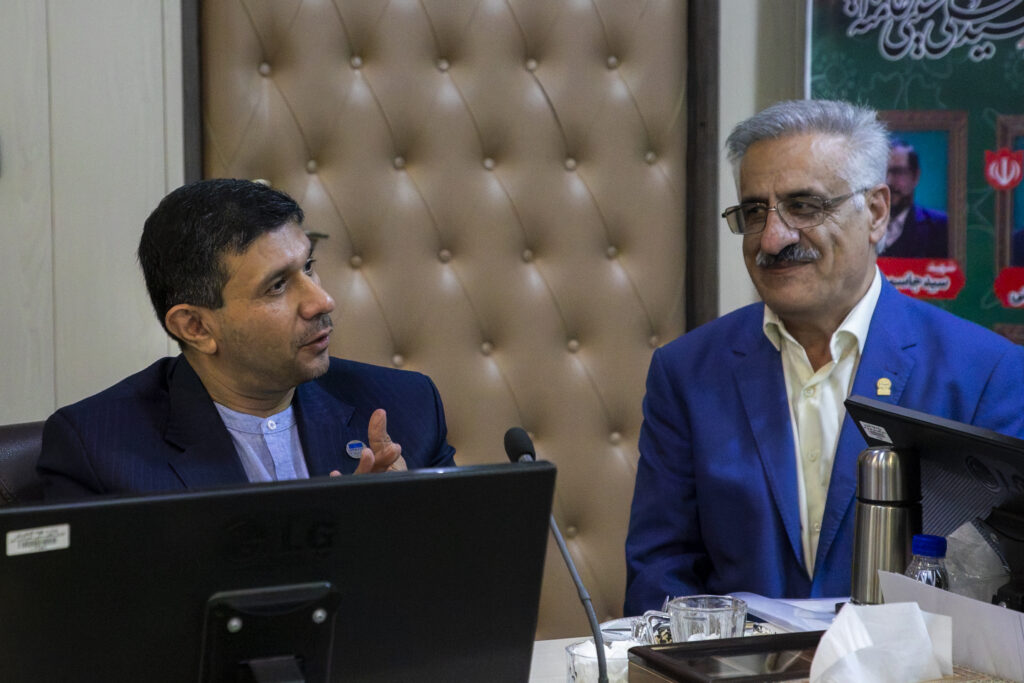
He identified the exchange of knowledge and experience, joint studies, the exchange of professors and researchers, the organization of specialized training courses, the development of new technologies and the implementation of joint pilot projects as proposed areas for cooperation.
Water Security: One of Iraq’s Major Challenges
Dr. Ali Nasser Banyan, Head of Iraq’s Mesopotamia Strategic Research Center, also highlighted the importance of water security as one of the major challenges to Iraq’s national security and emphasized the need to expand cooperation between Iran and Iraq in the fields of water and the environment.
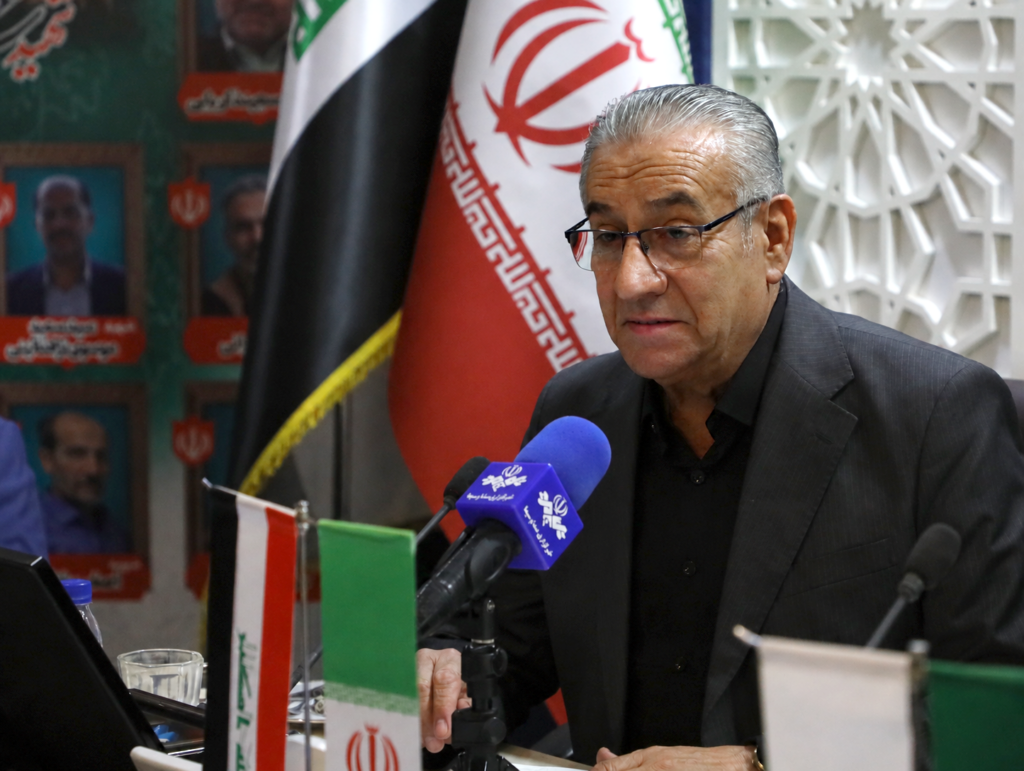
Referring to the consequences of the water crisis in Iraq, including declining agricultural production, migration from rural areas to cities and growing food insecurity, Dr. Banyan emphasized the need for cooperation between the two countries’ scientific and research institutions in areas such as water and soil management, desertification, drought and biodiversity conservation.
He also described cooperation among research centers and think tanks as a complementary capacity to official diplomacy, stressing the importance of leveraging international institutions, including UNESCO, to advance dialogue and regional cooperation in the fields of water and the environment.
Dr. Mohammad Reza Hormozi Nejad, Head of the Strategic Research Institute of the Expediency Discernment Council and Secretary-General of the Asian Parliamentary Assembly, also emphasized the importance of expanding scientific and expert-level cooperation and drawing on the academic, research and think tank capacities of both countries to develop joint projects and workshops.
At the meeting, Dr. Hamid Nouri, Director of the International Center for Integrated Management of Watersheds and Biological Resources in Arid and Semi-Arid Regions, presented a report on the Center’s activities and programs, highlighting its potential to promote cooperation among universities, research centers, executive bodies and international institutions.
Tree-Planting Ceremony and Visit by the Iraqi Delegation to the Forests, Rangelands and Watershed Management Organization
A tree-planting ceremony was also held on the sidelines of the meeting. The Iraqi delegation visited several departments of the Forests, Rangelands and Watershed Management Organization of Iran, as well as the organization’s memorial to its martyrs, where they paid their respects.