The Cyrus Cylinder: A National Treasure, World Heritage and a Message of Peace
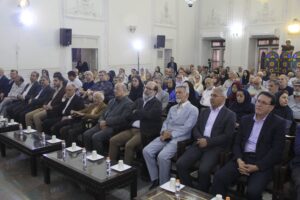
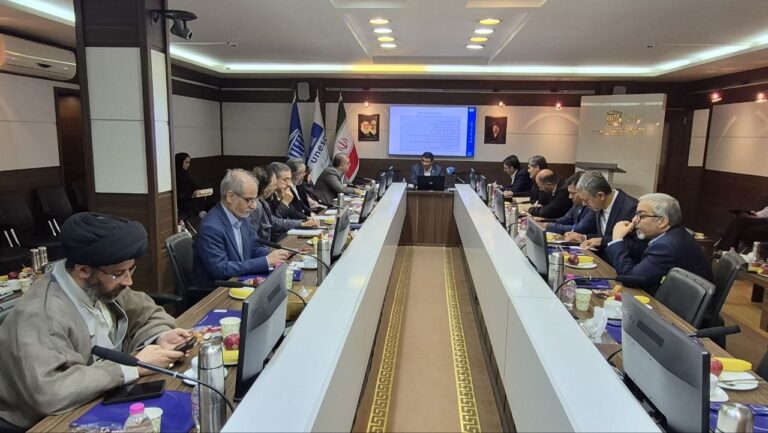
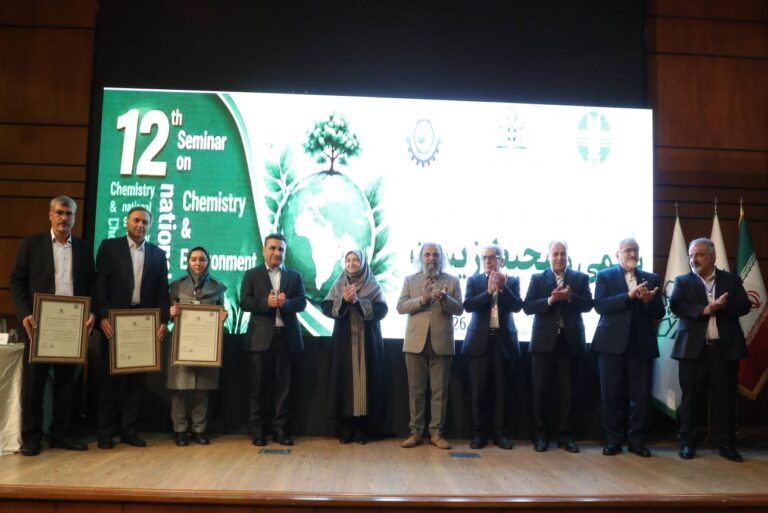
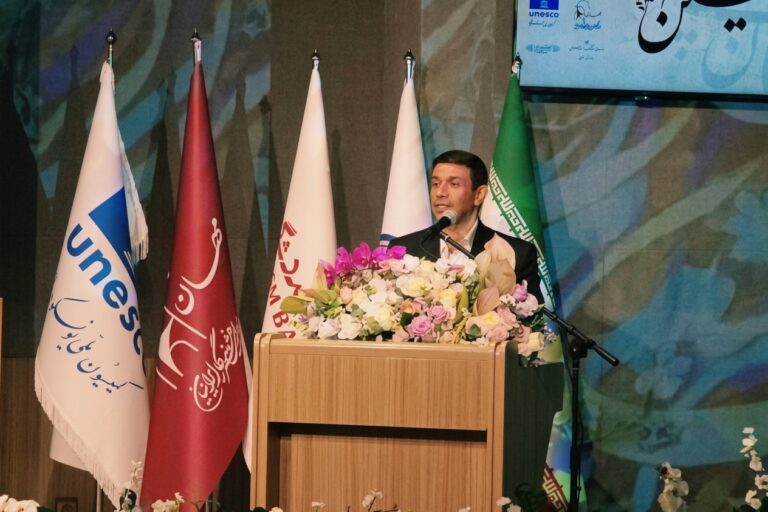
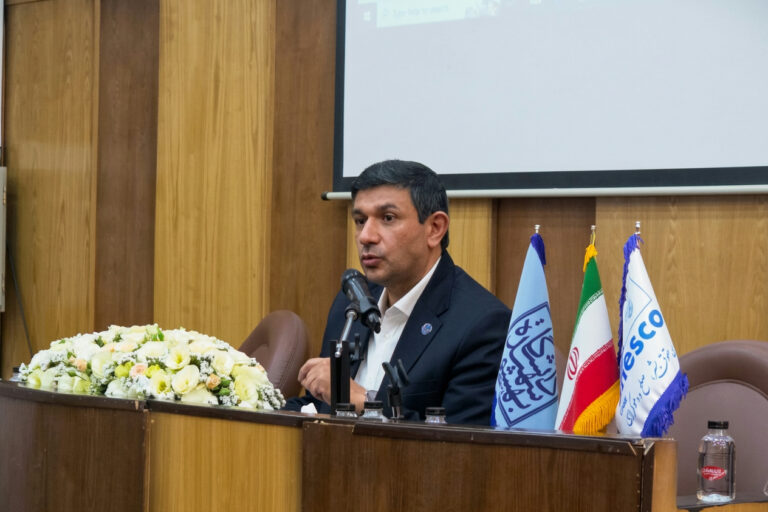
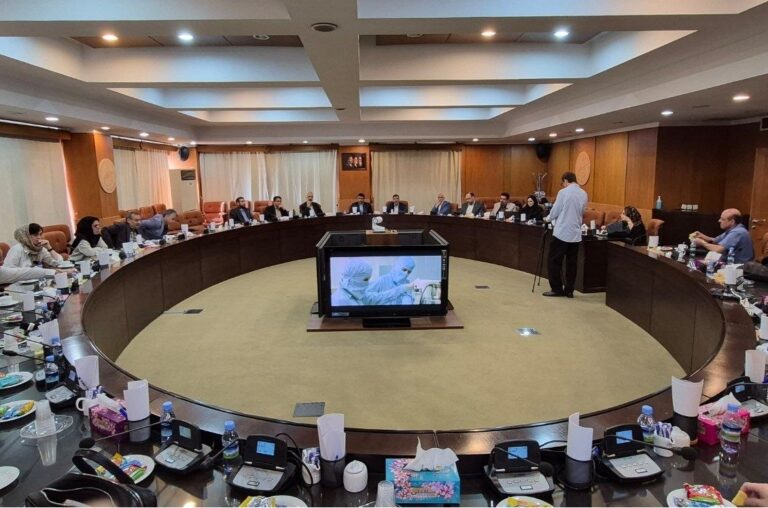
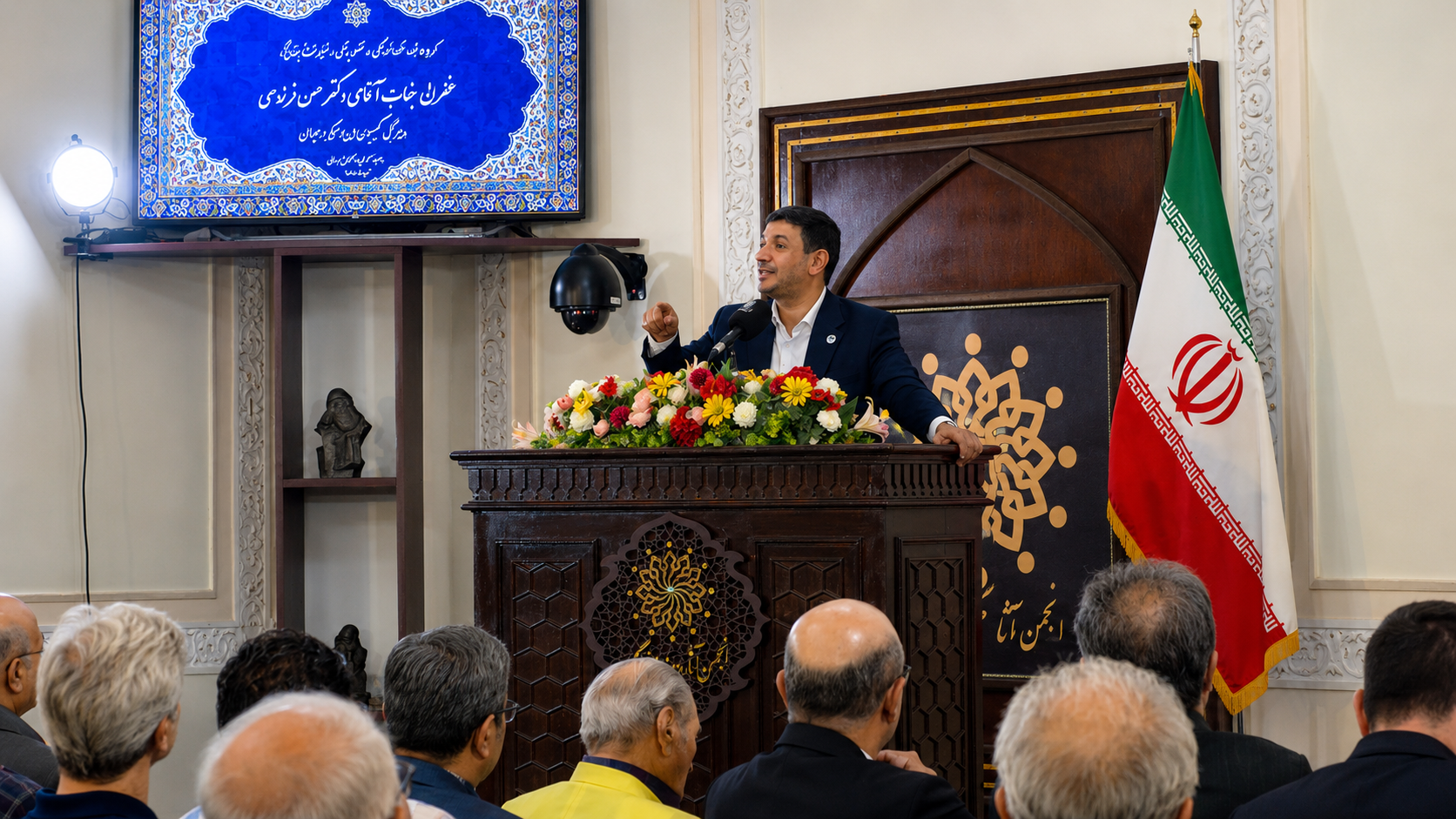
The ceremony entitled “The Cyrus Cylinder: A National Treasure and World Heritage” was organized by the Association for Cultural Works and Luminaries and attended by the Secretary-General of Iran’s National Commission for UNESCO, along with a number of enthusiasts of Iranian culture and civilization and experts in culture, history and cultural heritage. The event was held on 1 September 2026 in the Shahid Motahari (may he rest in peace) Conference Hall of the Association.
According to a report by the Public Relations Office of Iran’s National Commission for UNESCO, citing the Association for Cultural Works and Luminaries, Dr. Mahmoud Shaloui, President of the Association, began his remarks at the ceremony by paying tribute to the memory of Allameh Seyed Mohammad Hossein Tabataba’i and reciting a poem by this distinguished scholar and philosopher. He stated that at a time when Cyrus’s historical figure was the subject of various attacks and judgments, Allameh Tabataba’i had, drawing on research, examination and scientific reasoning, clearly expressed his position in his exegesis, Al-Mizan, in his commentary on the verses concerning Dhul-Qarnayn. Considering the available evidence, he regarded Abul Kalam Azad’s view identifying Dhul-Qarnayn with Cyrus as closer to the truth.

He added that Dhul-Qarnayn is presented in the Holy Quran as a figure endowed with praiseworthy qualities, with God describing his justice, strength and conduct. Therefore, it is difficult to reconcile such an image with figures known throughout history for violence and bloodshed. By contrast, historical accounts associate Cyrus with such qualities as freedom, fairness, justice, concern for his people and wise governance.
Emphasizing the scholarly standing of Allameh Tabataba’i, Dr. Shaloui stated: “What made Allameh truly remarkable was that he expressed the findings of his research without prejudice or fear and stood by them. His exegesis, Al-Mizan, is also an outstanding example of the integration of knowledge, philosophy, wisdom and research in the Shiite world.”
The President of the Association for Cultural Works and Luminaries continued: “Holding this ceremony provides an opportunity not only to examine the historical and global dimensions of the Cyrus Cylinder, but also to become better acquainted with one of the prominent figures in Iranian history and gain a deeper understanding of the place of Iran’s cultural and civilizational heritage on the world stage.”
He noted that few nations possess cultural, historical and civilizational roots as deep as those of Iran, adding that the continued emergence of scholars and thinkers such as Abu Rayhan al-Biruni, Al-Farabi, Avicenna, Zakariya al-Razi, Rumi, Hafez, Saadi, Rudaki and Ferdowsi bears witness to the enduring intellectual capacity of this land.
The Cyrus Cylinder: From National Heritage to Global Responsibility
Dr. Ahmad Pakatchi, Iran’s Ambassador and Permanent Representative to UNESCO, then emphasized that his remarks were not being delivered from the perspective of a specialist in ancient Iran, but rather as an account of the process through which the resolution on the Cyrus Cylinder was adopted at UNESCO. He said: “What I would like to do here is offer an overview of what took place at UNESCO and the process this resolution went through before its adoption.”
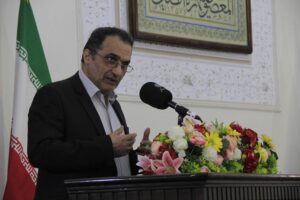
He added that, when discussing the Cyrus Cylinder in the international arena, reference to Iran’s several-thousand-year civilizational history makes the magnitude of this heritage all the more apparent.
Emphasizing the need for a realistic approach to cultural heritage, Iran’s Ambassador and Permanent Representative to UNESCO stated: “We should neither exaggerate nor deceive ourselves about our cultural assets, nor should we overlook what we genuinely possess. Iran’s cultural heritage is not only a national treasure but also a part of the world’s heritage. Just as the Iranian people have contributed to its creation, they also bear responsibility for protecting and presenting it.”
Dr. Pakatchi continued: “The resolution on the Cyrus Cylinder was adopted at UNESCO with 194 votes in favour, not a single vote against and no amendments whatsoever; an outcome that is uncommon for an international document. Furthermore, 14 countries spoke in support of the resolution during its adoption.”
He clarified that the resolution was not merely a simple “inscription” on UNESCO’s World Heritage List, but an independent resolution specifically devoted to the Cyrus Cylinder, recognizing its significance as one of the oldest documents associated with human rights, intercultural dialogue and cultural diversity.
Iran’s Permanent Representative to UNESCO stated that one of the resolution’s most important provisions was its invitation to Member States to introduce the Cyrus Cylinder in their educational programs and curricula, and to develop initiatives that would draw on its content in the contemporary world. Thus, the matter is not simply a commemoration of historical heritage, but an effort to keep its message alive and draw on it in today’s world.
In conclusion, he emphasized: “We should not regard Cyrus and his Cylinder as an isolated episode in Iranian history. Rather, we must understand the cultural and historical trajectory that led to such an achievement. Ancient Iran and contemporary Iran are not two disconnected cultures; we are dealing with a continuous and living culture that has produced invaluable treasures for humanity throughout history and continues to demonstrate its capacity for creation and influence.”
Cyrus’s Humanitarian Conduct: A Clear Expression of the Iranian Spirit
The third speaker at the ceremony was Dr. Rouzbeh Zarrinkoub, a faculty member at the University of Tehran. He stated that what had brought many of those present together was, above all, the name of Iran. He also expressed appreciation for the efforts of Ahmad Pakatchi, Iran’s Ambassador and Permanent Representative to UNESCO, in securing the adoption of the resolution on the Cyrus Cylinder, describing this as an achievement that, in his view, deserved extensive and fitting recognition.
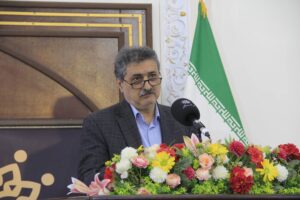
He added that, to understand Cyrus’s historical significance, one must consider the global historical context of his time. In 539 BCE, after centuries of pressure, invasions, plunder and threats from powers such as Assyria, the Iranian people faced a decisive choice between continuing to live under conditions of insecurity and embarking on a major movement to secure their survival and future.
Dr. Zarrinkoub stated that the rise of the Achaemenids transformed Iran from a local and regional power into a decisive actor in global politics. Under these circumstances, he explained, Cyrus conquered Babylon but adopted an approach markedly different from that of earlier conquerors. In a world where the destruction of conquered cities, the killing of their inhabitants and the devastation of temples were common practices, Cyrus’s peaceful and humane treatment of the people of Babylon was unprecedented.
The University of Tehran faculty member continued: “Comparing Cyrus’s conduct with that of conquerors who, after capturing Babylon and Susa, resorted to destruction, massacres and the devastation of cities shows that Cyrus’s humane conduct was a clear expression of Iranian culture and spirit. In Babylon, Cyrus was not merely a conquering ruler; he was a symbol of Iranian culture.”
He emphasized that, despite lacking extensive prior experience in governing a vast and multicultural territory, Cyrus succeeded, drawing on the foundations of Iranian culture, in establishing a humane and honorable government across a vast land inhabited by peoples of diverse ethnicities, languages and religions.
Concluding his remarks, Dr. Zarrinkoub referred to the enduring message of the Cyrus Cylinder, stating: “Centuries later, this Cylinder continues to call upon Iranians to transcend ethnic, religious, sectarian and linguistic boundaries and achieve unity and solidarity. In ‘Global Iran,’ there is no place for egotism, division or separatism. All peoples and ethnic groups are considered part of the same cultural body and belong to it.”
Transforming a National Treasure into World Heritage
Dr. Hassan Fartousi, Secretary-General of Iran’s National Commission for UNESCO, was the final speaker at the event. Referring to the significance of transforming a national treasure into world heritage, he stated: “The achievement brought about through a resolution at UNESCO was a clear example of turning a threat into an opportunity. It demonstrated that, even under difficult circumstances, cultural diplomacy can be used to transform a challenge into an opportunity to introduce Iran’s cultural assets to the world.”
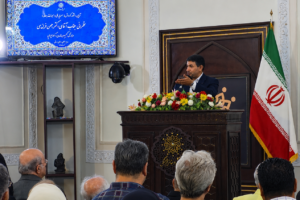
He added that the initial proposal for the resolution on the Cyrus Cylinder had been put forward by Tajikistan. At a time when it was not possible to register the matter through the usual quota system, the initiative and follow-up efforts of representatives of Iran and Tajikistan paved the way for an alternative approach to presenting and pursuing it at UNESCO. In this regard, the role of Dr. Ahmad Pakatchi, Ambassador and Permanent Representative of the Islamic Republic of Iran to UNESCO, in advancing the process was particularly significant and worthy of appreciation. He also expressed his gratitude for the effective support and cooperation of officials and those involved at the Ministry of Foreign Affairs and the Office of the President, whose efforts helped advance the matter and create the conditions for this achievement.
Dr. Fartousi stated that securing the adoption of the resolution had not been easy and that it had encountered obstacles and opposition from some countries. However, through cultural diplomacy and by securing the support of various countries, the resolution on the Cyrus Cylinder was ultimately adopted by consensus among UNESCO Member States. Representatives of countries from all five continents also spoke in its support, demonstrating that cultural heritage can provide a basis for dialogue and convergence among nations.
The Secretary-General of Iran’s National Commission for UNESCO emphasized that the significance of the resolution lay not merely in its title or form, but also in its substantive content. Among other provisions, it invites UNESCO Member States to introduce the Cyrus Cylinder in their educational programs and textbooks and to draw on its teachings concerning peace, tolerance, human rights and respect for cultural diversity.
He continued: “The Cyrus Cylinder is closely aligned with UNESCO’s objectives, particularly the Sustainable Development Goals relating to peace, justice, the elimination of discrimination and the participation of nations. It can serve as a historical model for promoting tolerance and intercultural dialogue.”
Concluding his remarks, Dr. Fartousi stressed that national treasures should be regarded not merely as belonging within Iran’s geographical borders, but as treasures of value to all humanity. He called for cooperation among government and civil society institutions to ensure that this heritage is introduced and its benefits made accessible worldwide.