From the Destruction of Schools to the Destruction of the Future: Iran Speaks of “Development Destruction” at the Human Rights Council
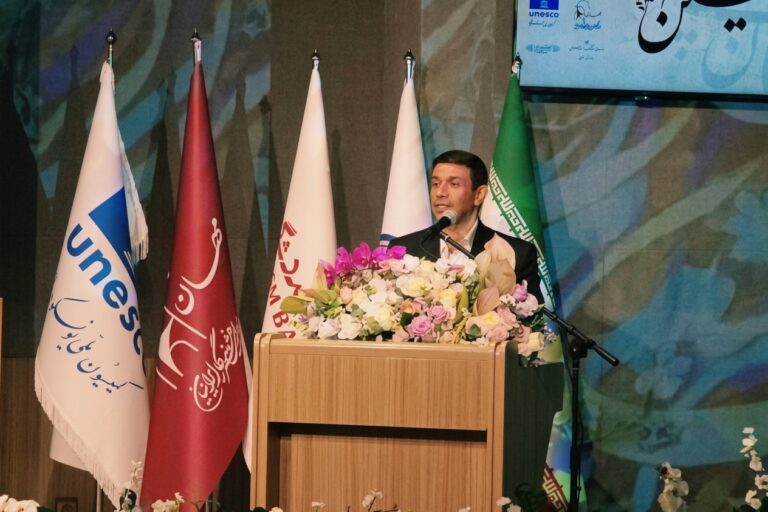
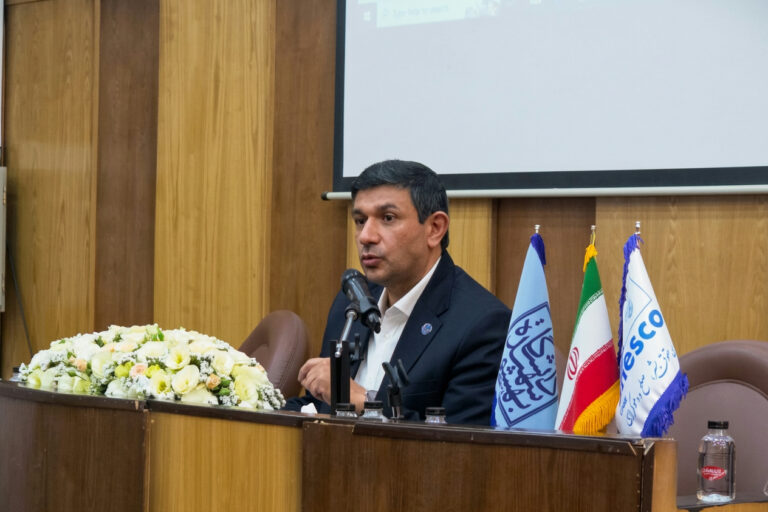
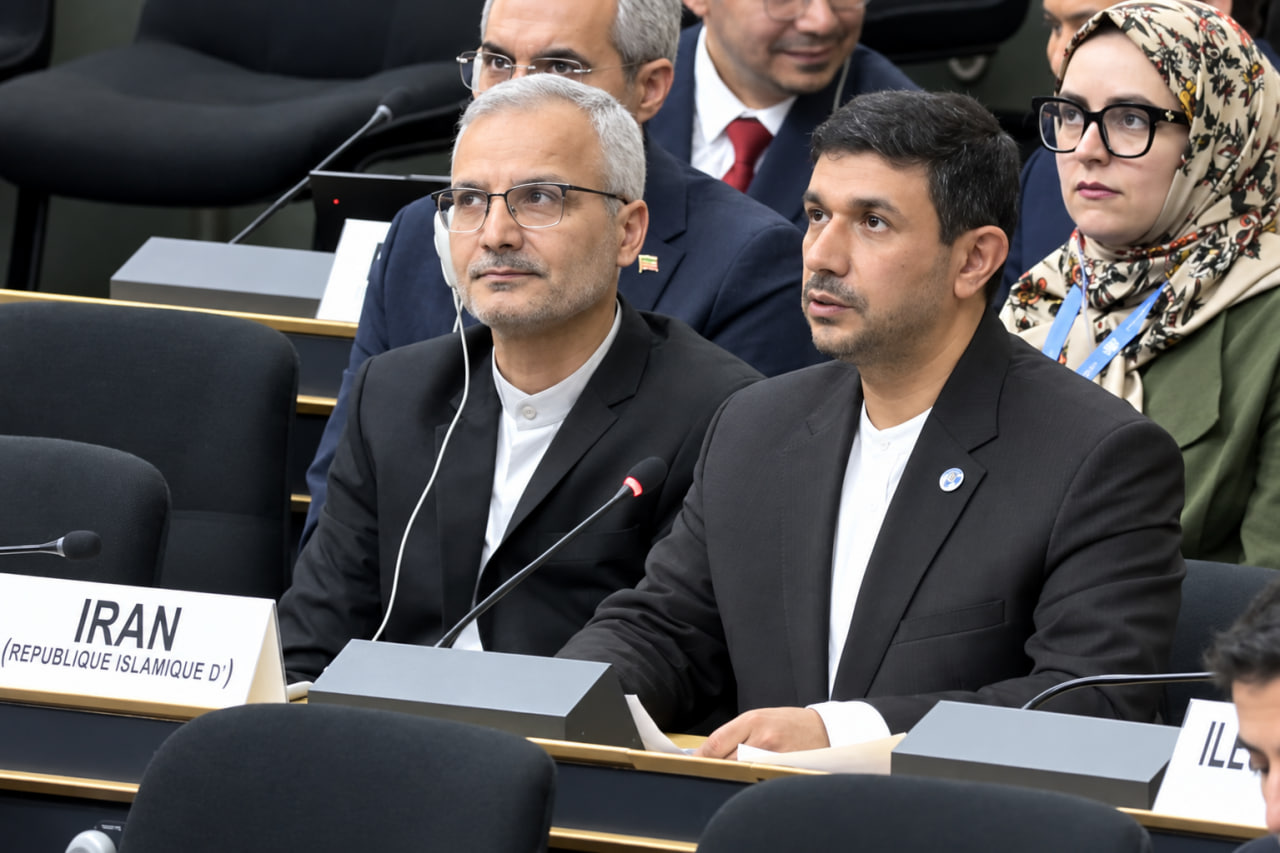
Dr. Hassan Fartousi, Secretary-General of Iran’s National Commission for UNESCO, delivered a speech at the 63rd session of the United Nations Human Rights Council, as part of the Biennial Panel Discussion on the Right to Development, held on 11 September 2026 at the Palais des Nations in Geneva.
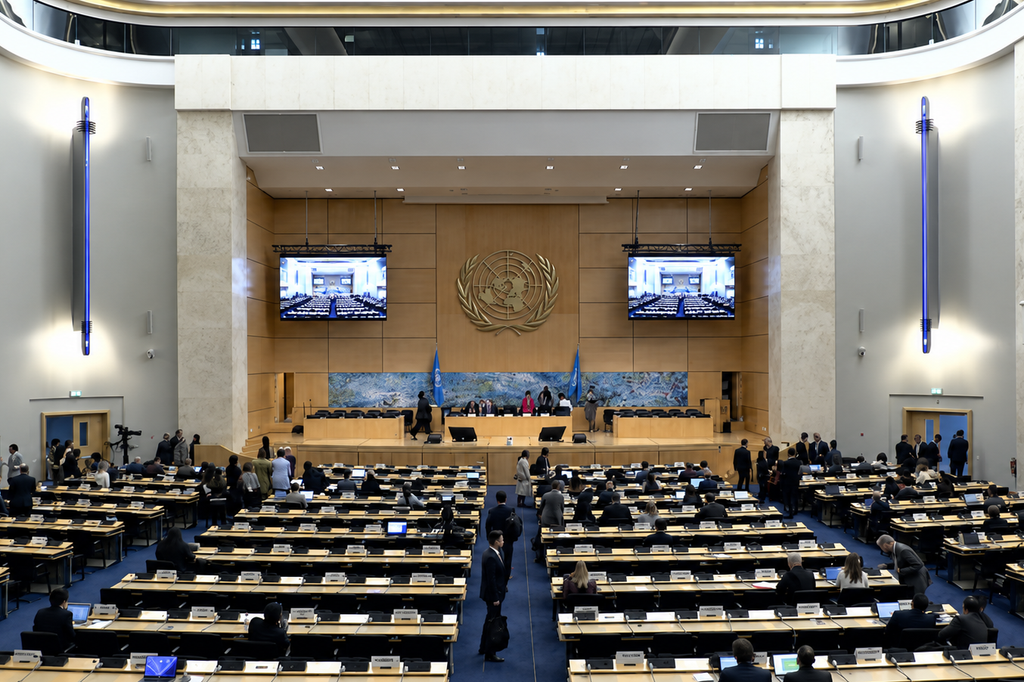
At the 63rd session of the United Nations Human Rights Council, the Secretary-General of Iran’s National Commission for UNESCO outlined the impact of unilateral coercive measures and military attacks on development processes. He emphasized that damage to schools, hospitals and critical infrastructure cannot be regarded merely as collateral consequences of war, as such actions directly target human capital, development processes and the future of generations.
Referring to the 40th anniversary of the Declaration on the Right to Development, he noted that four decades after the adoption of this landmark document, the promise of universal enjoyment of the right to development remains unfulfilled for millions of people.
Four Decades After the Declaration on the Right to Development: The Challenge of Realizing This Right
Referring to developments over the past four decades, Dr. Fartousi stated that the issue today is no longer simply to establish that development is a human right; rather, the fundamental question is why certain countries can still deprive other nations of the enjoyment of this right.
According to the Secretary-General of Iran’s National Commission for UNESCO, recognition of the right to development is meaningful only when the international community can offer effective and practical solutions to the obstacles that prevent nations from accessing the resources, opportunities and infrastructure necessary for development.
Sanctions and War: Damage to Health, Education and Infrastructure
Continuing his remarks, Dr. Fartousi addressed the consequences of unilateral coercive measures against Iran, stating that over the past decades, these measures have restricted the country’s access to financial resources, technology, medicines and essential goods, creating significant barriers to development.
Referring to the current situation, he added that economic pressures, compounded by the consequences of military aggression, have created new dimensions of harm to the right to development of the Iranian people. The impact of this situation is not limited to economic indicators, but also extends to areas such as health, education, infrastructure and human capital.
When the Target Is Not a Building, but the Future of Generations
The Secretary-General of Iran’s National Commission for UNESCO described the protection of critical infrastructure as an integral part of realizing the right to development. Elaborating on the consequences of attacks on educational and healthcare facilities, he stated: “When hospitals are attacked, schools are destroyed and children lose their lives in classrooms, we are not merely witnessing the casualties of war; we are witnessing the deliberate destruction of development itself.”
Dr. Fartousi further noted that the consequences of a school being destroyed in a matter of seconds can last for years, ranging from psychological harm and trauma among students to disruptions in education and the loss of learning opportunities.
He also described attacks on hospitals as going far beyond the destruction of a building, stating that such actions affect public health, human capital and the life prospects of future generations.
The Right to Development: A Responsibility Beyond a Declaration
The Secretary-General of Iran’s National Commission for UNESCO posed the question of how respect for the right to development can be upheld when people have been subjected to economic pressure and restrictions for decades and are then exposed to military aggression. He stressed that there is a direct link between safeguarding the right to development and protecting critical infrastructure.
He emphasized that commemorating the 40th anniversary of the Declaration on the Right to Development should not be limited to recalling a historical document. Rather, this occasion should serve as an opportunity to review the mechanisms for implementing this right and strengthen international accountability.
From Proclaiming Principles to Demanding Accountability
Dr. Fartousi described the shift from proclaiming principles to their actual implementation and accountability as an essential necessity. He stressed that countries and actors whose unlawful coercive measures and military aggression undermine the development of nations must be held accountable for the consequences of their actions.
Concluding his remarks, he emphasized the need for all nations to enjoy equal opportunities for development, stating that the right to development must be a right for all nations, particularly the peoples of developing countries.
The 2026 Biennial Panel Discussion on the Right to Development was held to coincide with the 40th anniversary of the adoption of the Declaration on the Right to Development by the United Nations General Assembly in 1986.
Reaffirming the status of the right to development as an inalienable human right, reviewing the achievements and obstacles encountered over four decades of implementing the Declaration, and outlining the elements of a practical roadmap for realizing this right were among the main themes of the meeting. Other topics addressed included the process of drafting and adopting the International Covenant on the Right to Development and the role of this right in advancing the 2030 Agenda for Sustainable Development.