

Secretary-General of Iran’s National Commission for UNESCO: War Has Damaged Iran’s Cultural Heritage and Educational and Scientific Infrastructure / Need to Strengthen the International Community’s Deterrent Role
On the sidelines of the 63rd session of the United Nations Human Rights Council in Geneva, the delegation of the Islamic Republic of Iran outlined the impact and consequences of military aggression against Iran, emphasizing the need to strengthen the international community’s deterrent role and develop preventive policies to prevent the recurrence of military crises.
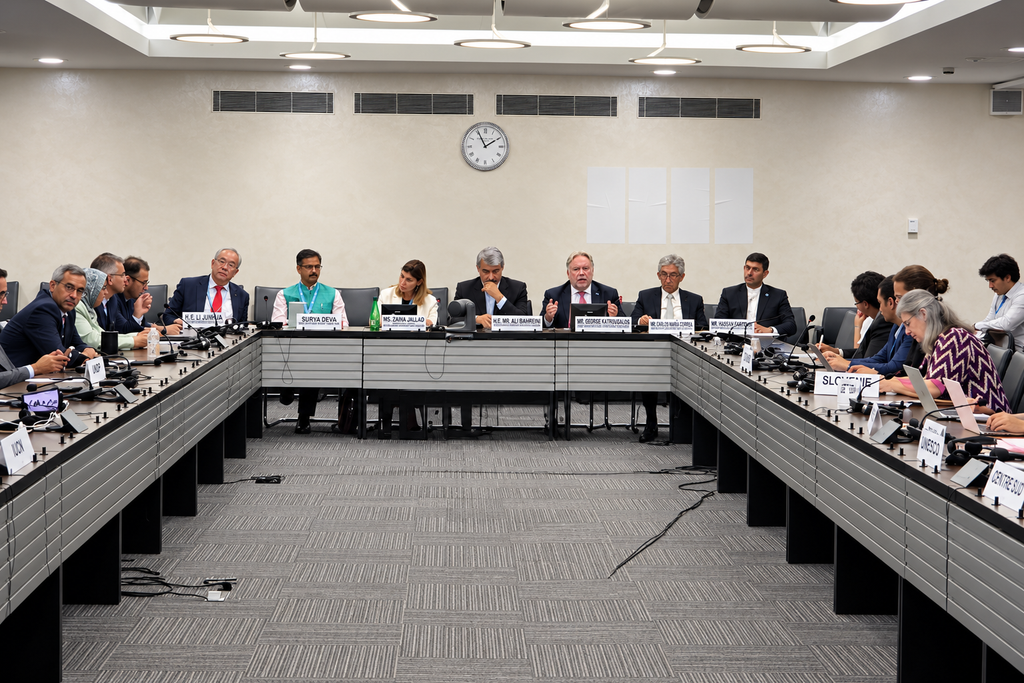
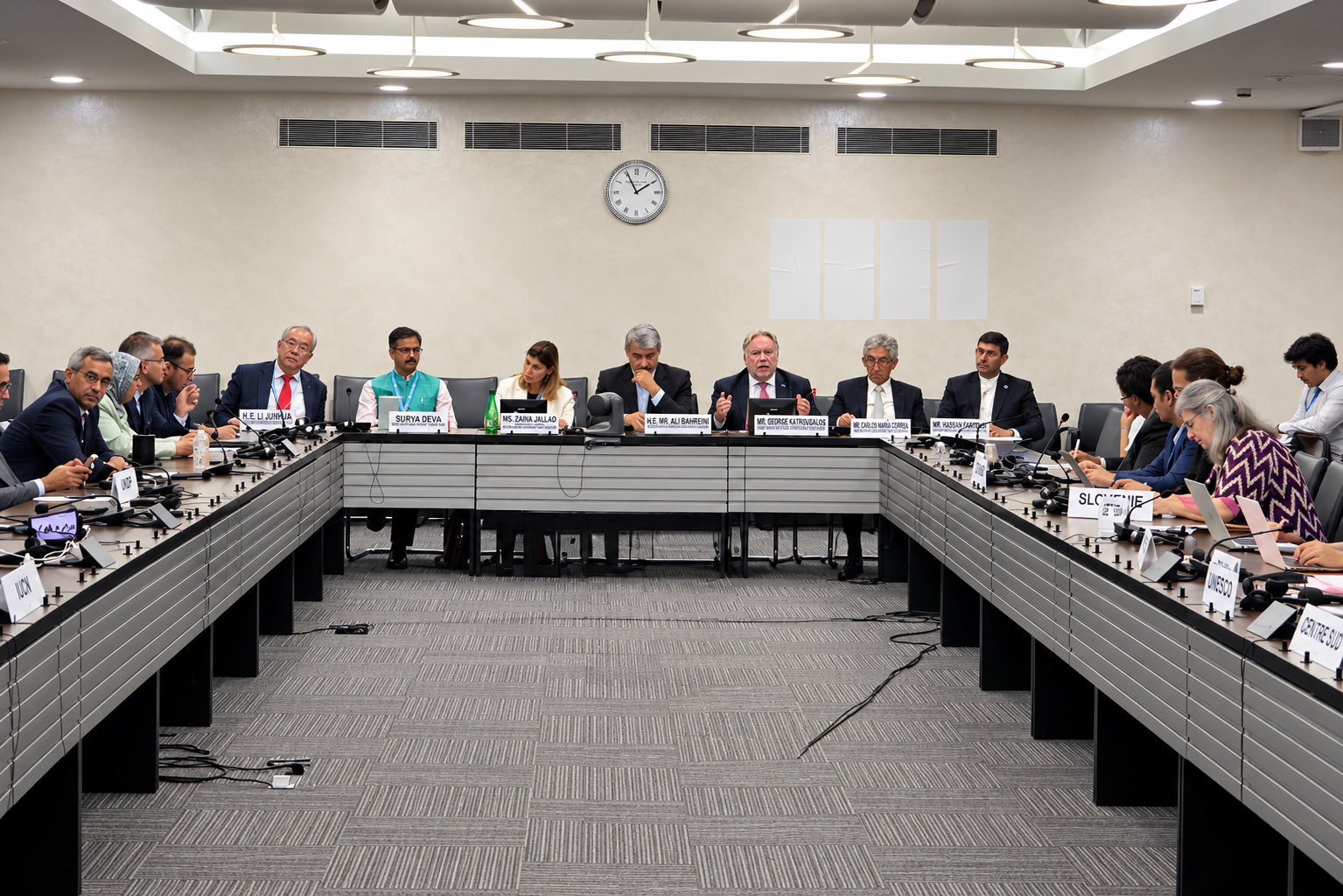
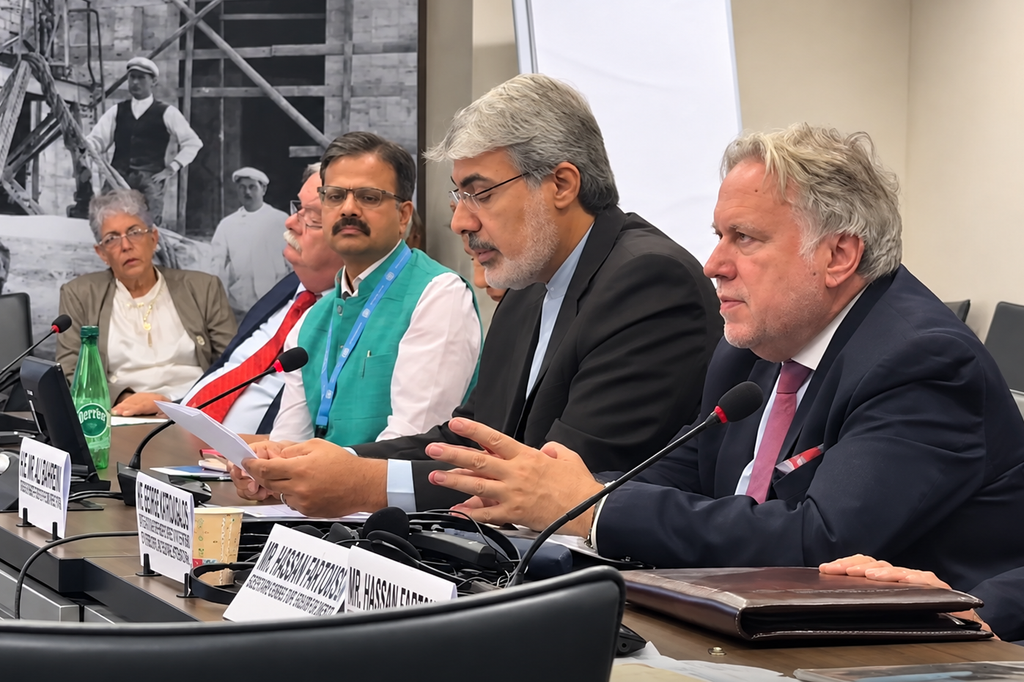
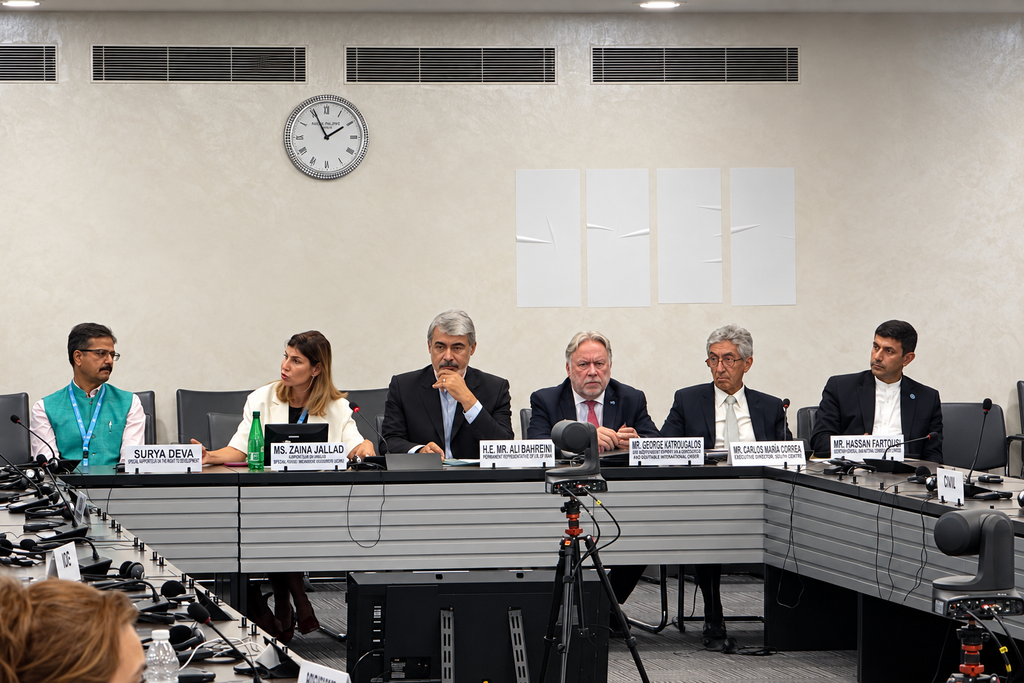
The meeting was attended by Dr. Ali Bahreini, Ambassador and Permanent Representative of the Islamic Republic of Iran to the United Nations Office in Geneva, and Dr. Hassan Fartousi, Secretary-General of Iran’s National Commission for UNESCO.
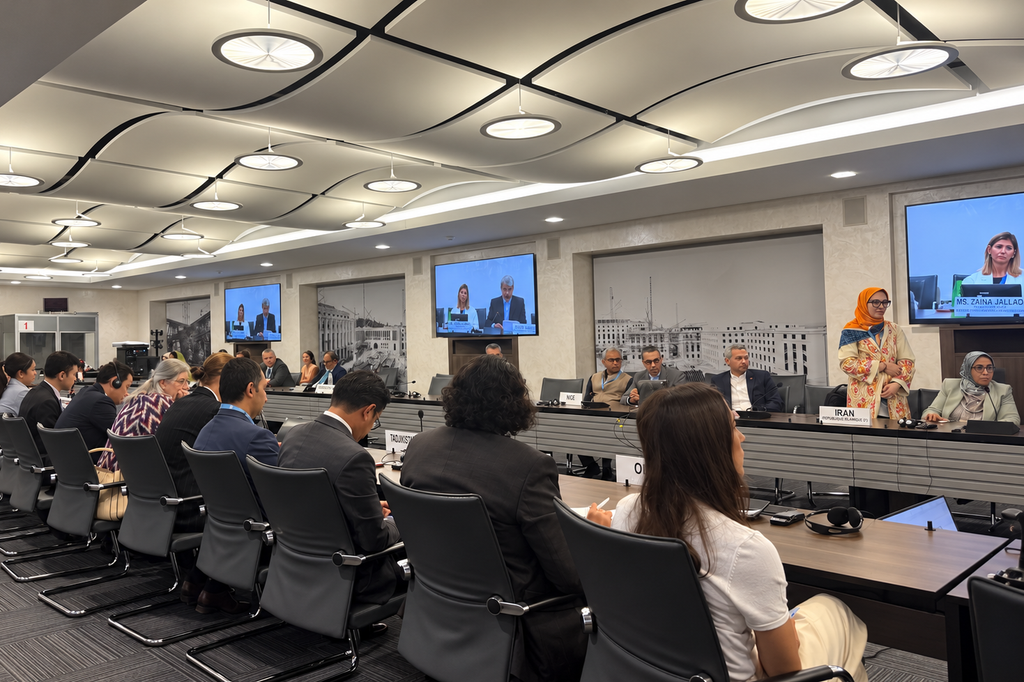
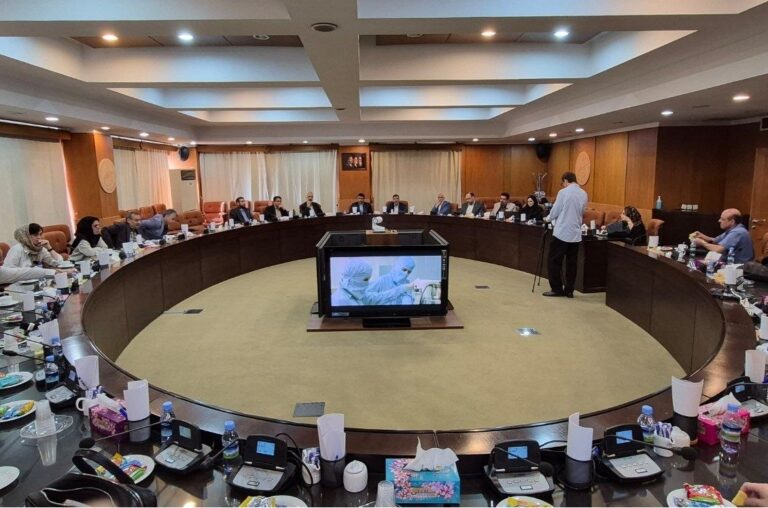
The meeting entitled “The Impact of Armed Conflicts on the Realization of the Right to Development” was held on 8 September 2026, on the sidelines of the 63rd session of the United Nations Human Rights Council, at the Palais des Nations in Geneva. It was hosted by the Permanent Mission of the Islamic Republic of Iran to the United Nations Office and other international organizations in Geneva.
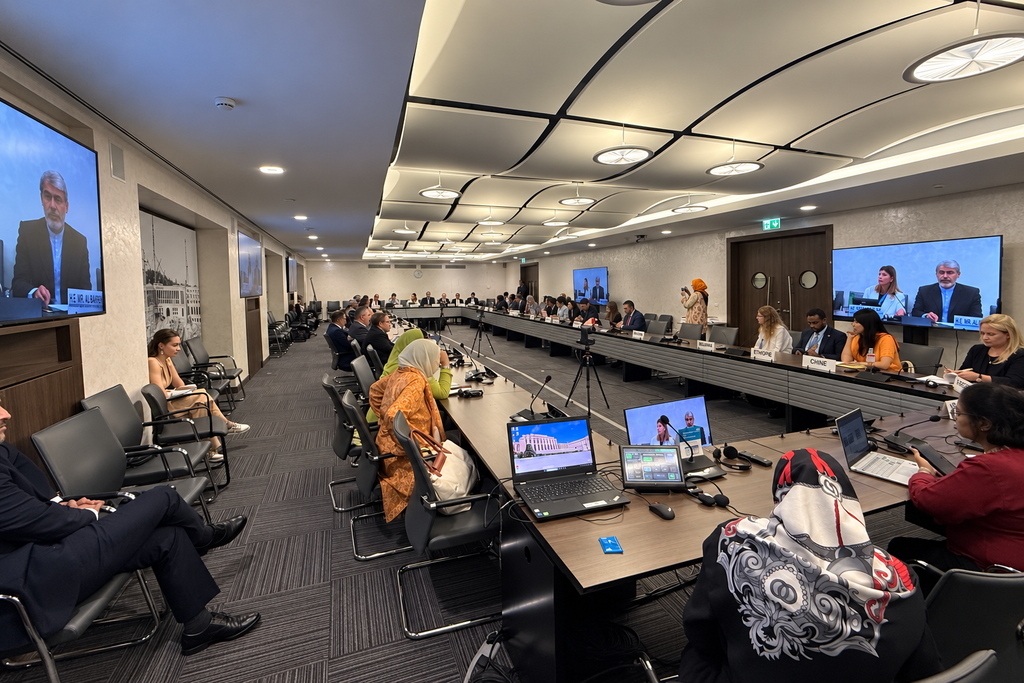
Surya Deva, United Nations Special Rapporteur on the Right to Development; Zeina Jallad, United Nations Special Rapporteur on Missing Persons; George Katrougalos, United Nations Independent Expert on the Promotion of a Democratic and Equitable International Order; Marco Sassòli, Honorary Professor at the University of Geneva; and Carlos Maria Correa, Executive Director of the South Centre in Geneva, were among the participants in the meeting.
The meeting focused on protecting critical infrastructure, preserving development gains, examining the impact of wars and armed conflicts on countries’ development processes and people’s lives, and exploring ways to safeguard countries’ critical infrastructure during wartime. The Iranian delegation outlined the various dimensions and consequences of the military aggression against Iran.
Iran Emphasizes Preventive Approaches
Dr. Ali Bahreini, Ambassador and Permanent Representative of the Islamic Republic of Iran to the United Nations Office in Geneva, highlighted the devastating consequences of military aggression and stressed the need to strengthen the international community’s deterrent role and move towards adopting preventive approaches.
Raising the question of how the international community could prevent such crises and their far-reaching consequences through preventive measures, he stated that the international community should not wait until a crisis occurs before taking action.
The Ambassador and Permanent Representative of the Islamic Republic of Iran in Geneva added that preventive laws and policies must be put in place to protect societies from the devastating consequences of aggression and military crises.
Damage to Cultural Heritage and Educational Institutions
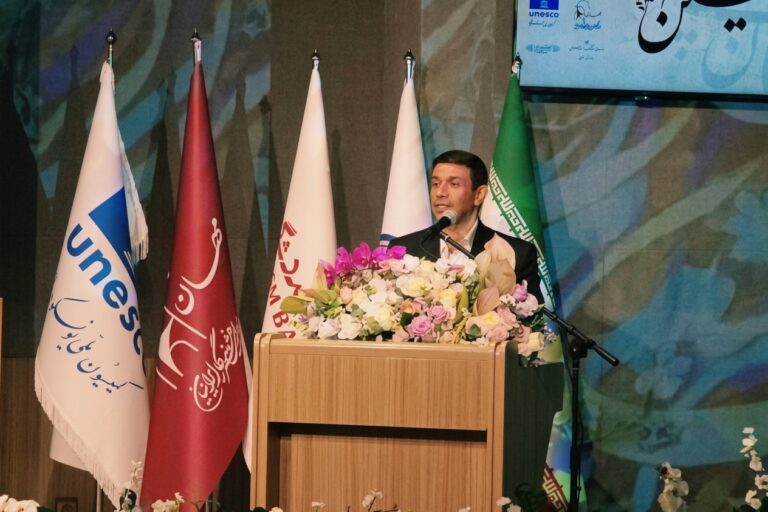
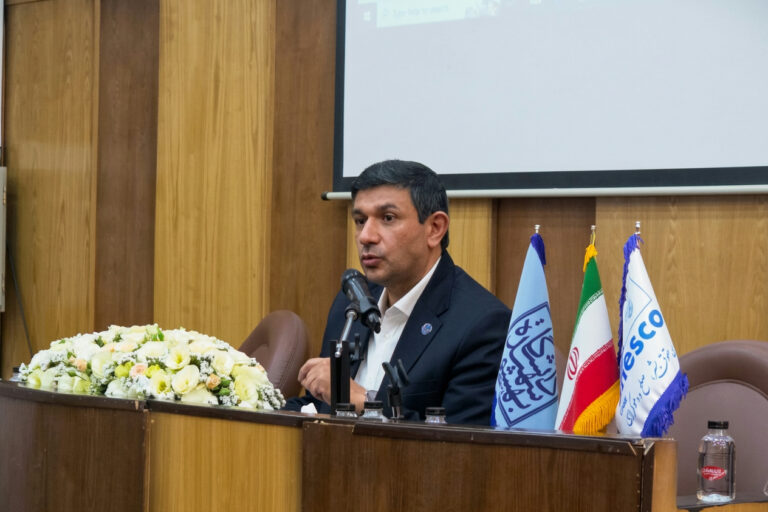
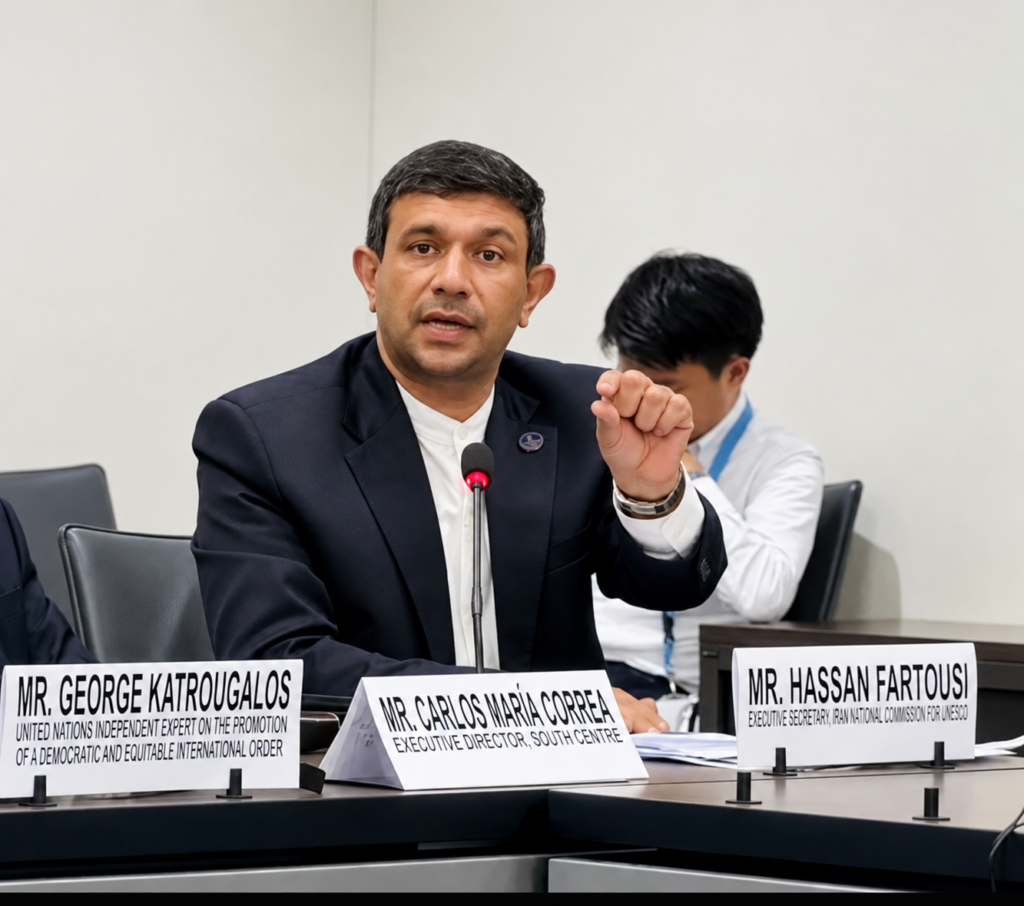
Continuing the discussion, Dr. Hassan Fartousi, Secretary-General of Iran’s National Commission for UNESCO, presented a visual report documenting the devastating effects of the war in Iran and outlined the situation and its adverse consequences. He stated that the impact of these conflicts had extended far beyond human casualties.
Referring to the damage inflicted on educational, scientific and cultural infrastructure, as well as the environment, he spoke of the destruction of schools, universities, scientific and educational institutions, and damage to infrastructure and facilities targeted during the bombing.
The Secretary-General of Iran’s National Commission for UNESCO also highlighted the damage to libraries and, in particular, to historical and cultural heritage. Describing the extent of the destruction caused by the war, he examined the situation in several areas and the consequences of the aggression for essential infrastructure and the country’s development gains.
Referring also to the Minab tragedy, Dr. Fartousi underscored the far-reaching consequences of war and its impact on people’s lives.
He added that significant damage had been inflicted on cultural heritage, educational institutions and cultural centers in five cities—Sanandaj, Kermanshah, Khorramabad, Isfahan and Tehran—and that some buildings had been completely destroyed.
Efforts to Bring the Damage to the Attention of International Forums
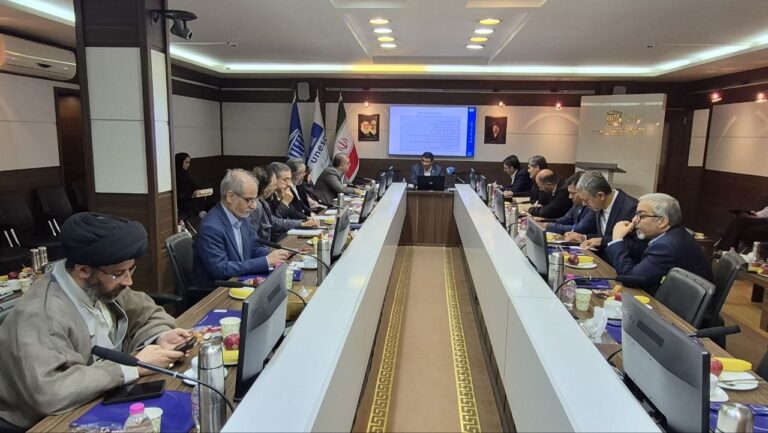
The Secretary-General of Iran’s National Commission for UNESCO also announced that the Commission was making efforts to bring the full extent of the damage to the attention of international forums.
Dr. Fartousi stated that Iran’s National Commission for UNESCO had sought to present the impact and consequences of the recent imposed war on the cultural heritage of the Islamic Republic of Iran at the session of the UNESCO World Heritage Committee in Busan, Republic of Korea.
He explained that the aim of this initiative was to raise global awareness of the scale of the destruction and the consequences of military aggression against a country’s cultural and historical heritage.
Emphasis on Protecting Critical Infrastructure and Development Gains
One of the main themes of the meeting was examining the impact of armed conflicts on the realization of the right to development and the need to protect countries’ critical infrastructure. It was emphasized that wars and armed conflicts can seriously disrupt countries’ development processes and undermine the gains of years of development efforts by destroying essential infrastructure, including hospitals, power plants, water and electricity networks, schools and other vital facilities.
On this basis, participants discussed and exchanged views on the need to strengthen international mechanisms for protecting critical infrastructure and preventing the devastating effects of war from continuing to undermine countries’ development and people’s lives.