Minister of Science: Iran Must Adopt an Active Approach to Its Engagement with UNESCO / Secretary-General of the Iranian National Commission for UNESCO: Revitalizing the Commission’s Structure and Mission Is Our Priority
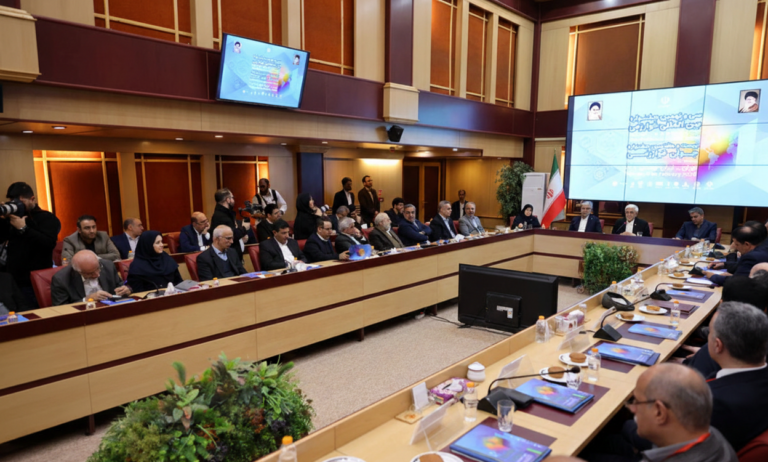
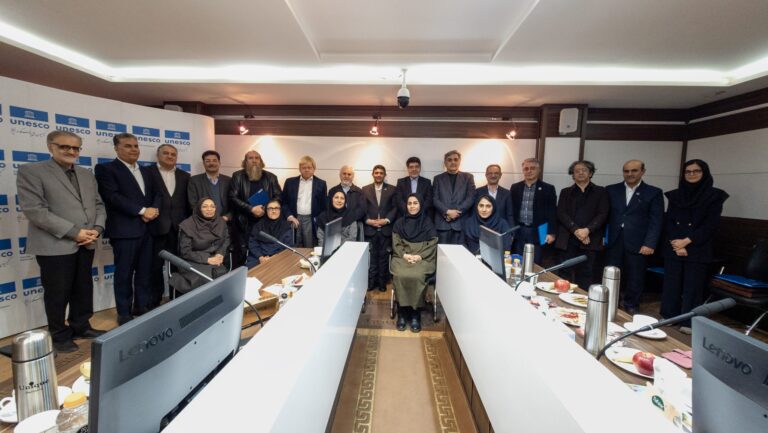
| The meeting of the Supreme Council of the Iranian National Commission for UNESCO was held with the participation of individual and institutional members. The meeting emphasized the need to redefine Iran’s position in international organizations and to actively leverage UNESCO’s capacities in the country. |
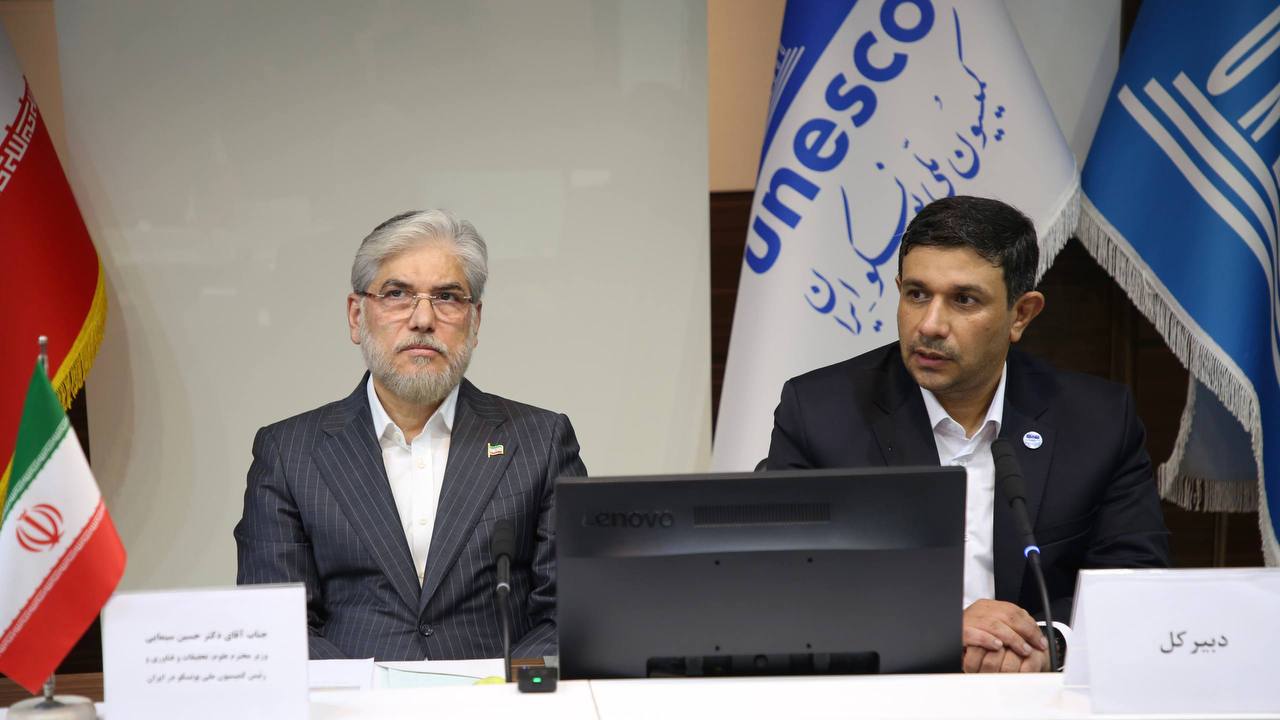
Dr. Hossein Simaei, Minister of Science, Research and Technology and President of the Iranian National Commission for UNESCO, opened the meeting by thanking the individual and institutional members of the Supreme Council for attending. Noting that UNESCO is a non-political organization with scientific, educational, and cultural mandates, he stressed the importance of the Islamic Republic of Iran’s active and influential engagement with the international organization.
Referring to some of the skepticism surrounding international organizations, he emphasized that the solution was not to withdraw from these institutions and become isolated, but rather to engage actively and make use of their existing capacities. With its scientists and rich cultural heritage, Iran has the potential to play a strong role at UNESCO and should engage actively in this arena.
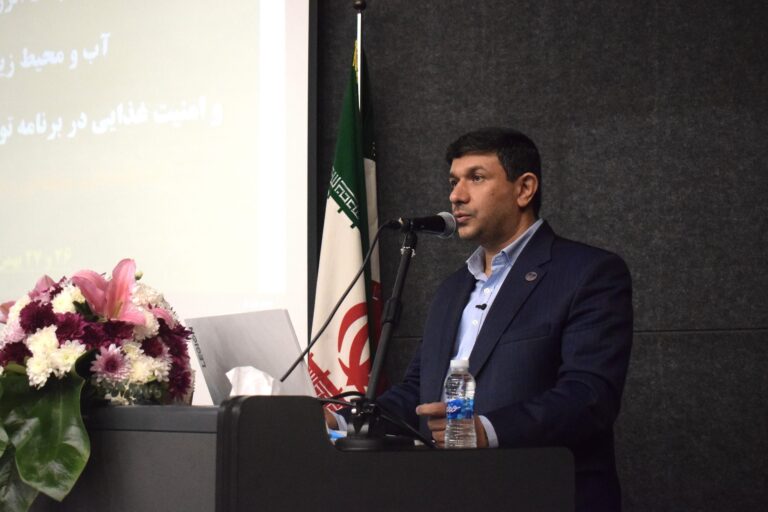
Dr. Hassan Fartousi, Secretary-General of the Iranian National Commission for UNESCO, presented a comprehensive report on the Commission’s activities over the past 11 months. He identified the establishment of 19 specialized committees, following several years of inactivity, as one of the period’s major achievements. More than 400 distinguished experts and figures from the country’s scientific and cultural communities have joined these committees to ensure that Iran’s capacities are better represented on the global stage.
Referring to the Commission’s policy of decentralizing its activities, Dr. Fartousi added that UNESCO Chairs should be expanded beyond Tehran to universities and cities across Iran, allowing national capacities to flourish more evenly and strengthening the role of the provinces in this field.
He also highlighted the achievements of Iranians internationally, citing the selection of an Iranian from among hundreds of applicants for a nine-month scholarship in Poland in archaeology and conservation, as well as an educational innovation award in China won by two Iranian researchers. He described these as examples of the country’s effective participation in international arenas.
The Minister of Science, Research and Technology then highlighted the Commission’s role in securing a UNESCO statement condemning attacks by the Israeli regime. He explained that issuing such a statement was a complex process requiring cooperation with Iran’s Permanent Delegation to UNESCO and the Ministry of Foreign Affairs. He therefore considered this action a significant achievement for the Iranian National Commission for UNESCO. According to Dr. Simaei, the UNESCO Director-General’s statement condemned the Israeli regime for its attacks on journalists. It was also noted that, in this connection, the Secretary-General of the Iranian National Commission for UNESCO had given interviews to Radio Monte Carlo, Al Jazeera Net, and China’s CCTV network.
Dr. Ahmad Pakatchi, Ambassador and Permanent Delegate of the Islamic Republic of Iran to UNESCO, presented a report on the current status of Iran’s Permanent Delegation to the organization. He identified strengthening Iran’s standing at UNESCO through active participation in meetings and influencing decisions as an achievement of the current period.
Other institutional members attending the meeting included Dr. Seyed Abbas Salehi Shariati, Minister of Culture and Islamic Guidance; Dr. Seyed Reza Salehi-Amiri, Minister of Cultural Heritage, Tourism and Handicrafts; Dr. Shina Ansari, Vice President and Head of the Department of Environment; Dr. Alireza Kazemi, Minister of Education; and Dr. Peyman Jebeli, Head of the Islamic Republic of Iran Broadcasting (IRIB). These officials highlighted several key issues, including the importance of a civilizational and living perspective on Iran; the role of the Persian language and literature as a cultural strategy in UNESCO’s activities; the need for effective information-sharing among government agencies to improve health and environmental indicators; greater cooperation in education; and broader awareness of the capacities and responsibilities of the Iranian National Commission for UNESCO.
The individual members of the Supreme Council: Ayatollah Dr. Seyed Mostafa Mohaghegh Damad, Dr. Jaleh Amouzegar, Dr. Gholam-Ali Haddad-Adel, Dr. Mohammad Javad Zarif, Dr. Fatemeh Tabatabaei, and Hesamoddin Ashna, also shared their views. Their remarks highlighted the importance of engaging younger generations and familiarizing them with global arenas to strengthen national identity. They also discussed ethics in artificial intelligence, UNESCO’s role in preventing the distortion of facts, the negative consequences of suspending the transmission of information to international organizations, and the need to address the country’s lag in this area. The mystical perspective and the concept of compassionate Islam, as well as ways to put them into practice in international activities, were also among the topics raised.
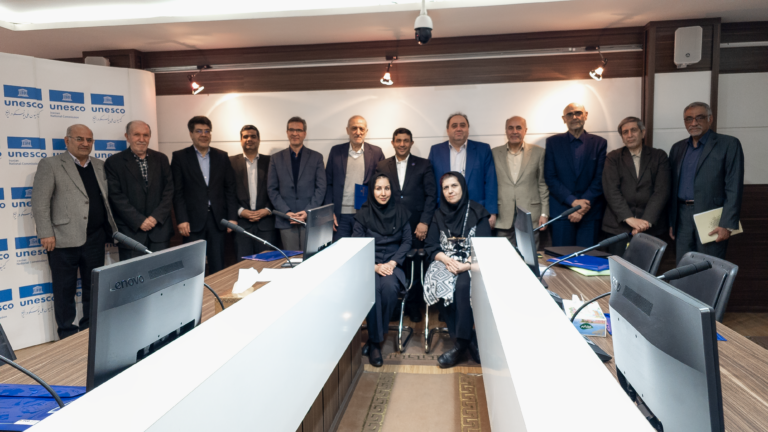
At the conclusion of the meeting, the Minister of Science, Research and Technology, in his capacity as President of the Iranian National Commission for UNESCO, presented the appointment certificates to the individual members of the Commission’s Supreme Council.