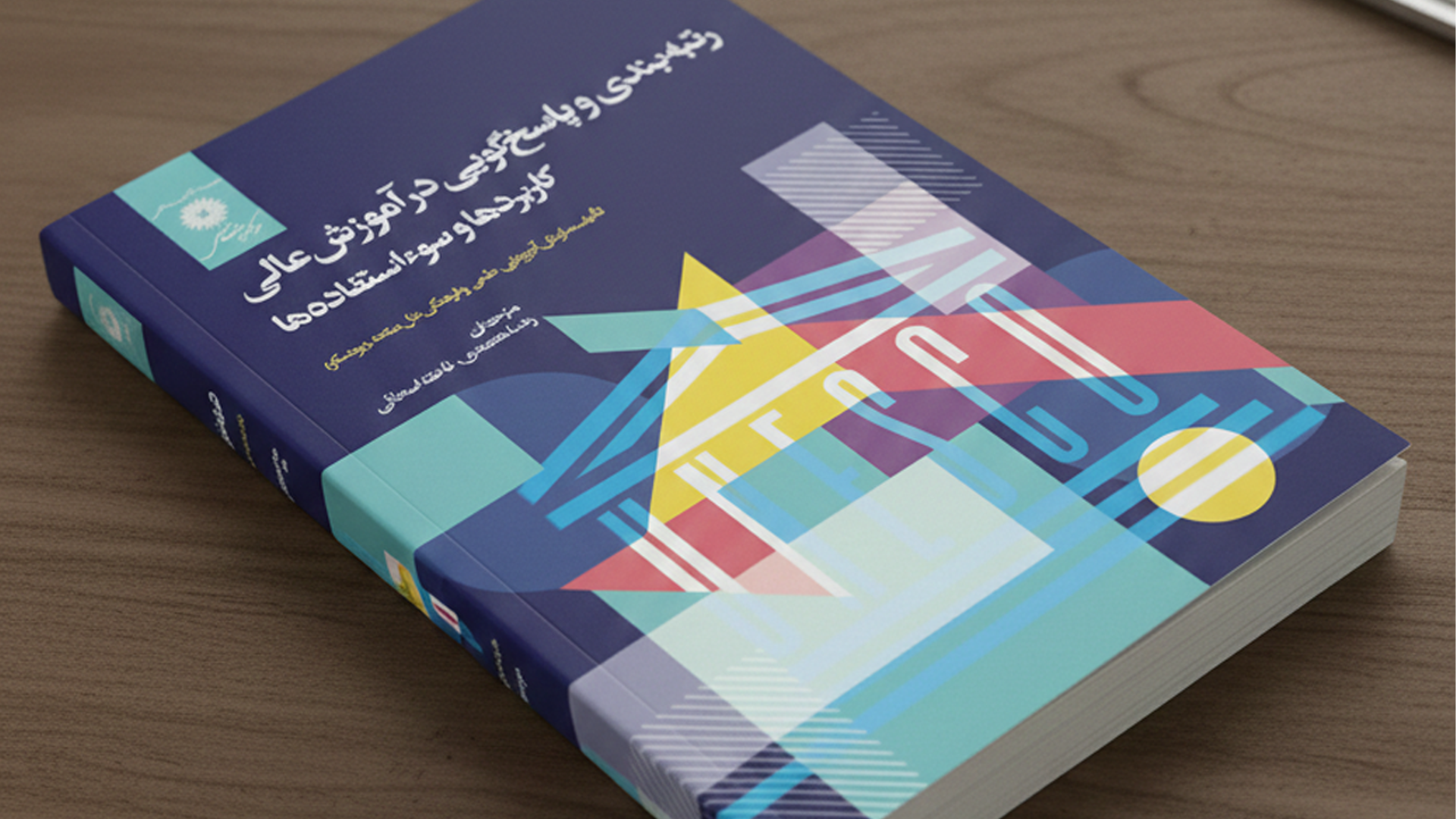
The Book Rankings and Accountability in Higher Education: Uses and Misuses Published
The book Rankings and Accountability in Higher Education: Uses and Misuses is an analytical and critical work authored by the United Nations Educational, Scientific and Cultural Organization (UNESCO). Translated by Reza Mohammadi and Fakhteh Eshaghi and published by the University Publishing Center, it examines one of the most influential yet controversial phenomena in contemporary higher education. |
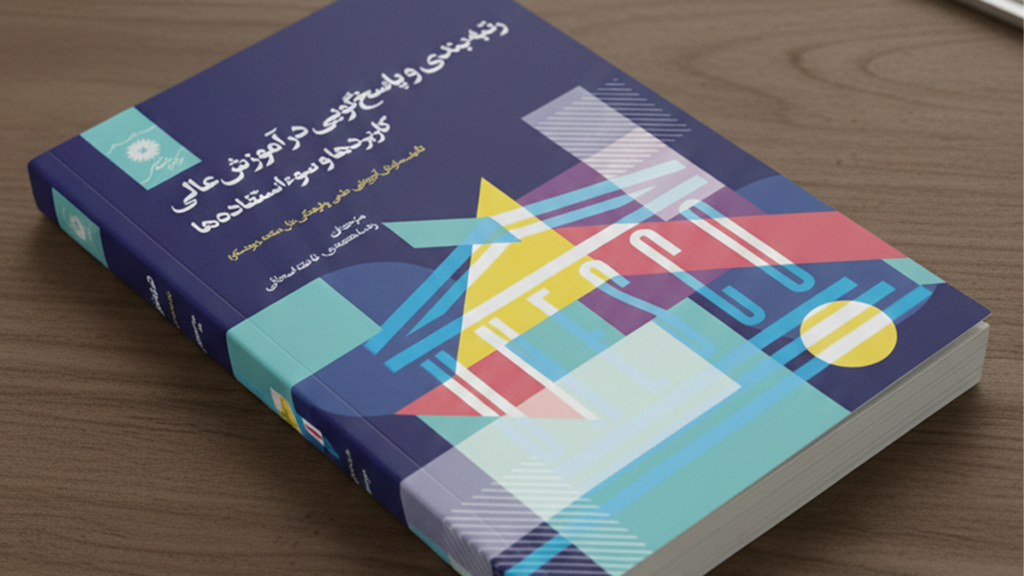
The book adopts an approach grounded in the following perspective: university rankings have evolved beyond a mere information tool and have become a decisive mechanism in higher education policymaking, student decision-making, and competition among universities at both national and international levels. Taking an analytical and critical approach, Rankings and Accountability in Higher Education: Uses and Misuses examines this phenomenon and its complex consequences. The book brings together contributions from 20 leading experts in higher education and ranking systems, explaining the principles of global rankings, common methodologies, and proposed alternative approaches.
Although global rankings cannot replace informed judgment and individual preferences, they have become an important tool in the complex process of choosing where to study. This makes their critical examination all the more important. In the introduction, Marope and Wells, the book’s authors and former members of UNESCO’s higher education division, emphasize: “The explosion of university rankings may reflect the fact that we live in a world based on comparison and ranking; a world that, in the twenty-first century, is measured by indicators and metrics more than ever before.” In their view, universities themselves have become benchmarks against which other “worlds, countries, and institutions” are compared, making the comparison and ranking of universities inevitable.
One of the book’s central themes is the dual impact of rankings on higher education. On the one hand, rankings can help improve quality, strengthen accountability, enhance strategic planning, and increase universities’ credibility and reputation. These systems also help identify potential partners for academic collaboration and attract financial resources. In many countries, governments use ranking indicators to assess performance, reform higher education systems, and allocate funding.
On the other hand, excessive emphasis on a limited set of indicators and comparisons between universities with different missions, structures, and contexts can oversimplify the complexities of higher education, divert institutions from their core missions, and deepen persistent inequalities. Since university assessments are often based on indirect indicators, the main challenge lies not only in selecting appropriate indicators but also in ensuring their validity and accuracy in measuring actual quality.
Suter, another contributor to the book, emphasizes that no existing ranking system has yet achieved a level of transparency that would enable readers to fully reproduce its results. This is largely due to the technical constraints and resources required to collect, publish, and update data. The book also features perspectives from Professor Nian Cai Liu, founder of the Shanghai Academic Ranking of World Universities, and Phil Baty, editor of the Times Higher Education rankings. While defending their respective methodologies, both authors acknowledge that no single ranking system can fully reflect the diversity of quality and missions among universities worldwide.
Ultimately, the authors stress that rankings do not provide a complete representation of universities’ actual quality, and that the selection of indicators and interpretation of results can have significant and sometimes unintended consequences. By offering a balanced, evidence-based, and multifaceted analysis, this work serves as a valuable resource for policymakers, higher education administrators, researchers, and anyone seeking a deeper understanding of the role and place of rankings in the future of higher education.