

The “Kermanshah, Creative City of Gastronomy” Festival Was Held in the Presence of the Secretary-General of the Iranian National Commission for UNESCO.
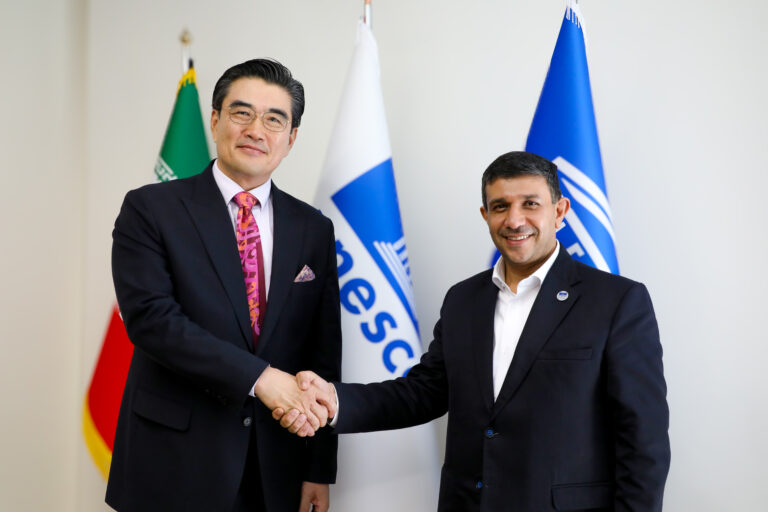
| Dr. Hassan Fartousi, Secretary-General of the Iranian National Commission for UNESCO, speaking at the meeting with the mayors and managers of Iran’s Creative Cities, held on the sidelines of the Kermanshah Festival, the second Creative City of Gastronomy in Iran, highlighted Kermanshah’s significant potential in the field of tourism and stated: “We must introduce Iran’s beauty and potential in the fields of culture and creativity to the world.” He added: “In the area of Creative Cities, the responsibility of the Iranian National Commission for UNESCO is to strengthen and coordinate.” |


The Kermanshah Creative City of Gastronomy Festival, together with a meeting of the Secretary-General of the Iranian National Commission for UNESCO and the mayors of Creative Cities, was held in Kermanshah on 12 and 13 December 2024. The event was attended by the mayors and representatives of Iran’s Creative Cities, food bloggers, food industry managers and restaurant owners.
The festival, which showcased aspects of Iran’s rich culture and culinary arts, offered participants the opportunity to sample more than 100 different types of food, including sweets, appetizers, main dishes and a variety of beverages.
The United Nations Educational, Scientific and Cultural Organization (UNESCO) established the Creative Cities Network in 2004 to promote cooperation among cities that use creativity as a strategic factor for sustainable urban development. It is worth noting that, to date, 350 cities around the world have joined the Network across seven creative fields: Crafts and Folk Art, Media Arts, Film, Design, Gastronomy, Literature and Music.
Dr. Hassan Fartousi, Secretary-General of the Iranian National Commission for UNESCO, speaking at the meeting with the mayors and managers of Iran’s Creative Cities, held on the sidelines of the Kermanshah Festival, the fourth Creative City of Gastronomy in Iran, highlighted Kermanshah’s significant potential in the field of tourism and stated: “Iran’s cultural beauty and potential must be introduced to the world.” He added: “In the area of Creative Cities, the responsibility of the Iranian National Commission for UNESCO is to strengthen and coordinate.”
Regarding the proposal put forward by the Mayor of Kermanshah to establish a permanent secretariat for Creative Cities in Kermanshah, he said: “If there is consensus on this proposal, its establishment will be supported. At the same time, the Iranian National Commission for UNESCO is ready to hold various meetings to consider other proposals and address the obstacles and challenges involved.”
The Secretary-General of the Iranian National Commission for UNESCO also stated that there should be healthy competition among Creative Cities in presenting and showcasing Iran’s creativity. He said: “We support the Creative Cities, and our approach is to work towards bringing honor to the Islamic Republic of Iran.”
Fartousi said that peace and fraternity are the message pursued by Iran; peace based on dialogue and mutual understanding. He added that cultural, linguistic and ethnic diversity is encouraged and supported by UNESCO and governments. Fartousi also identified strengthening relations with the National Commissions for UNESCO in other countries as one of the priorities of the Iranian National Commission for UNESCO, describing these relations as an important and essential factor in advancing the country’s cultural diplomacy.
Regarding the role of the Ministry of the Interior in advancing the Creative Cities program, he stated that the Ministry of the Interior is well aware of the importance of the participation of Creative Cities in the global network and will be a major supporter in facilitating this process.
Referring to the difficulties faced by mayors in undertaking international travel, Fartousi said that a distinction should be made between municipalities’ international travel and travel related to Creative Cities, adding that the Commission would pursue this matter through the relevant institutions. He stated that the Ministry of the Interior should support this initiative and that mechanisms should be put in place to facilitate matters related to Creative Cities so that administrative procedures can be carried out more efficiently.
He noted that there are many applications for inscription on the UNESCO Creative Cities Network and that UNESCO is therefore seeking to remove inactive cities from the Network. He added: “There are only 50 Creative Cities of Gastronomy in the world, and efforts should now be made to introduce Iran’s two Creative Cities of Gastronomy more effectively to the world, so that Iran’s potential and creativity can be brought to greater international attention.”
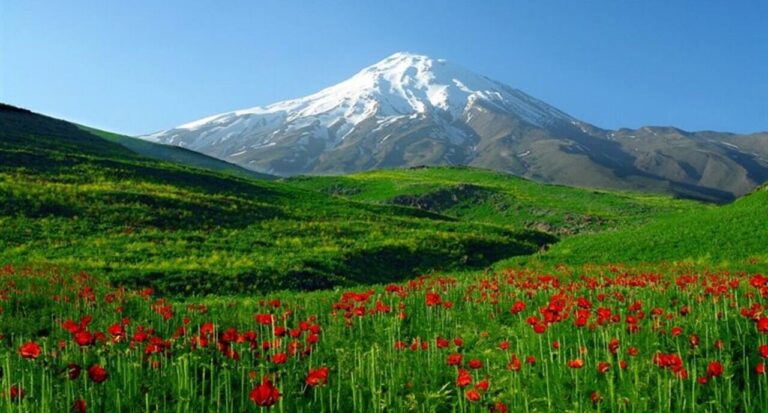
The Secretary-General of the Iranian National Commission for UNESCO added that Iran is a country of four seasons and that efforts should be made to showcase the beauty of the country. In conclusion, referring to Kermanshah’s designation as a Creative City of Gastronomy and its potential to attain a stronger position in tourism, Fartousi emphasized: “It would be beneficial for Creative Cities of Gastronomy to focus on organic foods in the area of health, as this would help the Creative City shine.”
Announcement of Kermanshah’s Readiness to Host the Permanent Secretariat of Iran’s Creative Cities

At the meeting, Dr. Nader Norouzi, Mayor of Kermanshah, announced the city’s readiness to host the permanent secretariat of Iran’s Creative Cities and stated: “Urban diplomacy is important and essential, and greater attention to it can open a new avenue for engagement with the world.”
He noted that the Creative City of Gastronomy provides a valuable opportunity for exchanging experiences and views and contributes to cultural development. He added: “Our activities began in 2022 with the installation of a plaque, and Kermanshah and the other Creative Cities now have responsibilities that must be fulfilled.”
The Mayor of Kermanshah emphasized that, with the aim of developing Creative Cities, interaction between the cities and UNESCO should be strengthened. He also highlighted the importance of establishing a shared calendar and defining roles for the organization of related programs and their international promotion.
Norouzi stated that it is essential to establish a secretariat for Creative Cities to coordinate programs and facilitate the sharing of resources. He proposed that responsibility for the secretariat be assigned on a rotating basis to one of the five Creative Cities. He further proposed that the permanent secretariat of Iran’s Creative Cities be established in Kermanshah, noting that, as the largest city in western Iran, Kermanshah has significant potential due to its diverse climate and ethnic communities.
Referring to some of the challenges facing Creative Cities, the Mayor of Kermanshah said that international travel related to Creative Cities is one area that faces particular obstacles. He expressed hope that, with the assistance of the Secretary-General of the Iranian National Commission for UNESCO and the Ministry of the Interior, these obstacles could be addressed, noting that the continuation of some of the existing procedures could result in cities being unable to participate in international programs, which would amount to absence and the loss of their designation.
Creative City of Gastronomy Contributes to Kermanshah’s Economy
Dr. Vahid Mohammadi, Deputy Governor-General of Kermanshah Province for Economic Coordination, also stated that the Creative City of Gastronomy contributes to Kermanshah’s economy and that all relevant institutions should actively support this initiative.
He noted that food tourism has been growing not only in Iran but also around the world. While some foods, such as sweets, can be offered as souvenirs, most cannot, meaning that visitors interested in experiencing the cuisine must travel to the destination itself. This, he said, represents a valuable opportunity to increase the number of tourists visiting Kermanshah, with increased tourism contributing to economic growth and higher added value.
Mohammadi emphasized that the Creative City of Gastronomy can contribute to the livelihoods of the people of Kermanshah. He continued: “Greater promotion and recognition of the Creative City of Gastronomy brand is important and essential. The Municipality of Kermanshah and its Cultural, Social and Sports Organization, as the secretariat of the Creative City of Gastronomy, have taken valuable steps in this regard by organizing a range of festivals, which are commendable and should continue.”
The Deputy Governor-General of Kermanshah Province for Economic Coordination stated that Kermanshah had experienced greater dynamism and vitality since receiving the Creative City of Gastronomy designation, and that this had contributed to the growth of the city’s economy.
Hashem Darvishi, Chairman of the Islamic City Council of Kermanshah, also stated at the meeting that the Creative City of Gastronomy is important for the development of the urban economy. He noted that food is among the world’s highest-revenue industries and, except during periods of severe disruption caused by the COVID-19 pandemic, has not experienced an economic downturn. He stated that between 2015 and 2024, the sector generated USD 3.5 billion in added value and grew by 7.5 per cent annually. He added that when a city becomes a travel destination, food is an important and essential consideration for tourists, as, in addition to generating direct added value, the supply of food also contributes indirectly to economic growth.
The Chairman of the Islamic City Council of Kermanshah continued that some people mistakenly believe that municipalities are concerned only with urban development and construction, whereas culture is a broad field, and the Creative City of Gastronomy is one of its components.
He stated that the Creative City of Gastronomy should not be treated as a ceremonial designation and emphasized that both the public and private sectors should actively engage with the initiative, as it contributes to the vitality and development of the city.
During the event, restaurant owners, food bloggers, food industry managers and other successful figures in the food industry were honoured and presented with awards.
It is worth noting that Iranian cities have been members of the UNESCO Creative Cities Network since 2015. However, no secretariat had previously been established to coordinate and facilitate the activities of the Network. One of the objectives of the Secretary-General of the Iranian National Commission for UNESCO during this visit was to examine and assess the establishment of a permanent secretariat for Iran’s Creative Cities, coordinated by the Iranian National Commission for UNESCO.
He also met with domestic and international private-sector entrepreneurs active in the food sector. The meeting was welcomed by private-sector representatives interested in investing in and strengthening food tourism infrastructure in Kermanshah. The Secretary-General of the Iranian National Commission for UNESCO also discussed the importance of the Creative Cities Network and its positive prospects for member cities, particularly Kermanshah, which holds particular significance in western Iran, in a television interview.
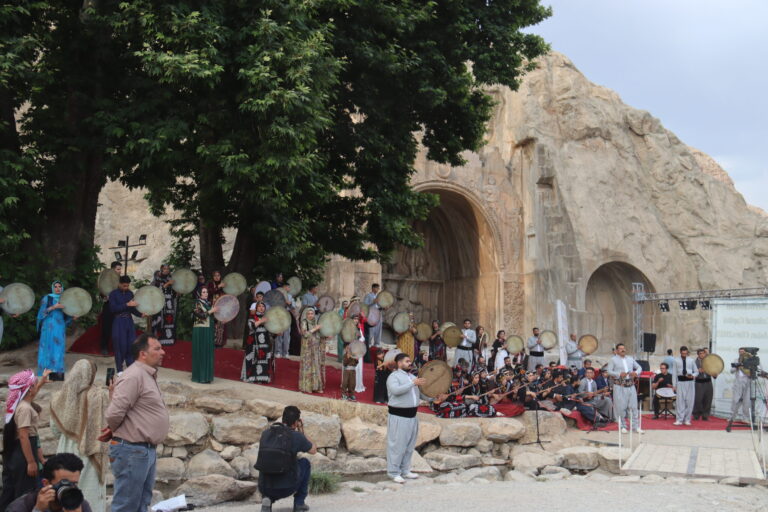
Fartousi visited the historic site of Bisotun, which was inscribed on the UNESCO World Heritage List in 2006 as Iran’s eighth World Heritage property. During the visit, he offered recommendations on safeguarding the site and strengthening creative tourism centred on the cultural heritage of the area.