UNESCO Director-General Warns of Threats to Glaciers and Their Implications for Global Water Resources
| In a message marking World Glacier Day (21 March 2026), the Director-General of UNESCO highlighted the alarming decline of glaciers and stressed the need for global action to protect these vital resources and support the communities that depend on them. |
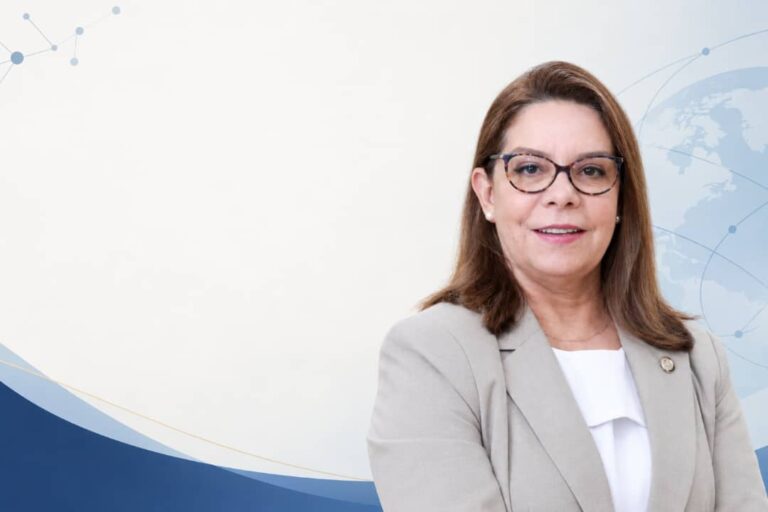
In his message on the occasion of World Day for Glaciers (21 March 2026), Dr. Khaled El-Enany, Director-General of UNESCO, stated:
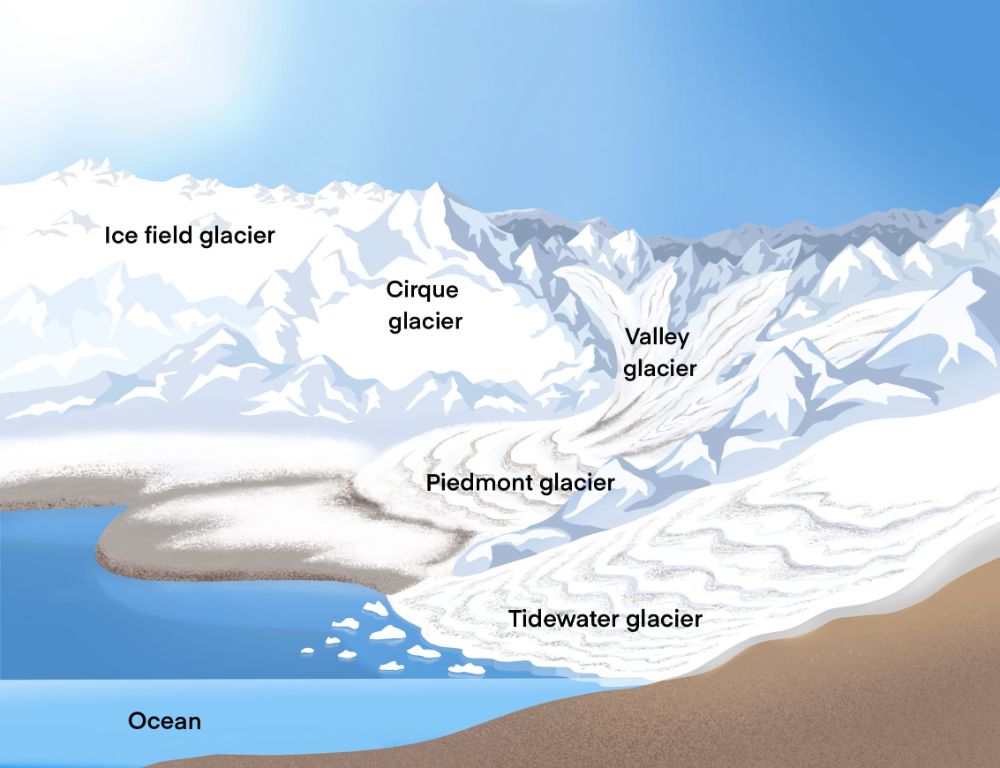
Our planet is home to approximately 275,000 glaciers worldwide. These vast masses of ice are far more than frozen landscapes. Together with ice sheets, permafrost, and snow, they store approximately 70% of the Earth’s freshwater and sustain communities, economies, and ecosystems around the world.
Yet these reserves are shrinking at an alarming rate. More than 35,000 glaciers have been identified across over 110 UNESCO sites, and all of them face serious threats. Some projections suggest that glaciers could disappear from one-third of these sites, including all glaciers in Africa. This retreat increases the risks of landslides, avalanches, glacial lake outburst floods, and flooding, while placing additional pressure on water resources that are already under strain.
For this reason, glacier protection has been at the heart of UNESCO’s work for more than 60 years. Through science, support for communities, and international cooperation, UNESCO has monitored changes in glaciers and stood alongside the communities most vulnerable to their loss.
Last year, this commitment reached a new milestone. During the International Year of Glaciers’ Preservation, UNESCO helped raise global awareness of the impact of climate change on our frozen world by commemorating the first World Day for Glaciers on 21 March and publishing the United Nations World Water Development Report 2025. These efforts also brought much-needed political attention to mountains and glaciers.
Today, we are expanding this work through the Decade of Action for Cryospheric Sciences (2025–2034), launched by UNESCO and the United Nations. The initiative aims to strengthen long-term observations, improve early warning systems, expand scientific cooperation, and support communities most exposed to glacier loss.
These efforts are already underway. In the Kilimanjaro region, for example, UNESCO is supporting aquifer mapping, monitoring systems, and capacity-building initiatives that will help strengthen water security for more than two million people in Kenya and Tanzania. From Central Asia to East Africa, our objective is clear: to translate scientific knowledge into early warnings, risk reduction, and better protection for people.
On this World Day for Glaciers, let us reaffirm our shared responsibility to protect glaciers and all the lives that depend on them.