

Global UNESCO Dialogue on Science Diplomacy with the Participation of the Minister of Science and the Secretary-General of the Iranian National Commission for UNESCO
| Minister of Science, Research and Technology of the Islamic Republic of Iran at the UNESCO Global Dialogue on Science Diplomacy: Iran at the Forefront of Using Science Diplomacy to Address Global Challenges / Secretary-General of the Iranian National Commission for UNESCO: Leveraging Regional Scientific Capacities as a Foundation for Expanding Joint Scientific Research and Developing International Cooperation |
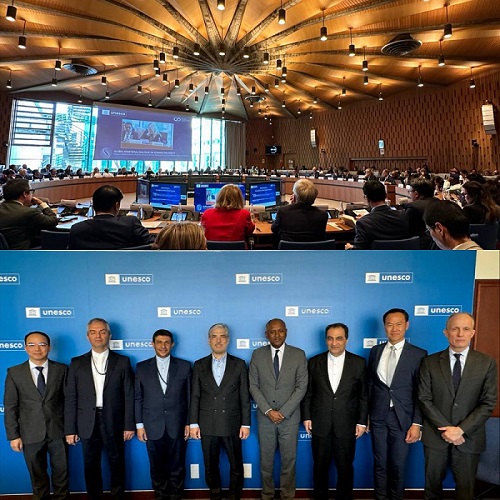
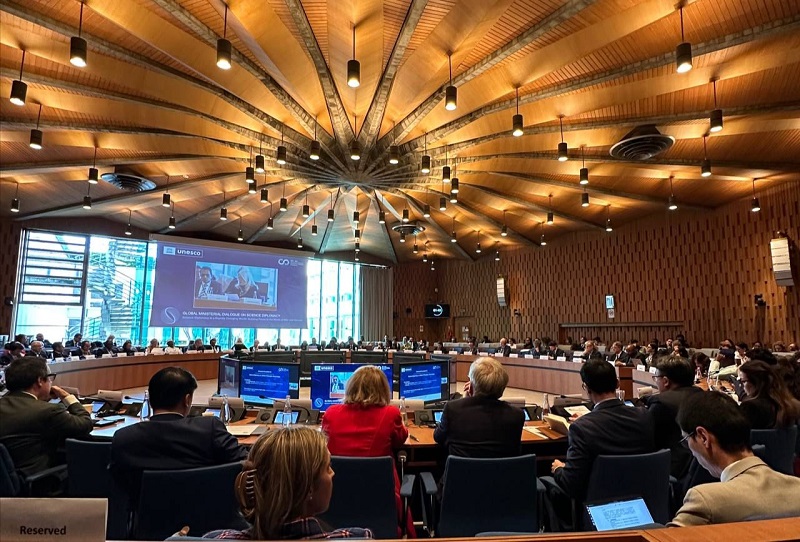
The Global Ministerial Dialogue on Science Diplomacy, entitled “Science Diplomacy in a Changing World: Building Peace in the Minds of Men and Women”, was held from 25 to 27 March 2025, with the participation of Dr. Hossein Simaei-Sarraf, Minister of Science, Research and Technology of the Islamic Republic of Iran and President of the Iranian National Commission for UNESCO; Dr. Hasan Fartousi, Secretary-General of the Iranian National Commission for UNESCO and Deputy Minister of Science; Dr. Ahmad Paketchi, Ambassador and Permanent Delegate of the Islamic Republic of Iran to UNESCO; and Dr. Amirabbas Lotfi, representative of the Ministry of Foreign Affairs at UNESCO Headquarters in Paris. During the meeting, Dr. Simaei-Sarraf, Minister of Science and President of the Iranian National Commission for UNESCO, delivered key statements on behalf of the Islamic Republic of Iran, highlighting the role of science diplomacy in managing global crises, advancing emerging technologies and promoting peace at the global level.
Iran’s Participation in Global Science Diplomacy Dialogues
At the UNESCO Global Dialogue on Science Diplomacy, Dr. Hossein Simaei-Sarraf, Minister of Science of Iran, actively participated in various round-table discussions and delivered three key statements in the main plenary session. The statements addressed important topics, including “Modern Science Diplomacy to Address the Challenges of the 21st Century”, “The Role of Science Diplomacy in Promoting an Open Approach and Ensuring Security in Scientific Research”, and “The Role of Science Diplomacy in Expanding Equitable Cooperation for the Responsible Development and Use of Emerging and New Technologies”, clearly setting out the positions of the Islamic Republic of Iran on these issues.
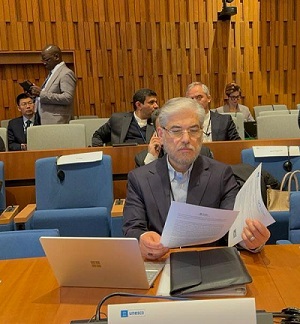
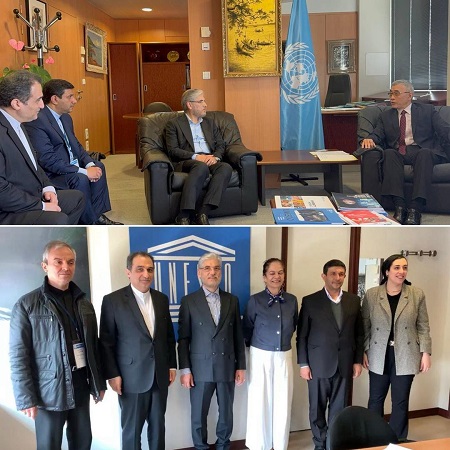
Meetings of the Iranian Minister of Science and the Secretary-General of the Iranian National Commission for UNESCO with UNESCO Officials on the Sidelines of the Dialogue
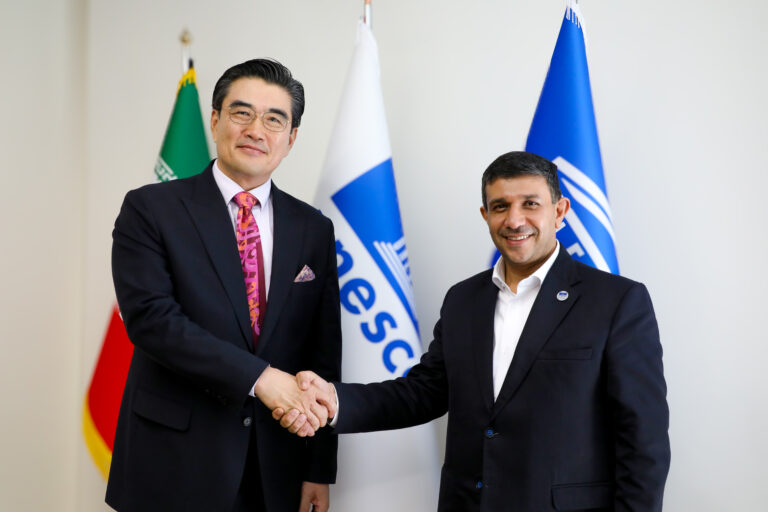
On the sidelines of the dialogue, Dr. Hossein Simaei-Sarraf, Minister of Science, Research and Technology and President of the Iranian National Commission for UNESCO, accompanied by Dr. Hasan Fartousi, Secretary-General of the Iranian National Commission for UNESCO; Dr. Ahmad Paketchi, Ambassador and Permanent Delegate of the Islamic Republic of Iran to UNESCO; and Dr. Amirabbas Lotfi, representative of the Ministry of Foreign Affairs, held meetings and discussions with senior UNESCO officials, including Mr. Xing Qu, Deputy Director-General of UNESCO; Ms. Lidia Brito, Assistant Director-General for Natural Sciences; Ms. Stefania Giannini, Assistant Director-General for Education; and Mr. Matanko, Assistant Director-General for External Relations.
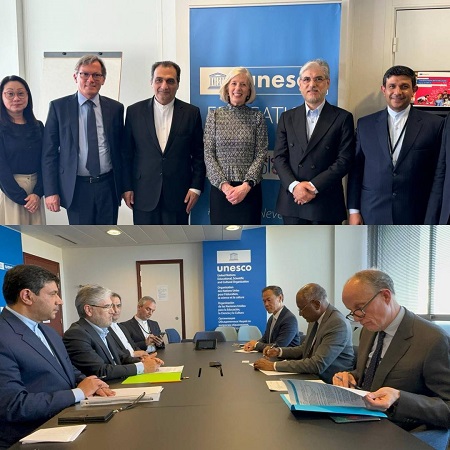
During these meetings, the two sides emphasized the promotion of international cooperation in science and education, the strengthening of scientific ties between Iran and UNESCO, as well as the quantitative and qualitative expansion of educational cooperation and the strengthening of UNESCO Chairs and other areas of mutual scientific interest and opportunities for cooperation. In addition, during the meeting with Ms. Brito, an agreement to renew the UNESCO Category 2 Centre in the field of oceanography was signed by the two sides.
Ministerial Statement: Science Diplomacy as a New Instrument for Peace and Sustainable Development in Today’s Turbulent World
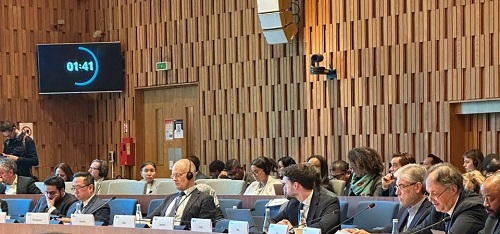
At the Global Ministerial Dialogue held on 26 March 2025 at UNESCO Headquarters in Paris, the role of science diplomacy in addressing complex global challenges was examined and underscored. The dialogue was held within the framework of the International Decade of Sciences for Sustainable Development (2024–2033), with high-level representatives emphasizing the need to strengthen the links between science and foreign policy.
In the final statement of the meeting, the ministers, referring to a changing world confronted with geopolitical tensions, the rapid advancement of technology and growing pressure on natural resources, emphasized the importance of science diplomacy in fostering dialogue, strengthening public trust in science, promoting international cooperation and narrowing technological divides.
They described science as a “common language of nations” and highlighted its role in accelerating sustainable development, advancing human rights and promoting peace. They also identified adherence to the principles of “Open Science” and ensuring the inclusive participation of all countries in science diplomacy processes as prerequisites for achieving global objectives.
Call on UNESCO for Institutional and International Support
The Ministers called on UNESCO, in cooperation with United Nations agencies, scientific centres, universities, the private sector and civil society, to support countries in strengthening their capacities and developing science diplomacy practices. They emphasized the importance of aligning science and technology policies with foreign policy objectives so that global challenges can be addressed through a coherent and collaborative approach.
Global Commitment to a Future Based on Science and Dialogue
At the conclusion of the meeting, the countries reaffirmed their commitment to strengthening the role of science in international policymaking and called for science diplomacy to be used as a bridge for advancing peace, global cooperation and sustainable development.
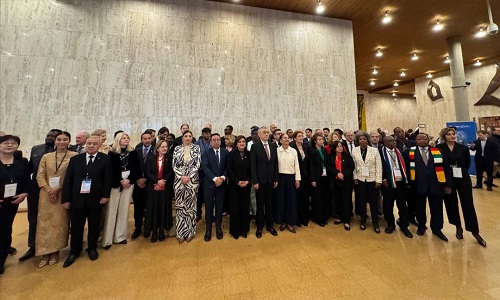
Meetings with Iranian Professors Living Abroad and with Ambassadors and Officials from Iran and Other Countries
During their stay in Paris, Dr. Hossein Simaei-Sarraf, Minister of Science, Research and Technology and President of the Iranian National Commission for UNESCO, accompanied by Dr. Hasan Fartousi, Secretary-General of the Iranian National Commission for UNESCO; Dr. Ahmad Paketchi, Ambassador and Permanent Delegate of the Islamic Republic of Iran to UNESCO; and Dr. Amirabbas Lotfi, representative of the Ministry of Foreign Affairs, met with a number of Iranian professors residing in France and Germany and listened to their views on their scientific activities and achievements.
During these meetings, the Iranian Minister of Science invited Iranian professors and researchers to put forward their proposals for scientific cooperation with Iran. The professors attending the meetings welcomed scientific cooperation with Iran as a valuable opportunity, while the Minister of Science also underscored the need to reform existing regulations and address gaps in order to make greater use of the scientific capacities of Iranians living abroad.
A number of meetings were also held with ambassadors and officials from other countries, including the Minister of Science of Sri Lanka and his deputies.
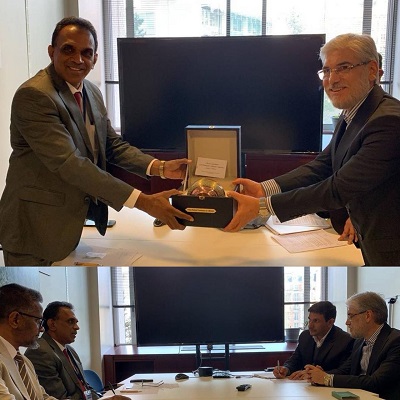
Meetings held by Dr. Simaei-Sarraf and his delegation with Dr. Mohammad Amin-Nejad, Ambassador of the Islamic Republic of Iran to France, focused on the situation of Iranians residing in France and ways to strengthen engagement with Iran, particularly in the scientific and cultural fields. Another meeting was held with Mr. Ying Serang, Head of the UNESCO Office in Tehran, and Dr. Mansour Kanani, Iran’s Scientific Counsellor and Acting Coordinator for Iranian Students in the Schengen Area, with a focus on France and Germany. The meeting addressed the situation of Iranian students residing in Europe and provided an account of the challenges they face. These meetings were among the highlights on the sidelines of the Global Dialogue.
Participation in Cultural and Scientific Events for Iranians Residing in Paris
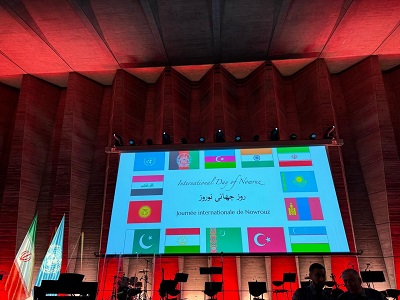
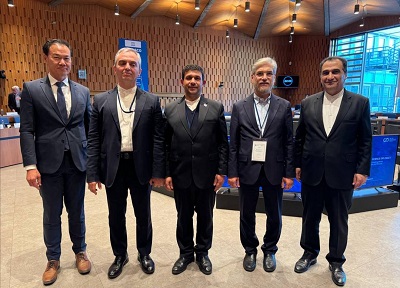
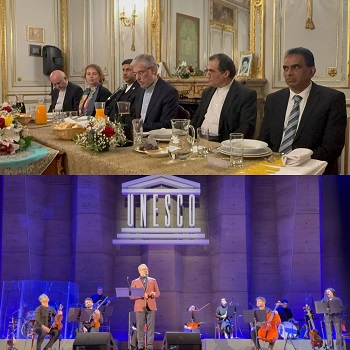
Dr. Simaei-Sarraf, accompanied by Dr. Fartousi, Dr. Paketchi and Dr. Lotfi, participated in various cultural events, including the Embassy’s Nowruz and Iftar reception organized by Dr. Mohammad Amin-Nejad, Ambassador of the Islamic Republic of Iran to France, as well as the Nowruz and Iftar reception for Iranians residing in Paris, organized by Dr. Paketchi.
The delegation of the Islamic Republic of Iran to Paris also attended a concert of traditional Iranian music performed by Iranian artist Alireza Ghorbani, organized by the Permanent Delegation of the Islamic Republic of Iran to UNESCO and the Embassy of the Islamic Republic of Iran, with the participation of a large number of Iranians residing in France and other European countries.
These programs provided an opportunity to strengthen and expand cultural and scientific ties between Iran and Iranians residing in France and other European countries. They not only served as cultural events, but also provided a valuable opportunity to showcase Iran’s rich cultural heritage on the international stage.
President of the Iranian National Commission for UNESCO Attends Quds Day Iftar Reception
Dr. Hossein Simaei-Sarraf, President of the Iranian National Commission for UNESCO, together with Dr. Hasan Fartousi, Secretary-General of the Iranian National Commission for UNESCO; Dr. Ahmad Paketchi, Ambassador and Permanent Delegate of the Islamic Republic of Iran to UNESCO; and Dr. Amirabbas Lotfi, representative of the Ministry of Foreign Affairs, attended, as guests of honor, an Iftar reception held to commemorate Quds Day, at the invitation of the Ambassador and Permanent Delegate of Iraq to UNESCO.
The event, held at the Permanent Delegation of the Republic of Iraq to UNESCO with the participation of ambassadors of Islamic and Arab countries and senior UNESCO officials, provided an important opportunity to engage with and meet representatives of Islamic and Arab countries, strengthen cultural and diplomatic ties among these countries, and expand cooperation at the UNESCO level.
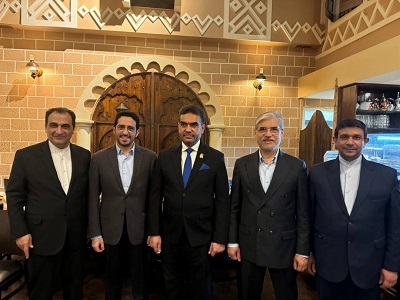
Meeting between the Secretary-General of the Iranian National Commission for UNESCO and Iraq’s Deputy Minister of Science: Strengthening Scientific and Educational Cooperation between Iran and Iraq
Dr. Hasan Fartousi, Secretary-General of the Iranian National Commission for UNESCO and Deputy Minister of Science, held a meeting with the Deputy Minister for Assessment at Iraq’s Ministry of Science to discuss strengthening scientific and educational cooperation between the two countries, particularly with regard to establishing standards for the admission of Iraqi students to Iranian universities and the dispatch of Iranian professors to universities in Iraq.
The meeting was held as part of efforts to expand scientific and research relations between Iran and Iraq and enhance educational exchanges between the two countries. During the meeting, both sides highlighted the importance of establishing joint research programs, facilitating student and faculty exchanges, and developing international cooperation. It was also proposed that specialized working groups be established to facilitate better coordination between Iranian and Iraqi universities, allowing the processes of student admission and knowledge transfer to proceed in a more coordinated manner.
Emphasizing UNESCO’s role in supporting scientific exchanges among countries, the two sides agreed on the need to establish sustainable mechanisms for strengthening university cooperation. Dr. Fartousi stressed that these interactions are expected not only to contribute to improving the quality of higher education in both countries, but also to create opportunities for expanding joint scientific research and making greater use of regional scientific capacities.
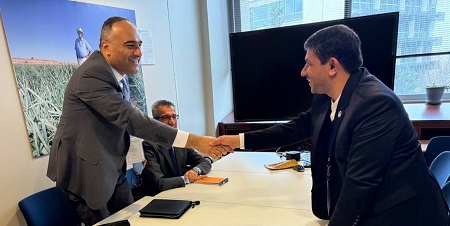
Meeting between the Secretary-General of the Iranian National Commission for UNESCO and Switzerland’s Deputy Minister of Science: Exploring Scientific and Research Cooperation between Iran and Switzerland
Dr. Hasan Fartousi, accompanied by Dr. Ahmad Paketchi, also met with Switzerland’s Deputy Minister of Science, the Ambassador of Switzerland to UNESCO, and the Secretary-General of the Swiss Commission for UNESCO. During the meeting, the two sides exchanged views on various models of scientific and research cooperation, as well as faculty and student exchanges, and explored opportunities for expanding scientific relations between the two countries.
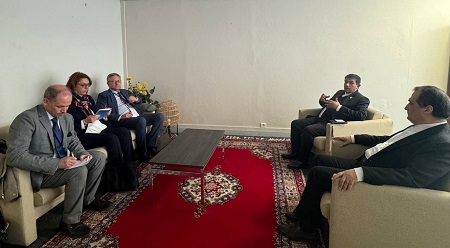
The Outlook for Science Diplomacy in Iran and the World
At the conclusion of the meeting, the Minister of Science of the Islamic Republic of Iran and the other participating ministers emphasized the importance of science diplomacy in strengthening peace and international cooperation. Held within the framework of the International Decade of Sciences for Sustainable Development (2024–2033), the Global Ministerial Dialogue focused on the role of science in international cooperation and in addressing global challenges.
The Ministerial Dialogue on Science Diplomacy at UNESCO provided an opportunity for representatives of various countries to share their experiences and strengthen scientific relations. Iran, represented by Dr. Hossein Simaei-Sarraf, Minister of Science, Dr. Hasan Fartousi, Secretary-General of the Iranian National Commission for UNESCO, Dr. Ahmad Paketchi, Ambassador and Permanent Delegate of the Islamic Republic of Iran to UNESCO, and other scientific representatives, presented its perspectives on international scientific cooperation. It is worth noting that the Iranian National Commission for UNESCO, as a bridge between the country’s scientific community and international institutions, has consistently played an important role in facilitating scientific engagement and developing joint programs.