Aligning Culture and Tourism for a Sustainable Future
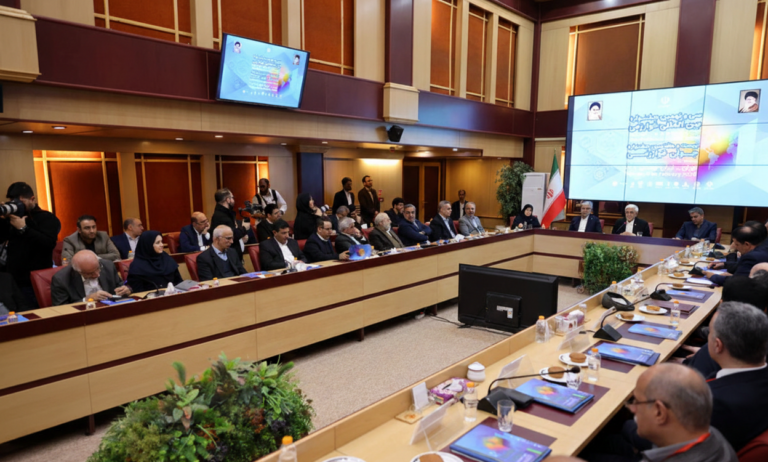
| A consultative meeting on “Aligning Sustainable Tourism and Intangible Cultural Heritage” was held at the Regional Centre for Safeguarding Intangible Cultural Heritage in West and Central Asia. |
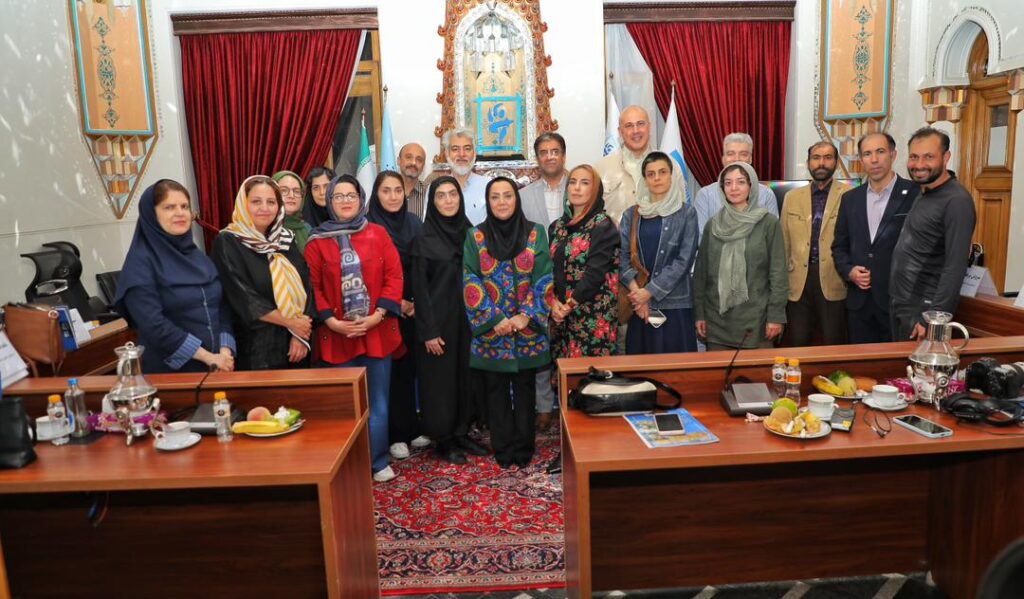
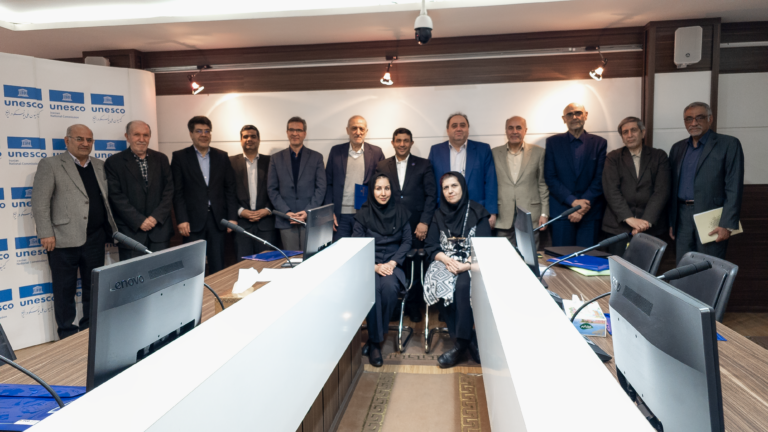
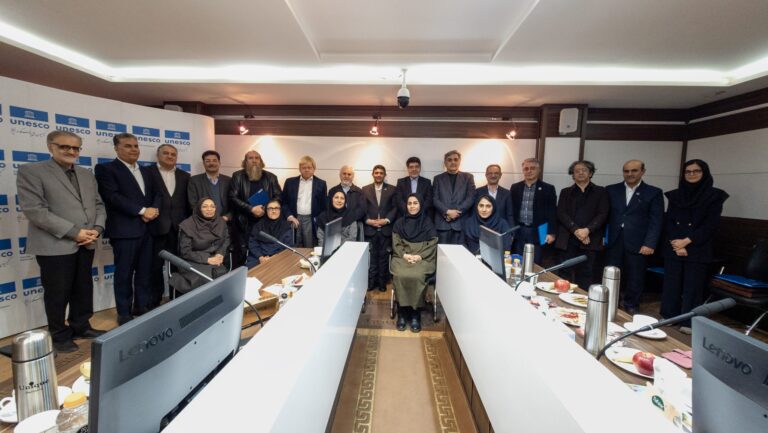
The Secretary-General of the Iranian National Commission for UNESCO and colleagues from the Culture Department participated in the first session of the “Rahava” series, entitled “Aligning Sustainable Tourism and Intangible Cultural Heritage,” held on the occasion of the International Day of Intangible Cultural Heritage (17 October) at the Regional Centre for Safeguarding Intangible Cultural Heritage in West and Central Asia, under the auspices of UNESCO.
The meeting aimed to create a space for dialogue among the fields of culture, tourism, and sustainable development, with a focus on international instruments and their implementation potential in national and regional policymaking. It also emphasized the role of living heritage in shaping a sustainable future. The session provided an opportunity to foster connections among the country’s policymaking, content development, and implementation sectors.
Referring to the MONDIACULT 2025 report and emphasizing the role of culture as a foundation for development, participants described “Rahava” as a step towards translating this vision into practice at the regional level and recognizing living culture as a key foundation for sustainability, education, and dialogue.
In line with MONDIACULT’s objectives, the Centre’s three main areas of activity are cultural dialogue and alignment, capacity-building and intercultural education, and regional research and knowledge exchange.

Culture: A Driving Force for Sustainable Development
At the opening of the meeting, Dr. Momeni, Head of the Regional Centre for Safeguarding Intangible Cultural Heritage, stated that development and economic affairs are doomed to fail if culture is disregarded. He emphasized that tourism must become a driving force for sustainable development, adding that tourism without intangible cultural heritage is condemned to visiting lifeless spaces.
Dr. Fartousi: Intangible Cultural Heritage, the Inner Voice of a Nation
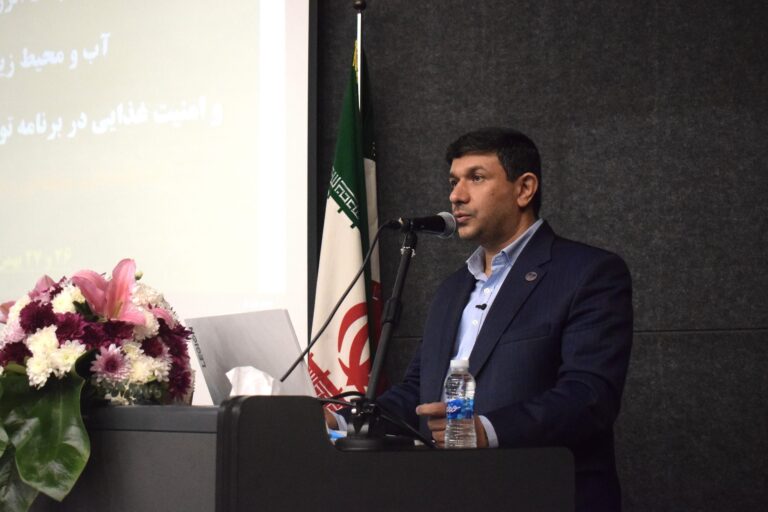
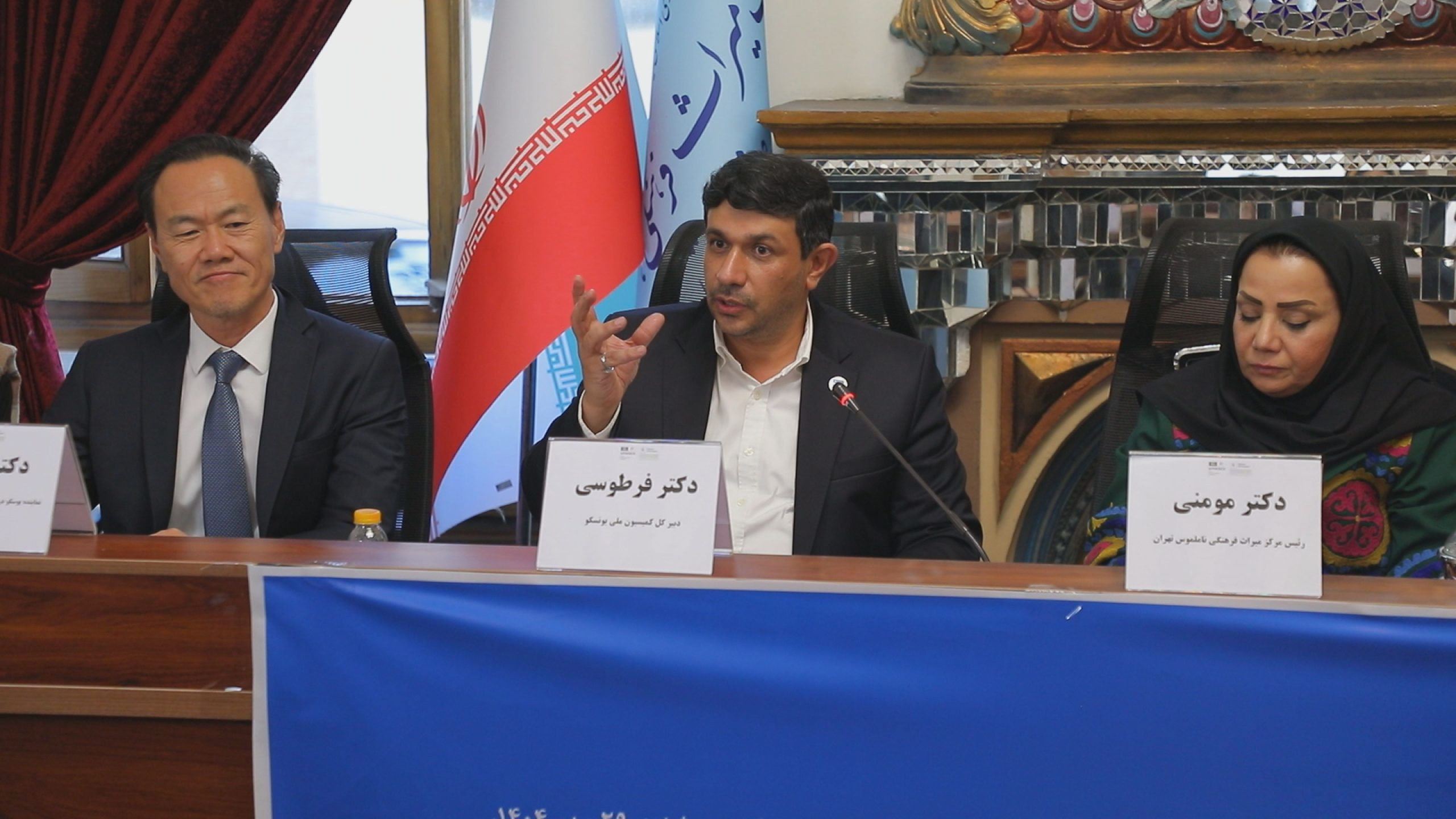
In his remarks, Dr. Hassan Fartousi, Secretary-General of the Iranian National Commission for UNESCO, referred to the 20th anniversary of the adoption of UNESCO’s 2005 Convention on the Protection and Promotion of the Diversity of Cultural Expressions and expressed regret that Iran has not yet acceded to the Convention.
He expressed hope that these meetings would provide a valuable opportunity to address the need for Iran to join the Convention.
He stated: “Intangible cultural heritage constitutes the very structure and practical expression of the concepts of identity and what it means to be human. Safeguarding it is the responsibility of every member of a nation.”
Dr. Fartousi described cultural heritage as a “strong thread” and “a voice and whisper within the soul of a nation.” He added that the enduring and living heritage of the people of Iran, who have long played a role in education, science, and culture, reflects their pride in their contribution to human civilization. The vitality of Iran’s ancient festivals, harmonized with the rhythms of nature, now inspires people around the world to join in their celebrations.
Referring also to the exhibition of intangible cultural heritage from West and Central Asian countries held on the sidelines of UNESCO’s 43rd General Conference in Samarkand, Dr. Fartousi described intangible cultural heritage as a “chain and thread” connecting the peoples of the region.
Intangible Cultural Heritage: A Living Force Connecting Generations
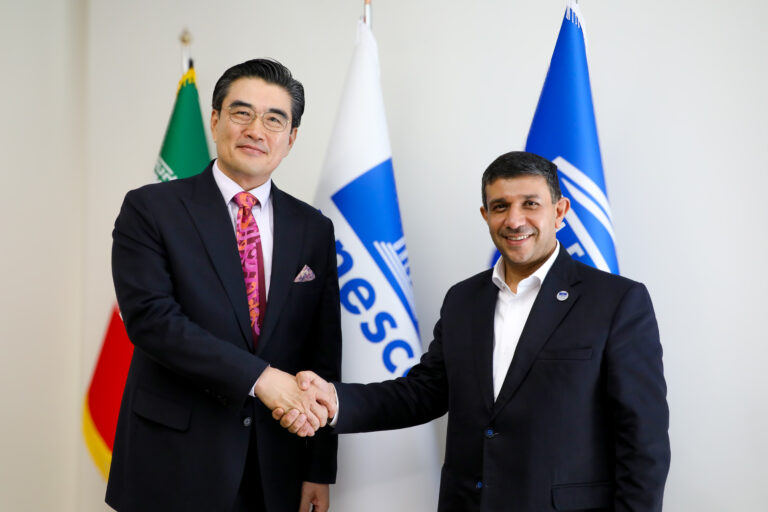
Mr. Yang Srang, UNESCO Representative in Tehran, emphasized UNESCO’s global perspective on intangible cultural heritage, stating: “Intangible cultural heritage is not merely a legacy of the past; it is a dynamic force that connects generations and constitutes an important part of cultural diversity and human creativity.”
He added that Iran, with 26 elements inscribed on UNESCO’s Intangible Cultural Heritage lists, plays a significant role in documenting and safeguarding this heritage.
Subsequently, Dr. Momeni read a message from Dr. Darabi, which emphasized the connection between communities safeguarding intangible cultural heritage and those working in sustainable tourism. Dr. Darabi stated: “This connection becomes meaningful when travel moves beyond observation and reaches the depth of dialogue.”
A Strategic Perspective on Culture and Development
Dr. Houshmand, a member of the Strategic Council of the Ministry of Cultural Heritage, stated that Iranian society is a society with a long history, whose shared cultural elements shape its cultural and historical identity. Dialogue between these elements and academic and media circles can contribute to sustainable cultural development. He added that depoliticizing the cultural sphere is one of the important achievements of such meetings.

Tourism: The Language of Dialogue among Civilizations
Dr. Haghshenas, another member of the Strategic Council, stated that tourism today is not merely an industry, but the language of dialogue among civilizations. He noted that intangible cultural heritage keeps Iranian identity alive and that cultural policy is effective only when it places people at its center. He added that the time had come to place intangible cultural heritage at the heart of the country’s cultural policies.
Interactive Session: Challenges and Proposals in Tourism
Isolated Islands
During the interactive panel, professionals from various tourism sectors exchanged views on existing challenges and possible solutions.
Simin Saghafi, a tourism and media professional, criticized the lack of coordination among different sectors, stating that tourism, cultural heritage, and handicrafts in Iran operate like isolated islands, with no shared understanding among them.
Tourism Economics and Cultural Connections
Mohammad-Sepehr Siri, a Central Asian tourism professional, emphasized that tourism sustainability depends on a thriving tourism economy. Given the shared cultural heritage across the Iranian cultural sphere, he noted that the region’s potential could be harnessed to boost tourism, adding that neighboring countries in the region are natural markets for Iran.
Dr. Samavati-Yar, a traditional arts professional, stated that the Ministry of Cultural Heritage is itself the main obstacle to producing content on intangible cultural heritage. He added that the dedicated budget for intangible cultural heritage projects is extremely limited.
The Need for Specialized Training
Dr. Yazdani, Head of the Tehran Association of Tourist Guides, emphasized that tourist guides do not receive sufficient training in presenting intangible cultural heritage. He stressed the need to establish centers for tourism training and experiential learning with the participation of local communities.
Soroush Parhami, a food tourism professional, stated that Iranian cuisine is part of the country’s identity. He emphasized that food should be viewed as a shared heritage among countries and given serious consideration in cultural representation and tourism promotion.
Cultural Power as the Driving Force of Development
Dr. Nasser Rezaei, Head of the Iranian Tourism Research Institute, emphasized that cultural power is the defining form of power today and that Iran is a cultural hub of the world. He noted that if tourism is to be developed as a driver of development, the government must be convinced that tourism is a priority. Unfortunately, he added, appropriate training and management are lacking in this field.
Nomadic Tourism: A Neglected Treasure
Mohammad Malekshahi and Sara Shokouhi, professionals in nomadic tourism, stated that nomadic tourism has been marginalized. They explained that centralized and exclusionary policies have harmed nomadic communities and driven their migration to cities, while government support in this area remains limited.
Indigenous Knowledge and the Environment
Manda Shefahi, an environmental activist, stressed the importance of preserving Indigenous knowledge, noting that some traditional knowledge related to water management is at risk of disappearing. She emphasized the need to document and archive this heritage.
Alan Petrosian, Head of the Anzali Wetland Birdwatching Association, also drew attention to the environmental crisis affecting Anzali Wetland. He warned that the loss of the wetland threatens both bird populations and the livelihoods of local communities, emphasizing that raising awareness and preserving Indigenous knowledge are key to protecting this vital ecosystem.
The meeting on “Aligning Sustainable Tourism and Intangible Cultural Heritage” ultimately provided a platform for diverse perspectives on the relationship between culture, nature, and sustainable development.
Emphasizing the need for dialogue, education, cultural policymaking, and stronger infrastructure, participants agreed that living heritage is not merely a legacy of the past, but a foundation for the sustainable future of nations.