Secretary-General of the Iranian National Commission for UNESCO at UNESCO’s Inclusive Education Conference in Moscow: Expanding Inclusive Education Is an Expression of Respect for Human Dignity
Dr. Hassan Fartousi, Secretary-General of the Iranian National Commission for UNESCO, actively participated in the International Conference on Inclusive Education in Moscow, outlining the achievements of the Islamic Republic of Iran in advancing educational equity and emphasizing the need to institutionalize inclusive education as a foundation for sustainable development, peace, and human dignity. |
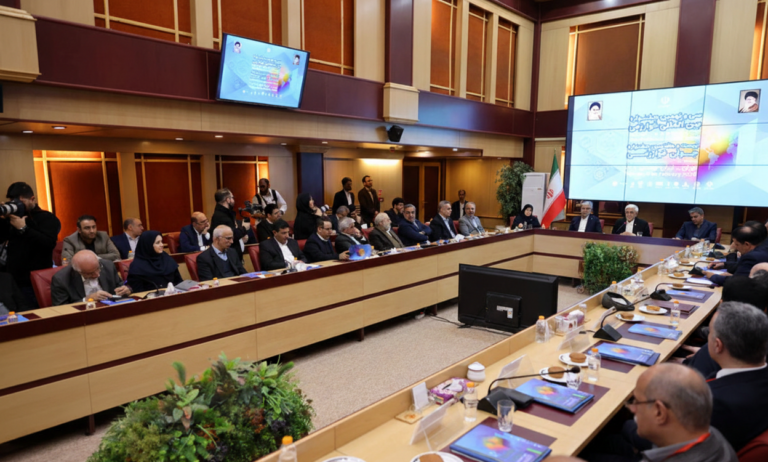
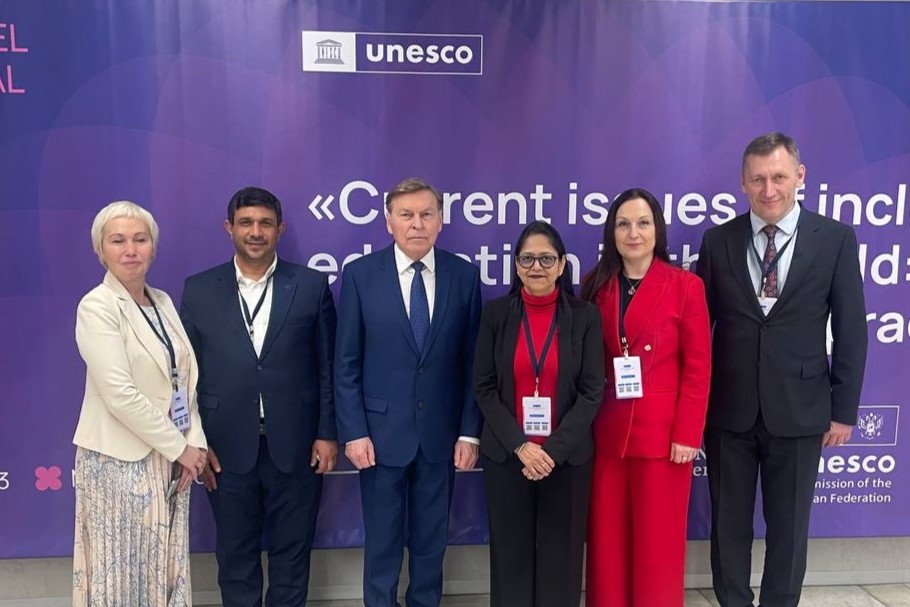
The Ministry of Science and the Peoples’ Friendship University of Russia (RUDN University) hosted the international conference “Current Issues in Inclusive Education Worldwide: Context, Policy and Practice” in December 2025. The event, which focused on scientific research and policymaking, was held with the support of the Ministry of Science and Higher Education of the Russian Federation and the Russian National Commission for UNESCO, bringing together ministers of education, secretaries-general of National Commissions for UNESCO, representatives of UNESCO Chairs, scholars, academics, and students from various countries.
Presenting Iran’s Response to the Global Education Crisis
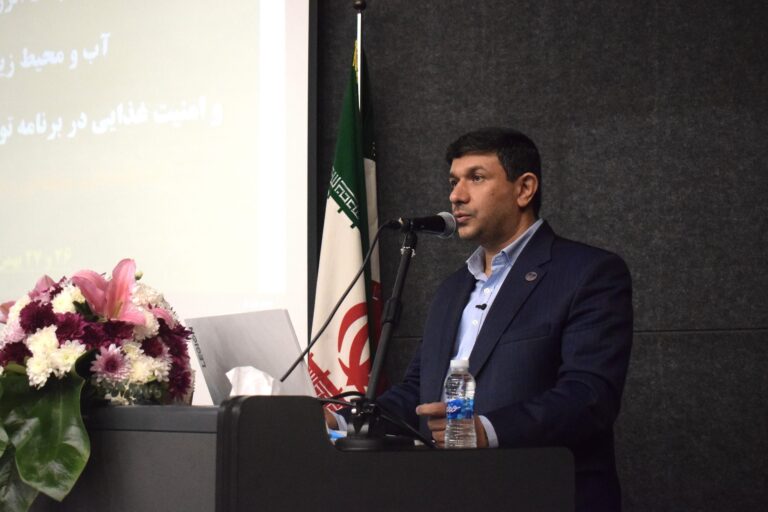
During the conference’s first panel, entitled “Inclusive Education Systems Worldwide,” chaired by a Deputy Minister of Science and Higher Education of the Russian Federation, Dr. Hassan Fartousi, Secretary-General of the Iranian National Commission for UNESCO, delivered a speech on behalf of Dr. Hossein Simaei-Sarraf, Minister of Science, Research and Technology and President of the Iranian National Commission for UNESCO. The speech was entitled “The Global Education Crisis and the Islamic Republic of Iran’s Response in Pursuit of Educational Equity.”
Referring to UNESCO’s concerning statistics on millions of children being out of school and the widespread global shortage of teachers, the speech emphasized the urgent need for governments to take action to ensure quality, inclusive, and equitable education. It also highlighted the measures undertaken by the Islamic Republic of Iran within the framework of Article 30 of the Constitution, national policy documents, and international commitments.
In this context, the fact that women account for more than 51% of university students in Iran and that the country hosts over 65,000 international students from 101 countries was presented as evidence of the advancement of educational equity and inclusive education in the Islamic Republic of Iran. Iran’s commitment to international conventions, including the Convention on the Rights of the Child, the Convention on the Rights of Persons with Disabilities, and UNESCO’s Convention against Discrimination in Education, was also emphasized.
Charting a Roadmap for Inclusive Education in the Digital Age
During the conference’s second panel, entitled “Strategies for Achieving Sustainable Development Goal 4 (SDG 4),” Dr. Hassan Fartousi delivered a keynote presentation entitled “Principles of Inclusive Education: From Policymaking to Transformation in the Classroom.”
In his presentation, he outlined six fundamental principles of inclusive education: changing attitudes and transforming differences from perceived threats into opportunities; ensuring flexibility in curriculum design to accommodate learners’ diverse needs; empowering teachers and integrating emerging technologies and artificial intelligence through a human-centered and ethics-based approach; encouraging the active participation of families and local communities in education; reviewing assessment systems and replacing standardized testing alone with more individualized approaches; and ensuring that educational environments, both physical and digital, are accessible to all learners.
The Secretary-General of the Iranian National Commission for UNESCO stressed that inclusive education is not an optional model but an ethical, social, and developmental imperative that cannot be achieved without political will, inclusive policymaking, and sustained investment.
Iran: A Successful Experience in Refugee Education and Women’s Empowerment
Referring to the practical experience of the Islamic Republic of Iran, Dr. Fartousi presented a program to empower Afghan women through education as a successful model of international cooperation. Implemented with the support of UNESCO, UNICEF, and the Embassy of Japan in Iran, and in cooperation with the Iranian National Commission for UNESCO, the UNESCO Tehran Office, the University of Tehran, and Kharazmi University, the program has so far provided more than 500 Afghan women with specialized training to work in primary education. According to Dr. Fartousi, this experience demonstrates that the combination of political will, international resources, and academic cooperation can bring about lasting improvements in people’s lives.
The four-day conference concluded with the adoption of a comprehensive declaration. The Iranian delegation, led by the Secretary-General of the Iranian National Commission for UNESCO, played an influential role in shaping its provisions through its proposals. The declaration emphasized issues including narrowing the digital divide in education, establishing a global database to share best practices in inclusive education, expanding academic cooperation, and providing legal protection for the employment of graduates with special educational needs.
Strengthening Iran’s Educational and Scientific Diplomacy
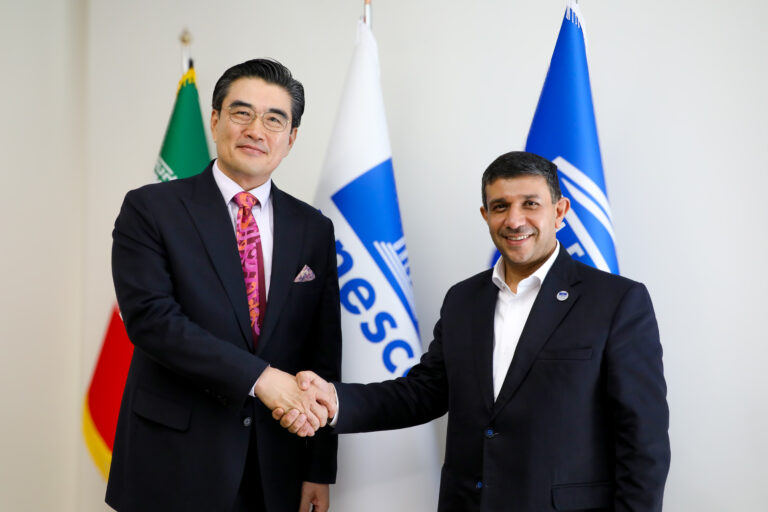
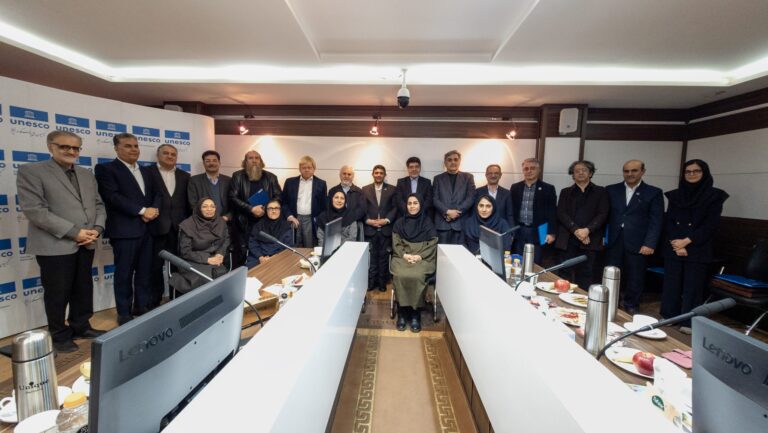
On the sidelines of the conference, Dr. Fartousi held meetings and discussions with the President of RUDN University, the Secretary-General of the Russian National Commission for UNESCO, the Ambassador of the Islamic Republic of Iran in Moscow, and a group of Iranian students studying in Russia. Focusing on the development of scientific and educational cooperation, addressing the concerns of Iranian students, and expanding academic engagement, these meetings contributed to strengthening the Islamic Republic of Iran’s educational and cultural diplomacy at the international level.
At the conclusion of the conference, the Secretary-General of the Iranian National Commission for UNESCO expressed satisfaction with the outcomes achieved and emphasized: “Inclusive education is an expression of respect for human dignity, and its realization can help build a world in which no learner is left behind.”
To watch the video clip of this news story, click here.