Ceremony Held to Commemorate the Inscription of Alamut Castle on the World Heritage List
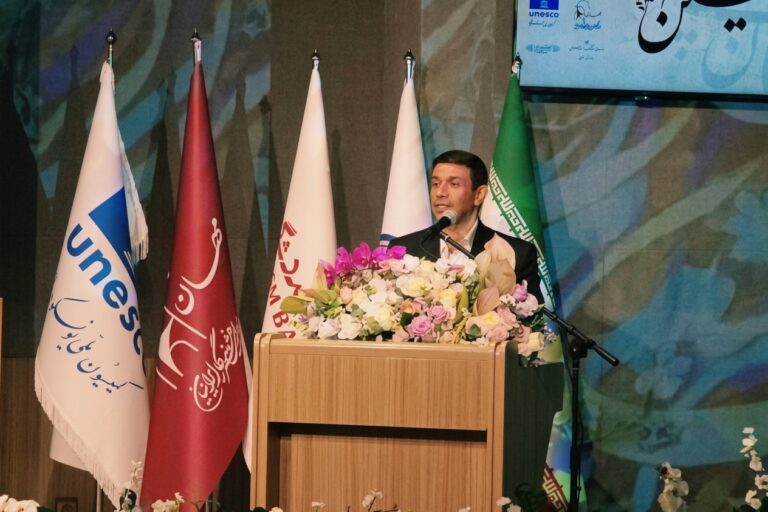
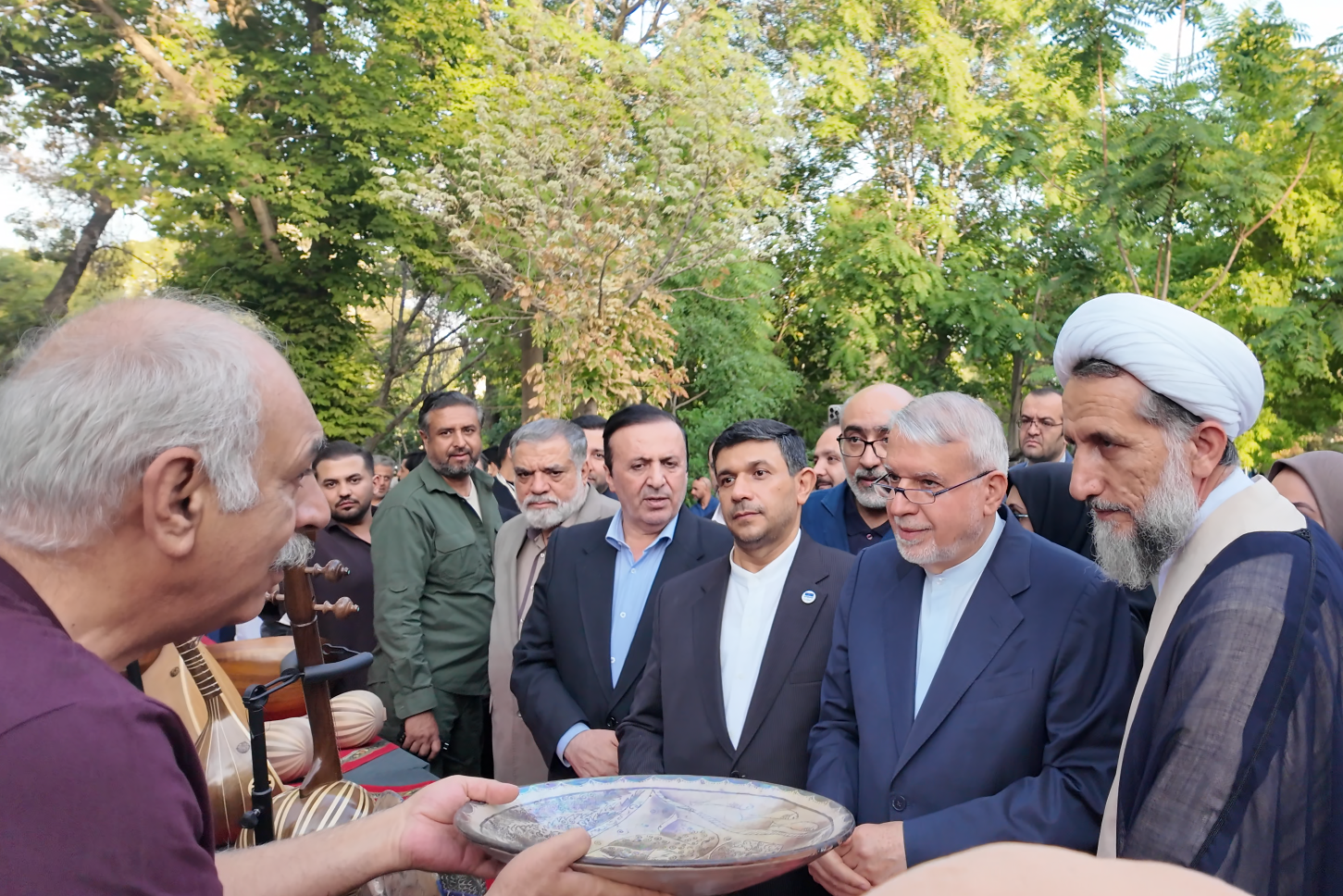
A ceremony commemorating Qazvin Day and celebrating the inscription of “Alamut Castle and its Associated Fortifications” on the UNESCO World Heritage List was held at the Chehel Sotoun Mansion in Qazvin. The event was attended by Dr. Seyed Reza Salehi-Amiri, Minister of Cultural Heritage, Tourism and Handicrafts; Ayatollah Hossein Mozaffari, Representative of the Supreme Leader in Qazvin Province; Dr. Hassan Fartousi, Secretary-General of Iran’s National Commission for UNESCO; Dr. Mohammad Nozari, Governor-General of Qazvin Province; Kim Joon-pyo, Ambassador of the Republic of Korea to Iran; and a number of provincial officials and cultural figures.
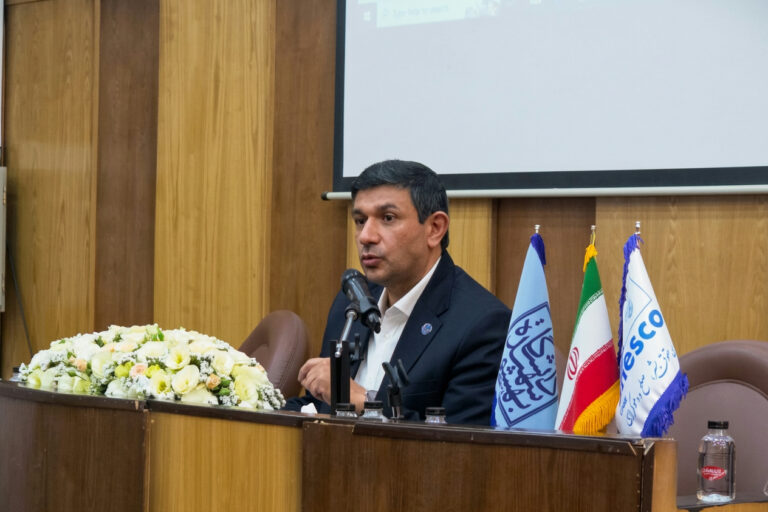
Speaking at the ceremony, Dr. Salehi-Amiri described the inscription of Alamut on the World Heritage List as an important opportunity to strengthen Qazvin’s cultural and tourism profile. He stressed that the path towards sustainable development in the province runs through Alamut and that the development of tourism infrastructure in the region should be pursued with determination.
“Alamut Castle and its Associated Fortifications” was inscribed as Iran’s 30th tangible cultural property on the UNESCO World Heritage List during the 48th session of the UNESCO World Heritage Committee in Busan, Republic of Korea. This achievement was the result of years of scientific and technical efforts to prepare the nomination dossier and secure its inscription at both national and international levels.
The process was pursued through cooperation among the relevant cultural heritage, tourism and handicrafts authorities, the Ministry of Foreign Affairs, and Iran’s National Commission for UNESCO. The property’s international standing was ultimately secured through the presentation and approval of its nomination dossier at the Busan session.
Alongside creating an opportunity to showcase the site’s cultural and historical significance internationally, its inscription on the World Heritage List also brings greater responsibility for its protection and sustainable management. It underscores the need for serious attention to the boundaries and cultural landscape of the property, tourism infrastructure, the protection of its historical values, and the participation of local communities.
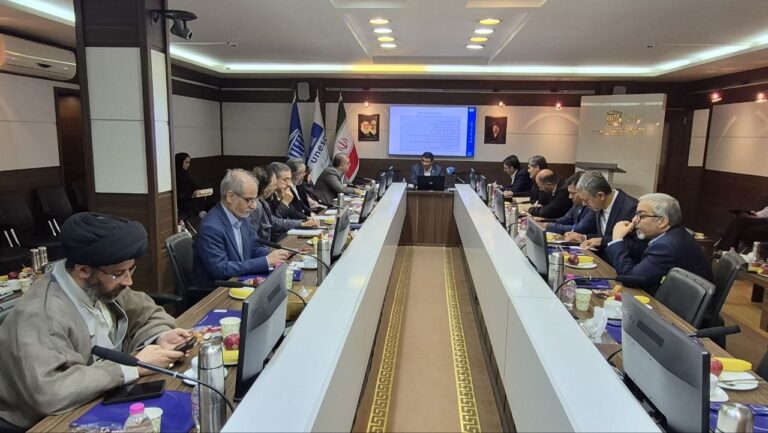
On the sidelines of the ceremony, Dr. Hassan Fartousi, Secretary-General of Iran’s National Commission for UNESCO, also met with those involved in preparing the nomination dossier for “Alamut Castle and its Associated Fortifications.” During the meeting, he emphasized the significance of the inscription and the role of national and international cooperation in protecting, presenting and safeguarding Iran’s cultural heritage.