Launching The National Committee for Hydrology of Iran’s National Commission for UNESCO
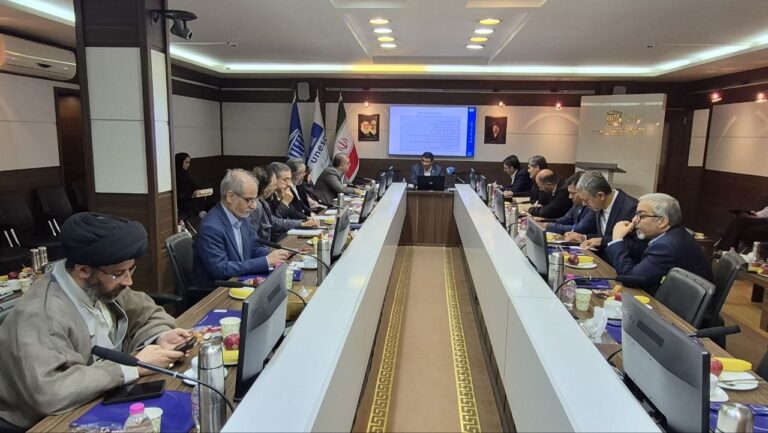
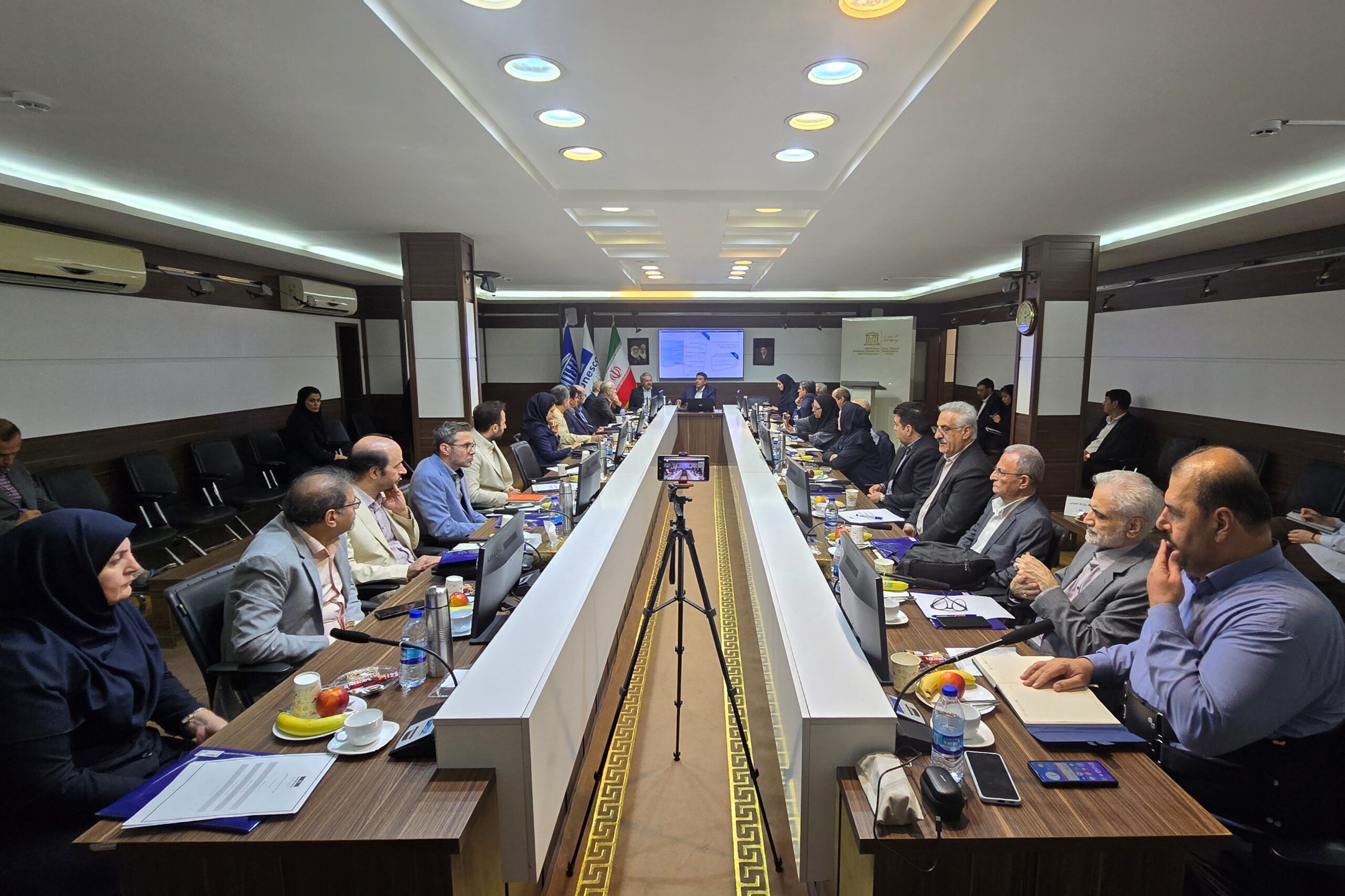
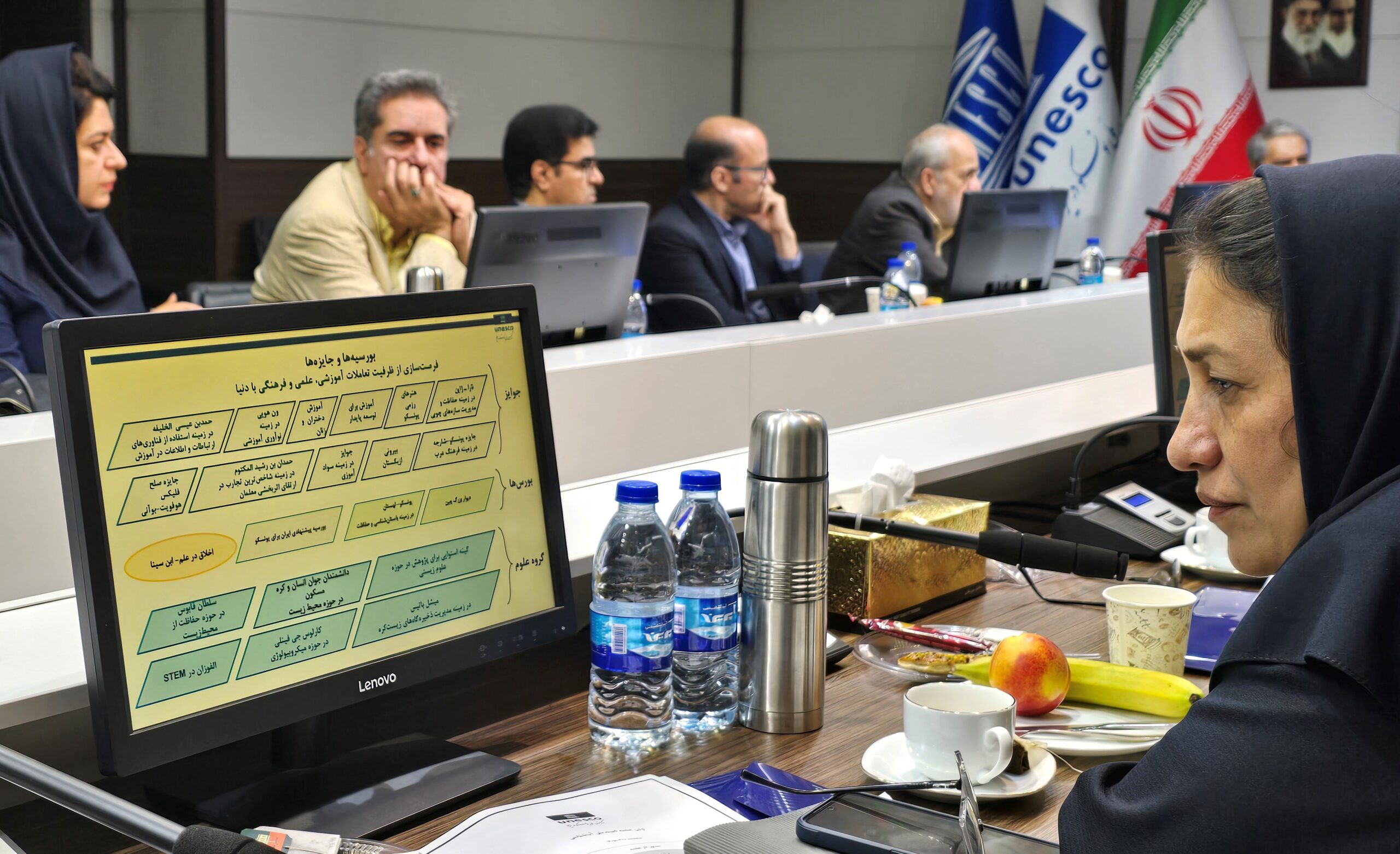
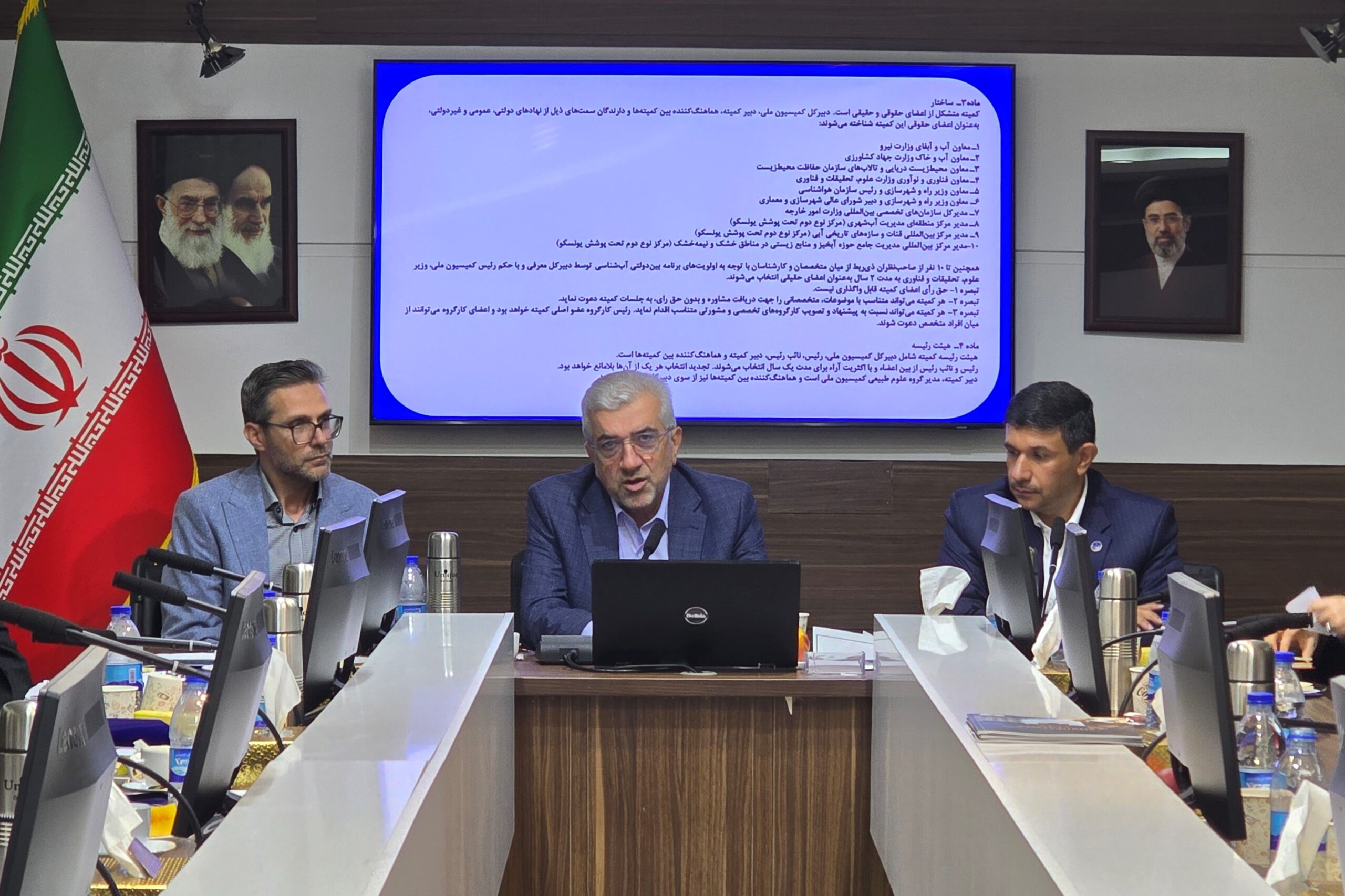
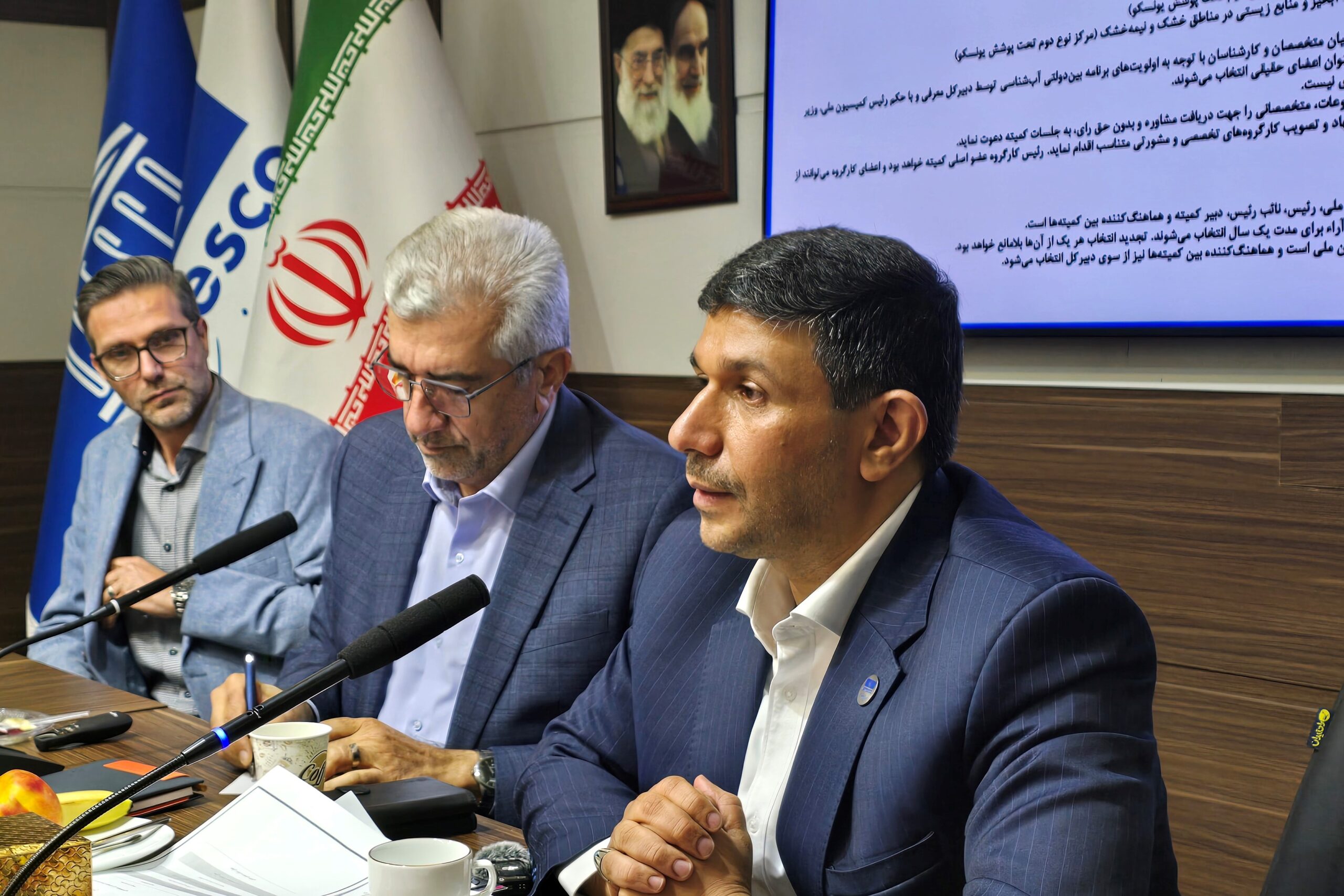
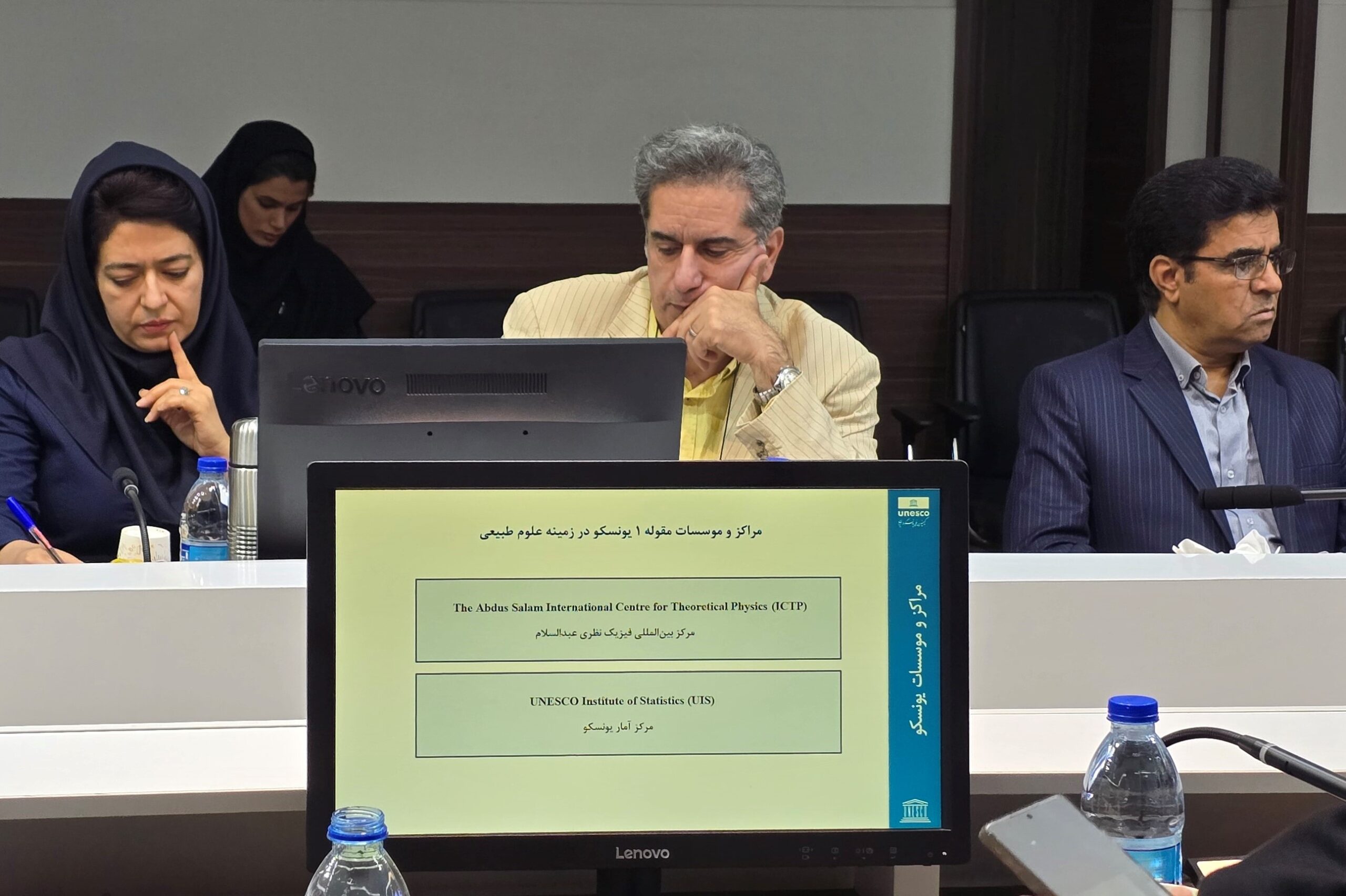
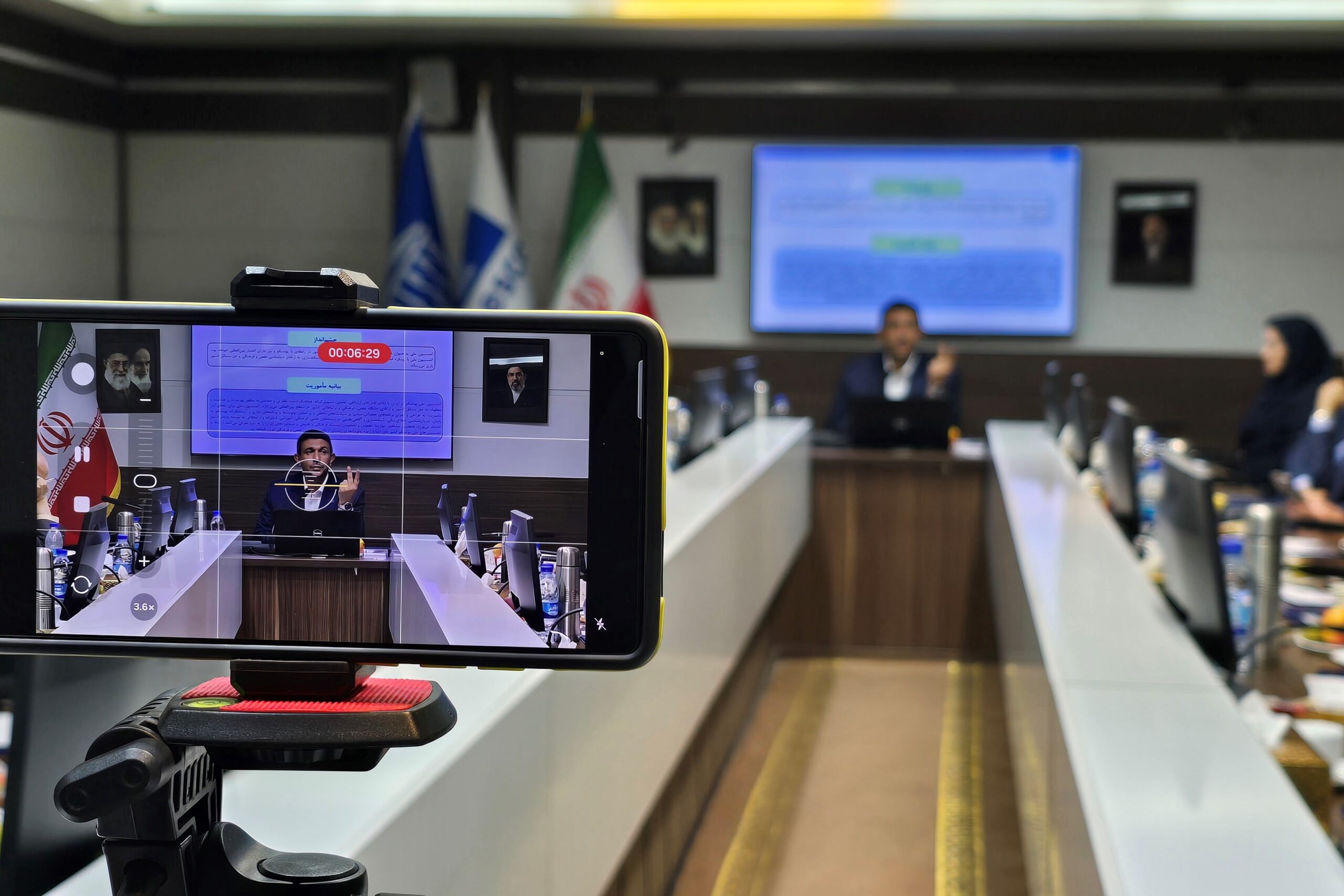
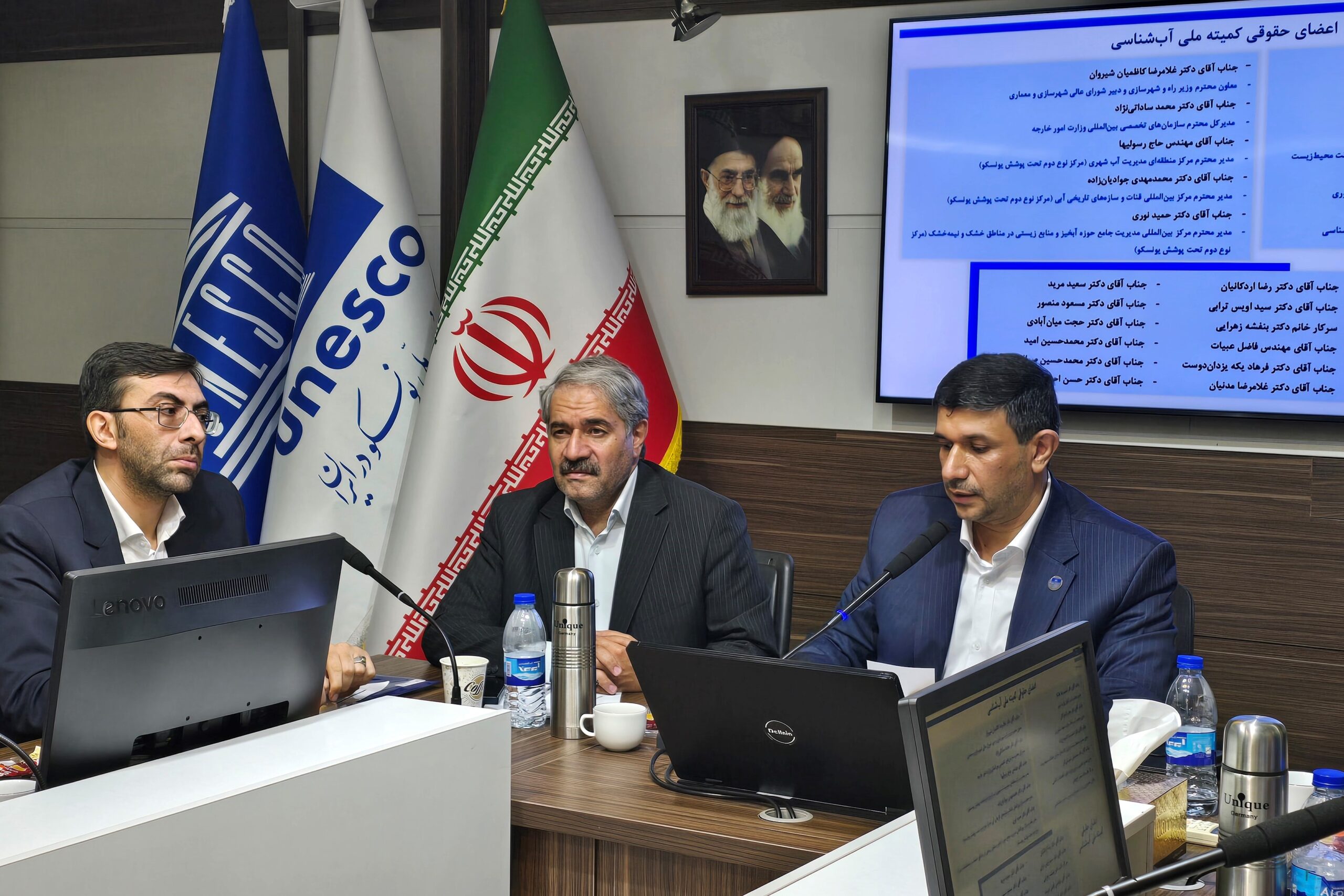
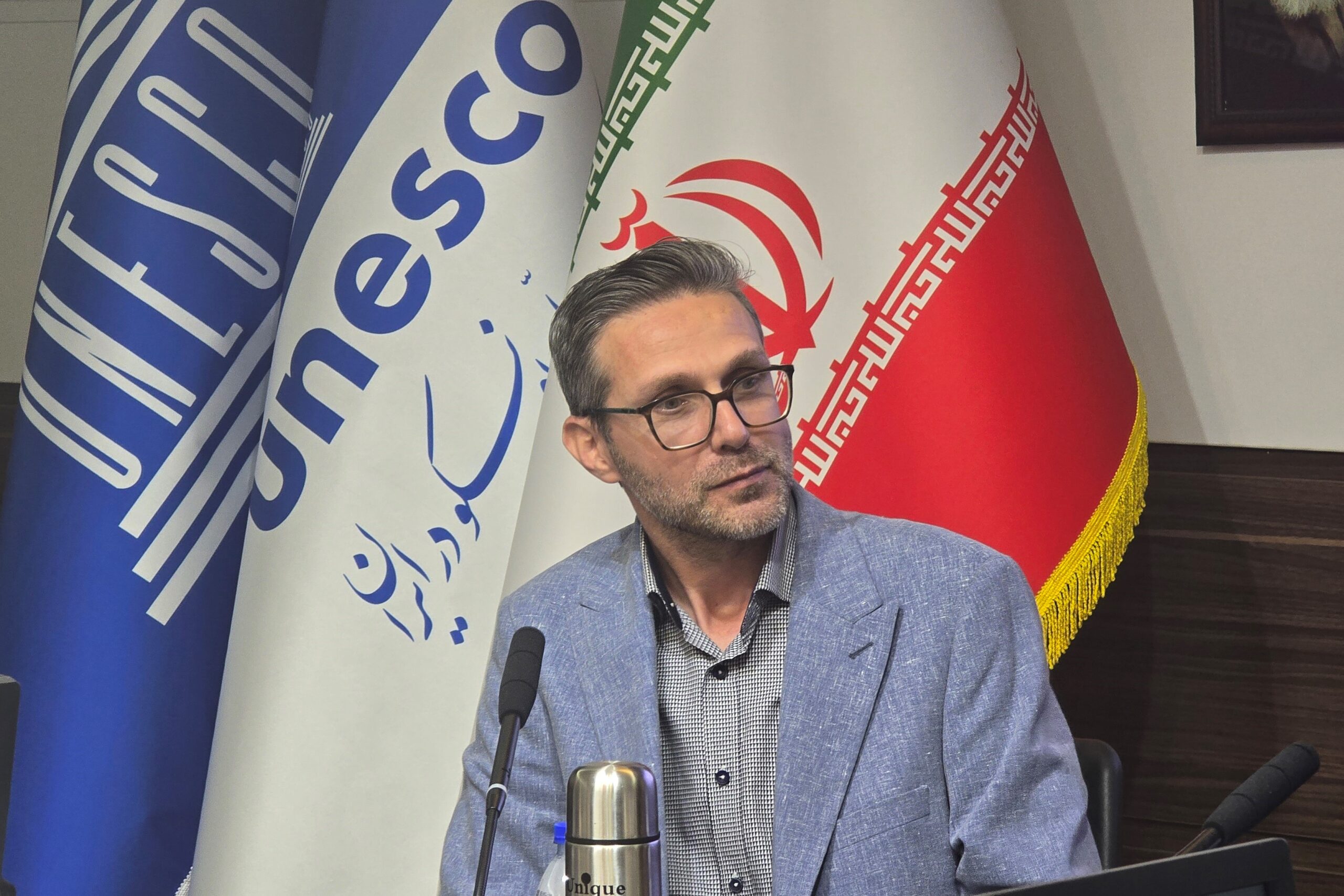
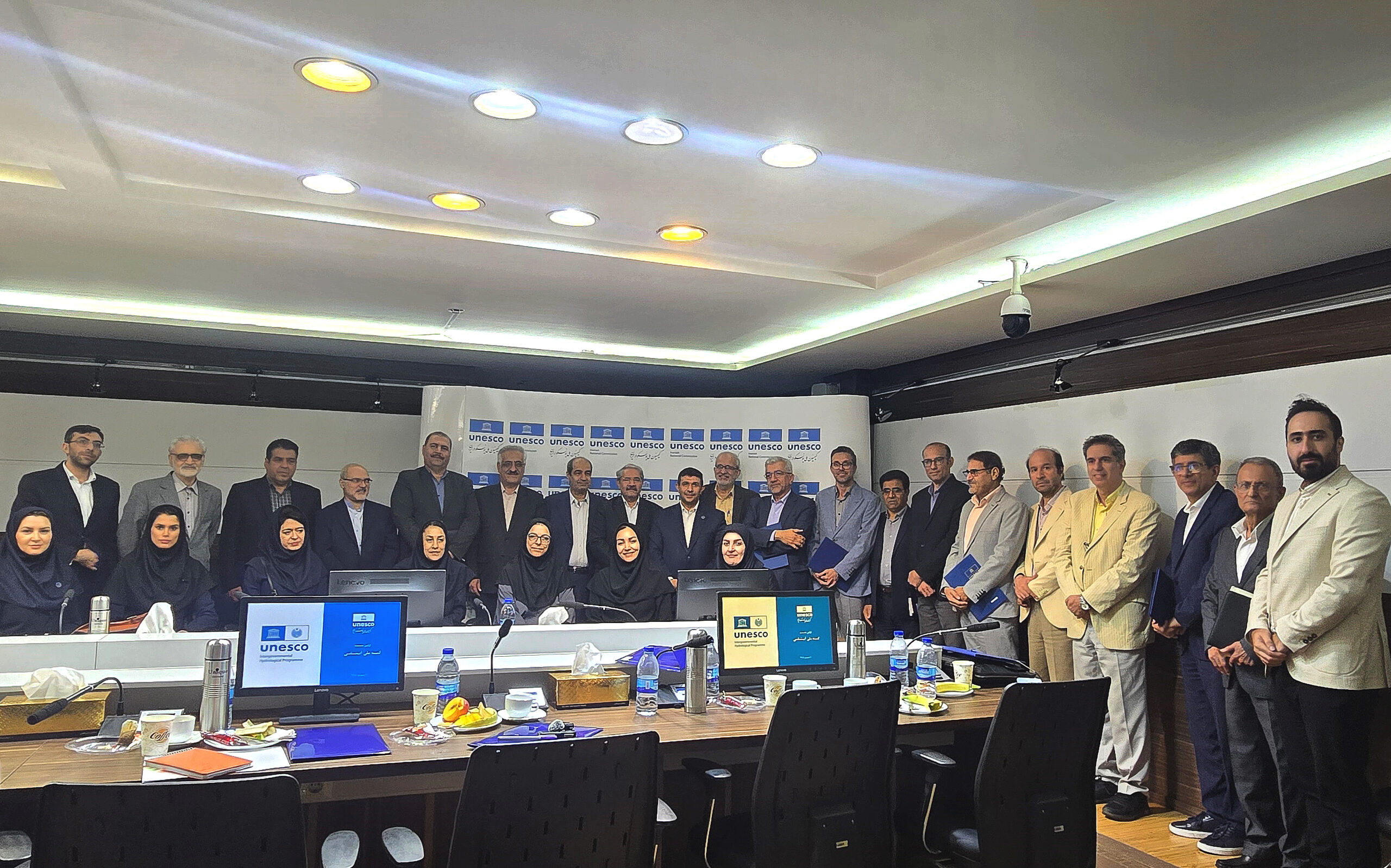
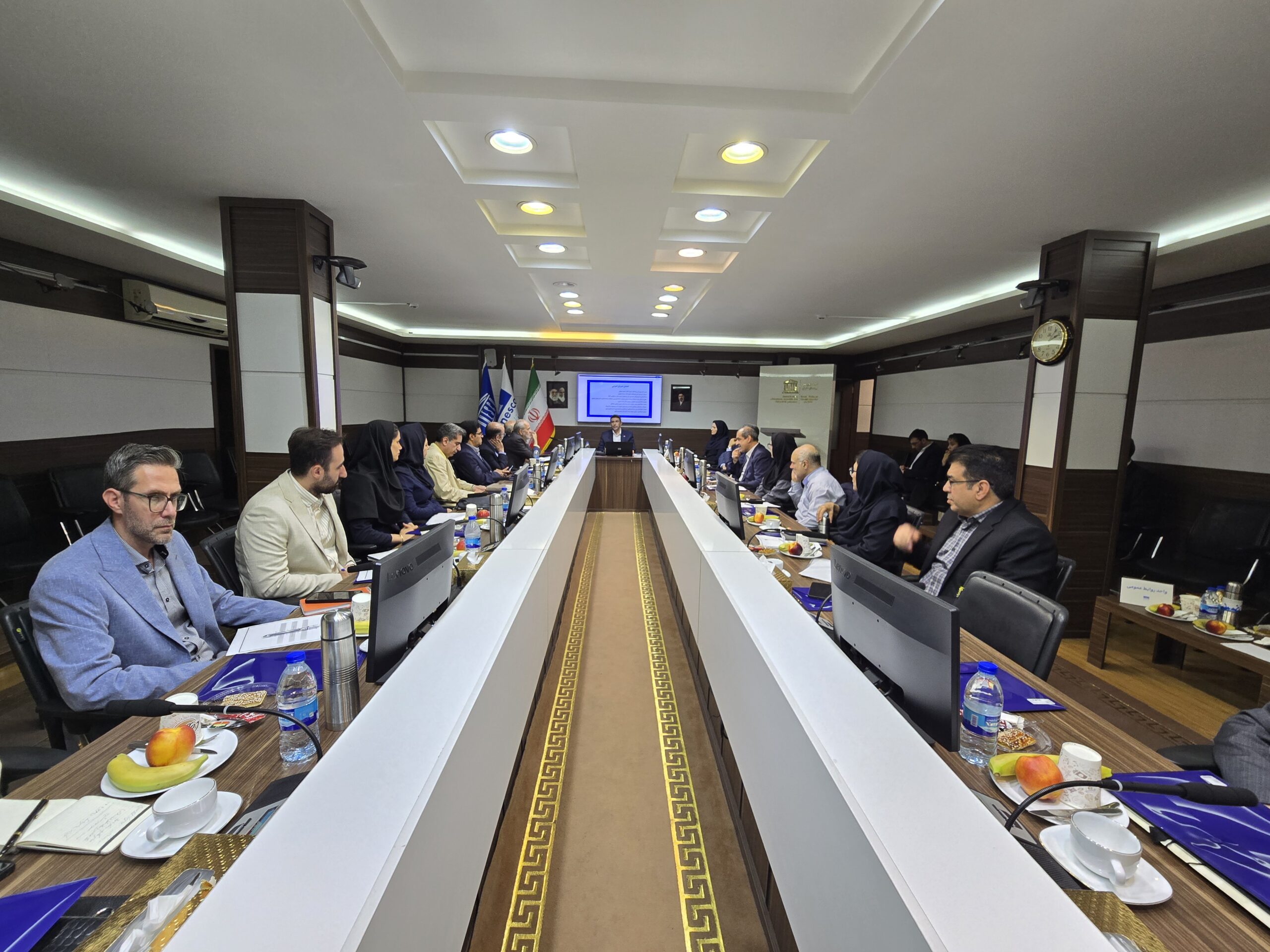
The first meeting of the National Committee for Hydrology of Iran’s National Commission for UNESCO, held as part of the new term of activities of the Commission’s specialized committees, took place on 1 September 2026 at the premises of Iran’s National Commission for UNESCO, with the participation of the Committee’s individual and institutional members.
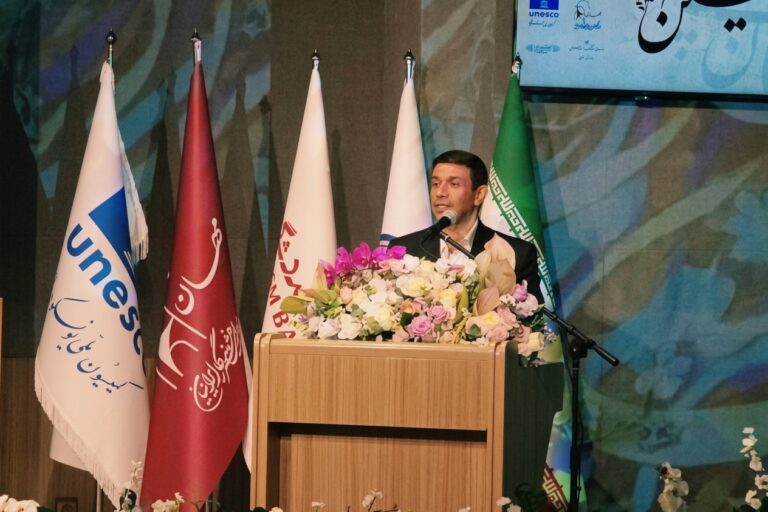
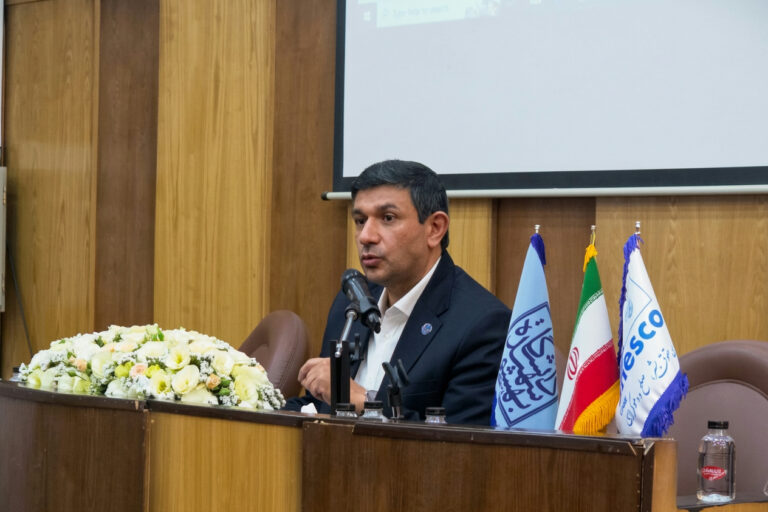
At the beginning of the meeting, Dr. Hassan Fartousi, Secretary-General of Iran’s National Commission for UNESCO, welcomed the Committee members and emphasized the importance of launching the National Committee for Hydrology and its role in strengthening scientific, research and cross-sectoral cooperation in the field of water. He also provided a brief introduction to Iran’s National Commission for UNESCO, the structure of its specialized committees and the new regulations governing their activities, familiarizing the members with the Committee’s mission, objectives and operational mechanisms.
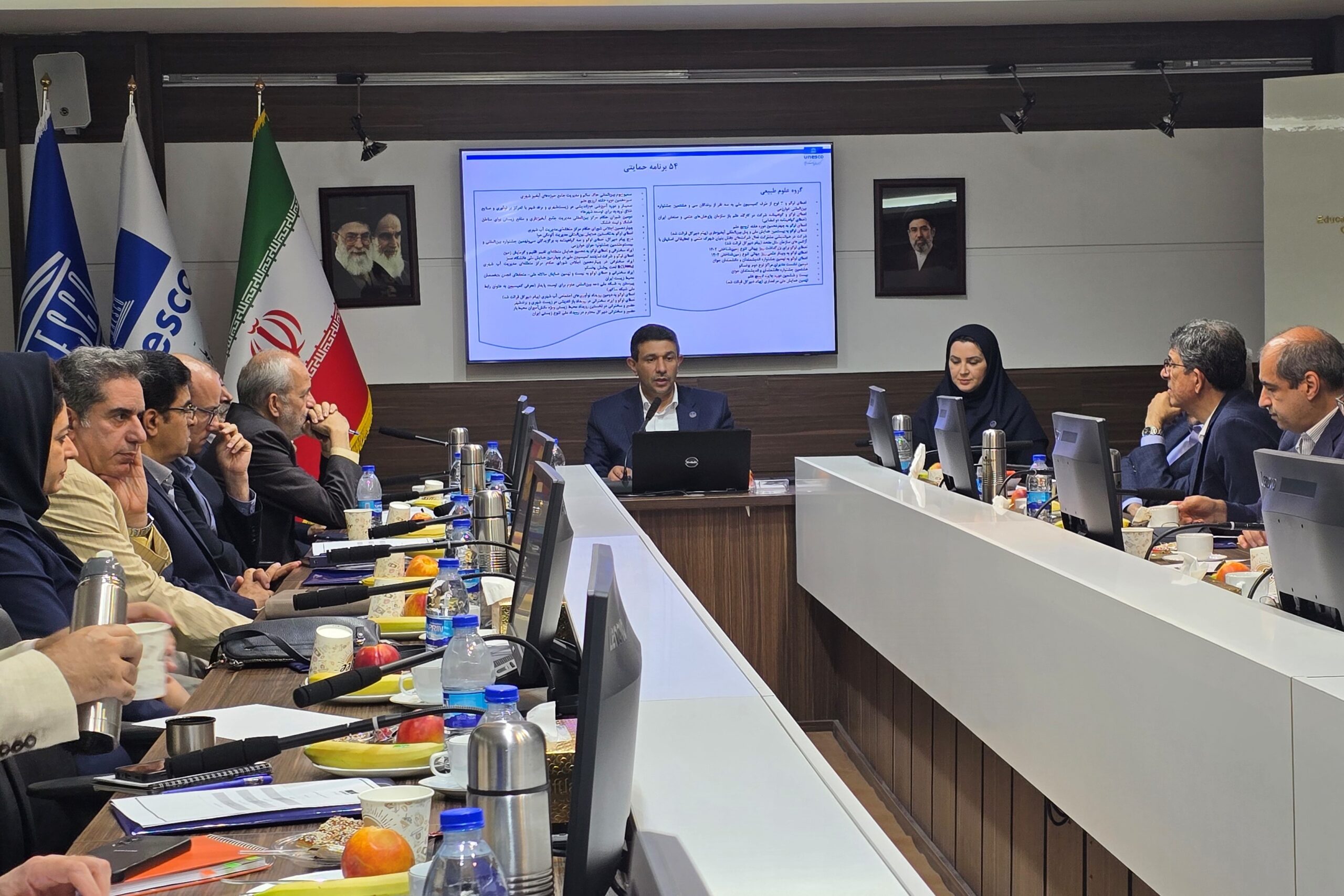
Continuing the meeting, Sahar Ahmadizadeh, Director of the Natural Sciences Group at Iran’s National Commission for UNESCO and Secretary of the National Committee for Hydrology, presented a report on the latest developments, programs and activities of UNESCO’s Intergovernmental Hydrological Programme (IHP). The report outlined the Programme’s key areas of work and initiatives in the fields of water and hydrology, and examined opportunities for the country to participate in and engage with UNESCO’s international programs and initiatives. The Committee’s individual and institutional members were also introduced, followed by an exchange of views on opportunities for cooperation, the expansion of scientific and research activities, stronger engagement among relevant institutions, and greater use of the capacities of UNESCO and the Intergovernmental Hydrological Programme.
The institutional members attending the meeting included Dr. Sahar Tajbakhsh, Deputy Minister of Roads and Urban Development and Head of the Iran Meteorological Organization; Dr. Ahmadreza Lahijan Zadeh, Deputy Head of the Department of Environment for Marine Environment and Wetlands; Dr. Jafar Gohargani, Acting Deputy for Water and Soil at the Ministry of Agriculture Jihad; Dr. Mohammad Hajrasouliha, Director of the Regional Centre on Urban Water Management; and Dr. Hamid Nouri, Director of the International Center on Integrated Management of Watershed and Biological Resources in Arid and Semi-Arid Regions. Mohammad-Mehdi Javadiyan Zadeh, Director of the International Center on Qanats and Historic Hydraulic Structures, also joined the meeting online.
The meeting was also attended by the following individual members of the National Committee for Hydrology: Dr. Reza Ardakanian, Dr. Seyed Oveis Torabi, Dr. Banafsh Zohraei, Fadel Abiat, Dr. Farhad Yekeh Yazdan-Doust, Dr. Gholamreza Madanian, Dr. Hojjat Mianabadi, Dr. Mohammad Hossein Omid, Dr. Mohammad Hossein Sarafzadeh and Dr. Hassan Ahmadi. They had been nominated by the Secretary-General and appointed for a two-year term by the Minister of Science, Research and Technology, who also serves as President of Iran’s National Commission for UNESCO.
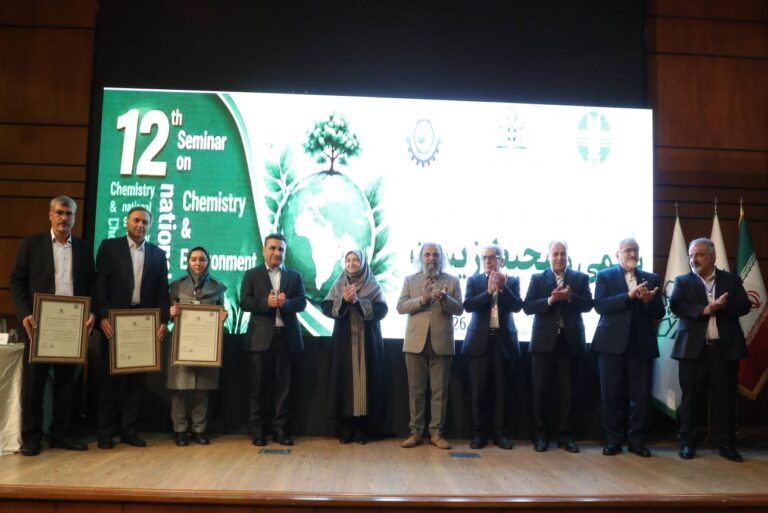
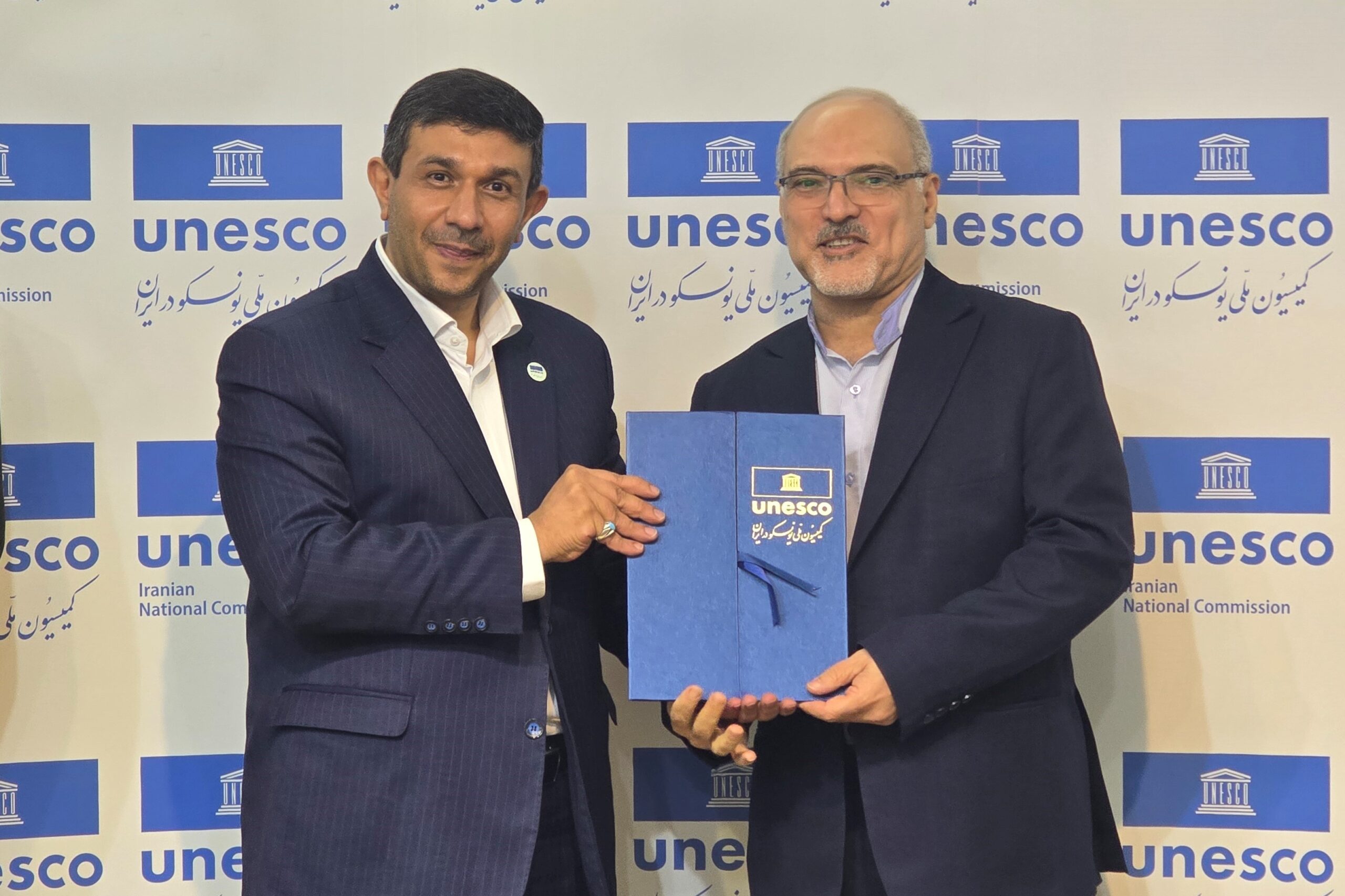
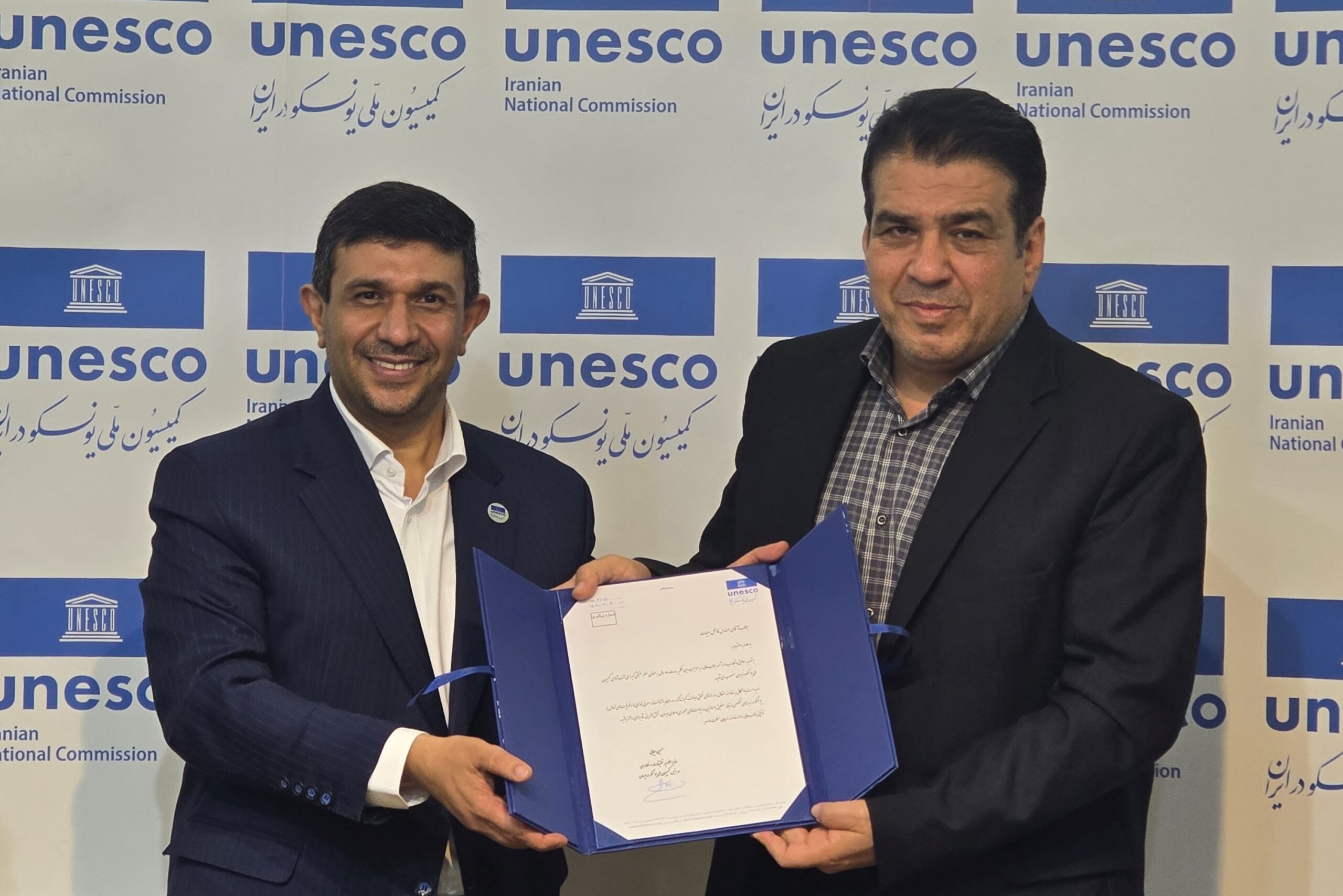
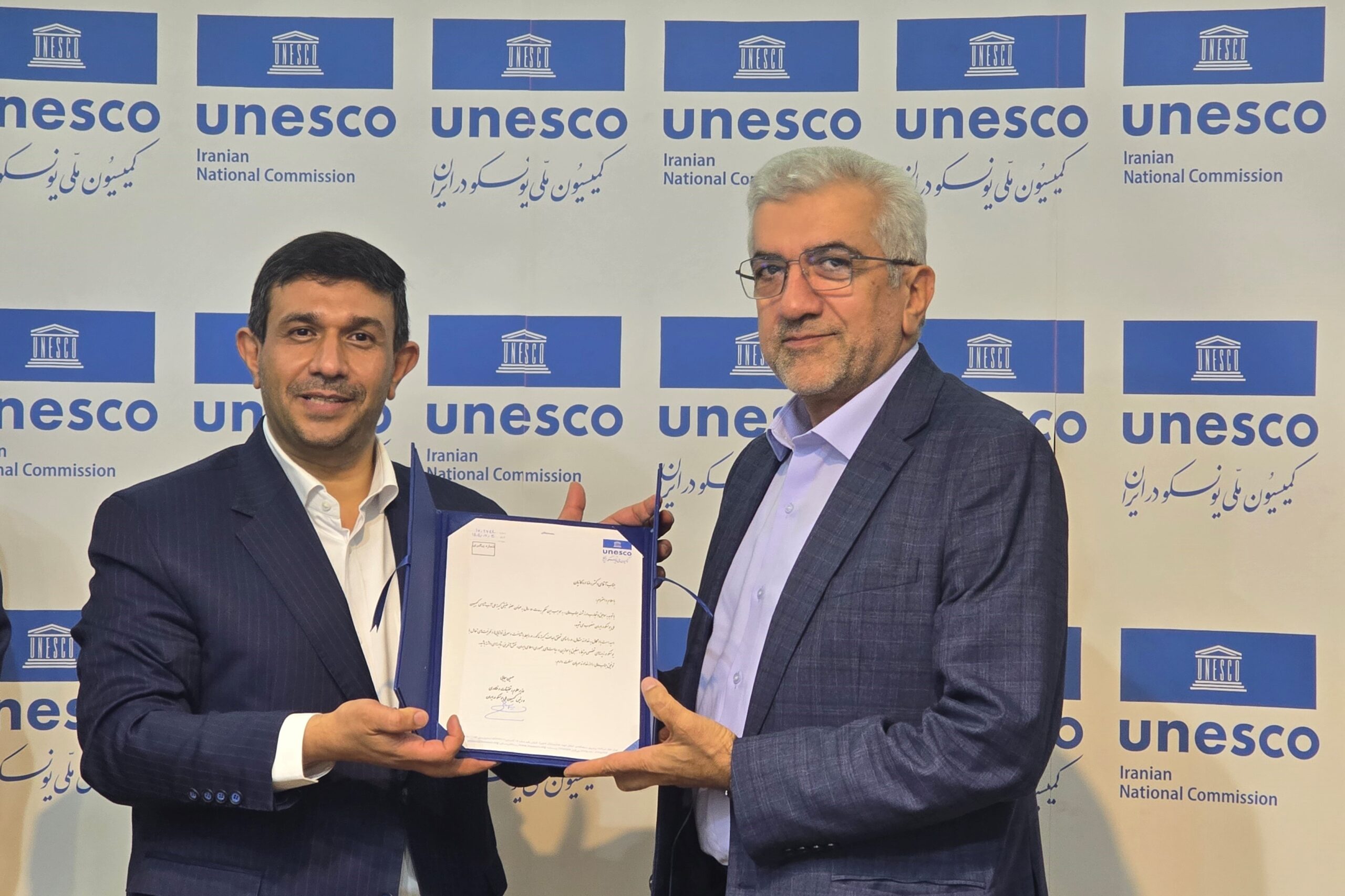
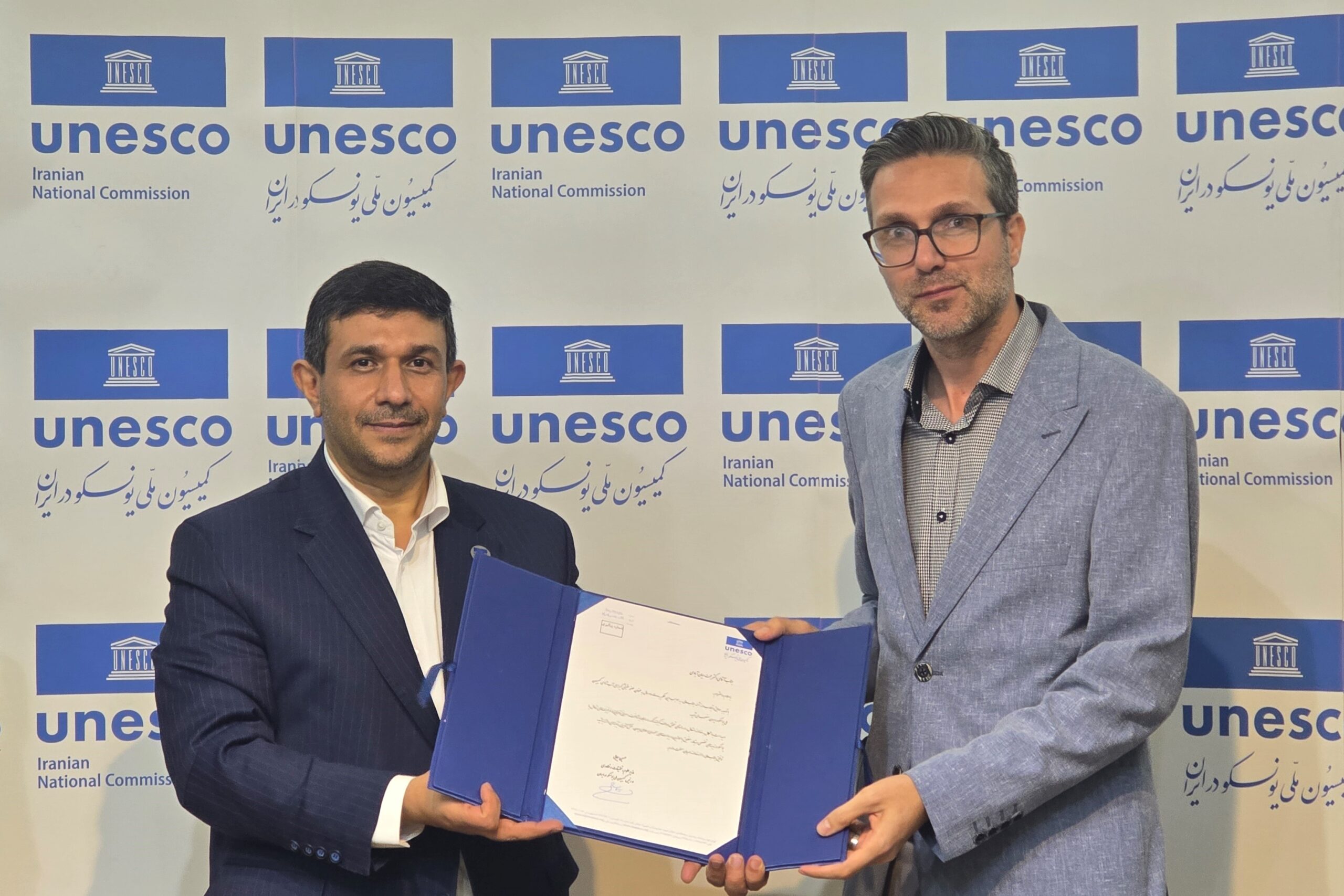
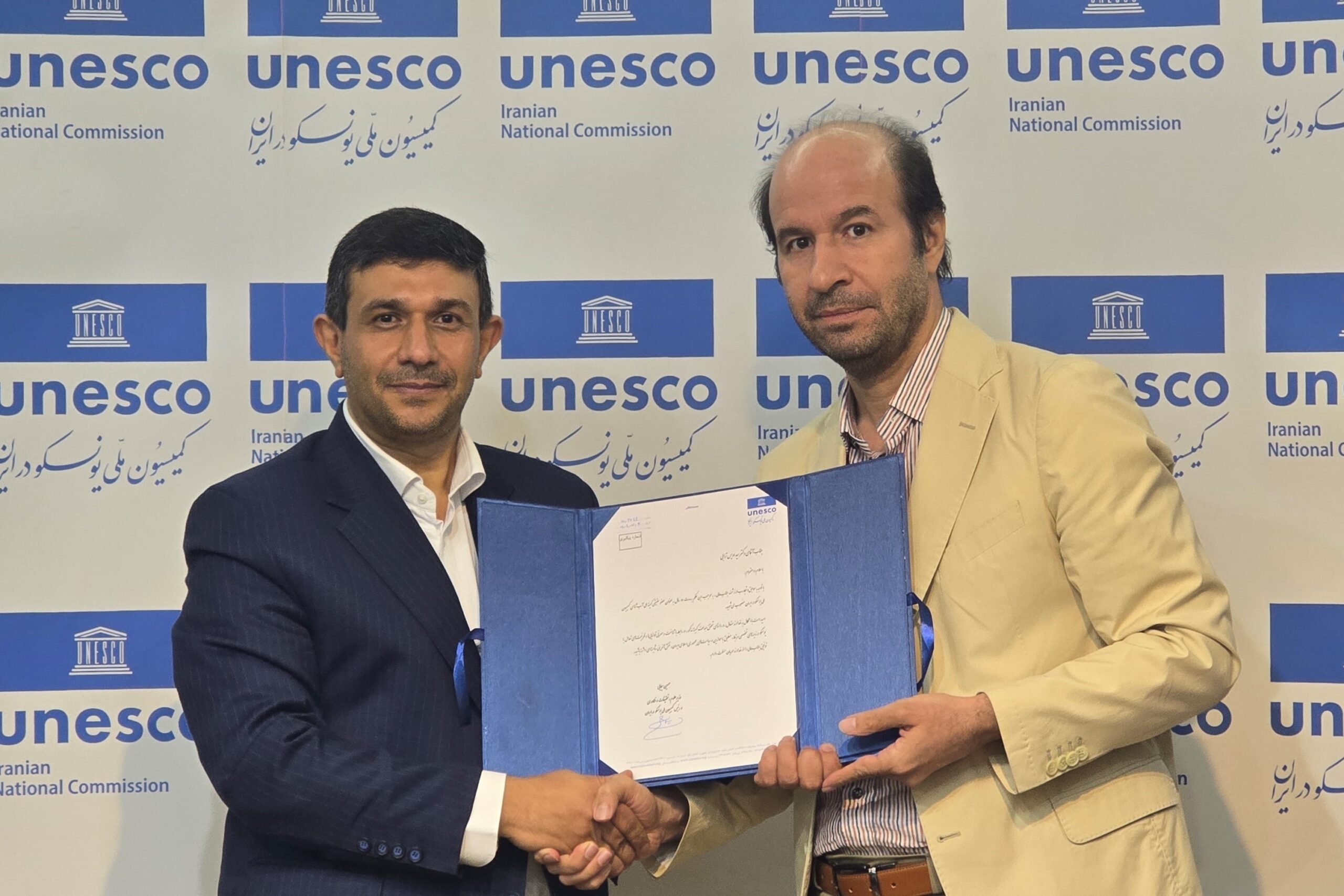
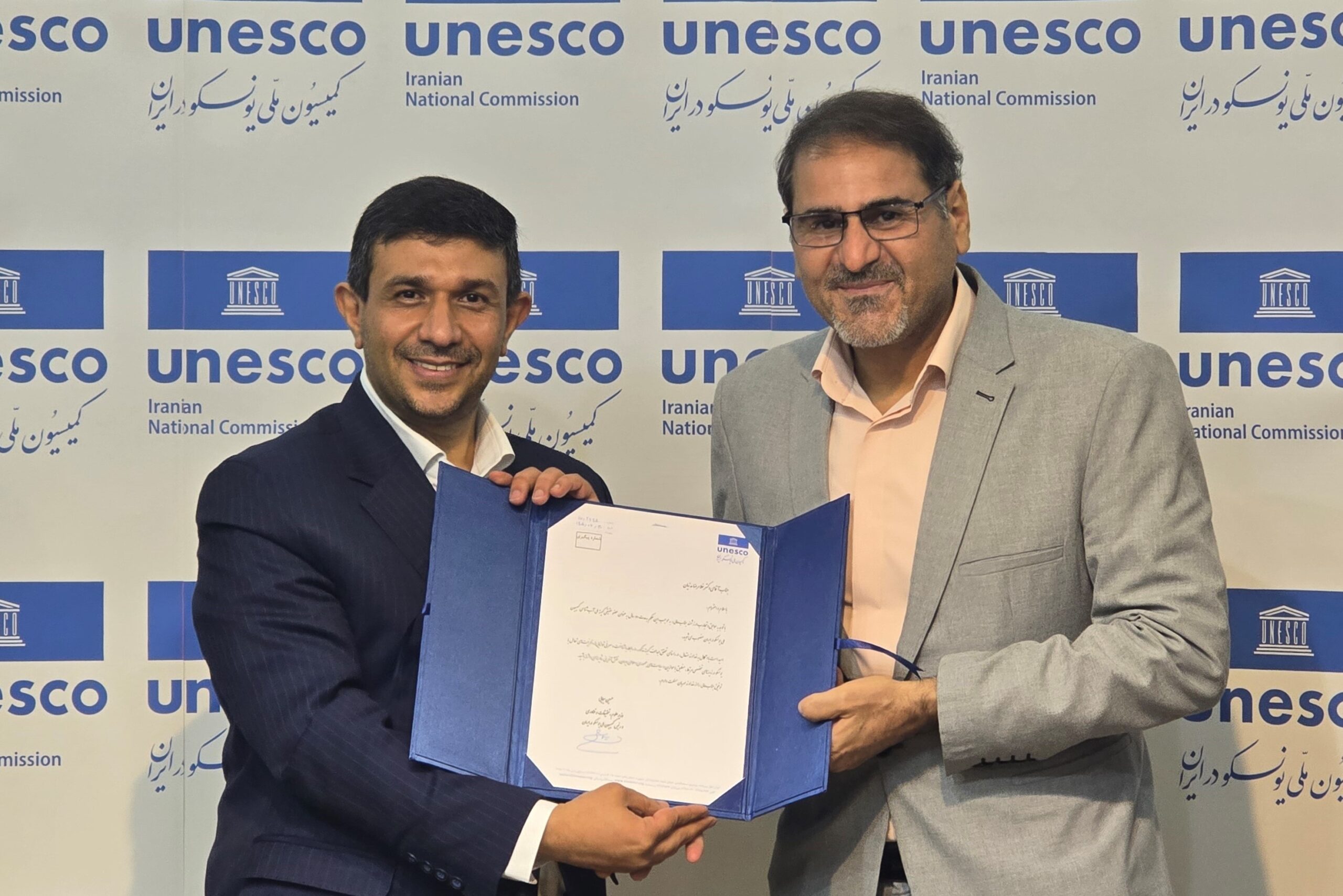
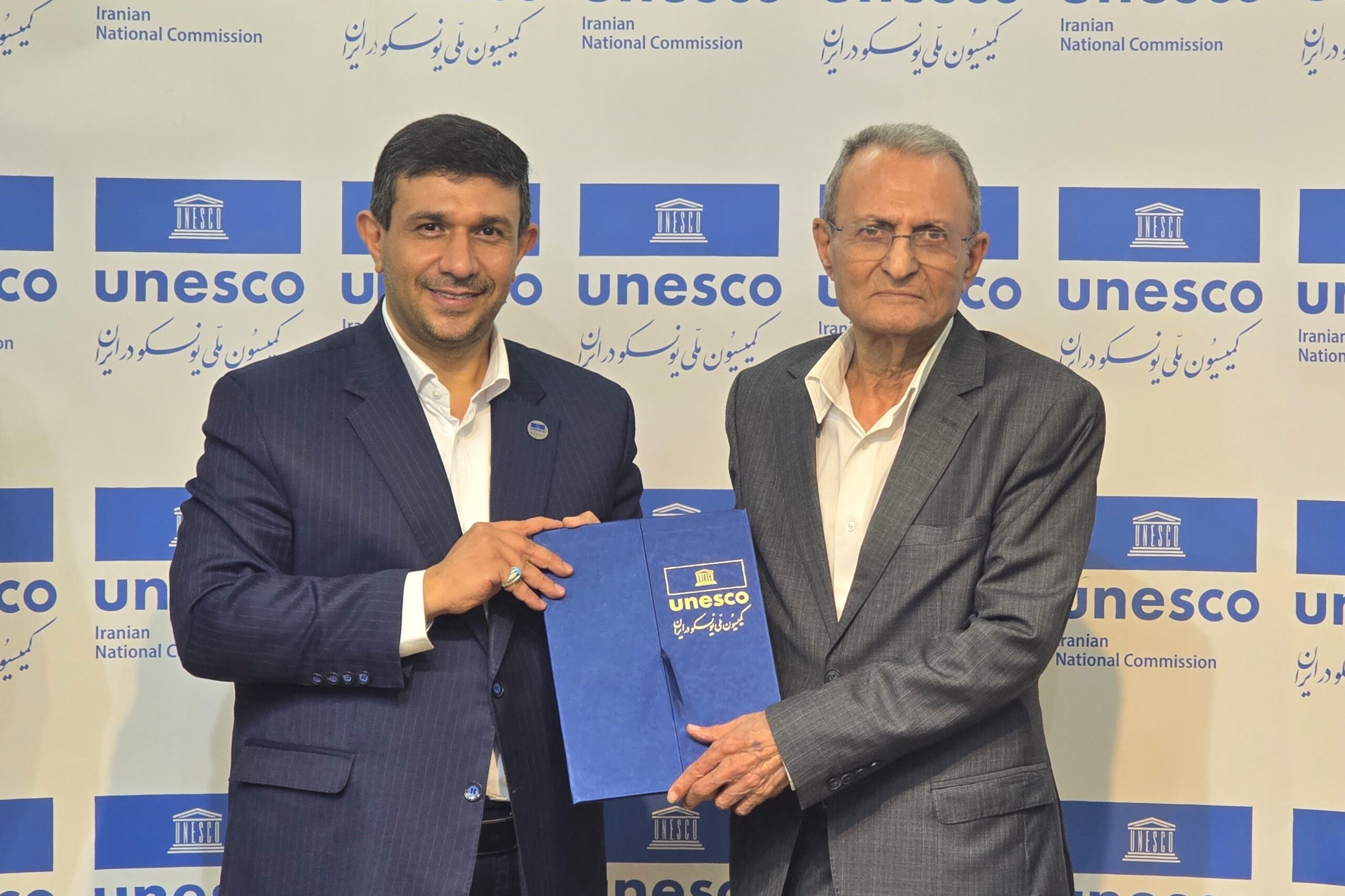
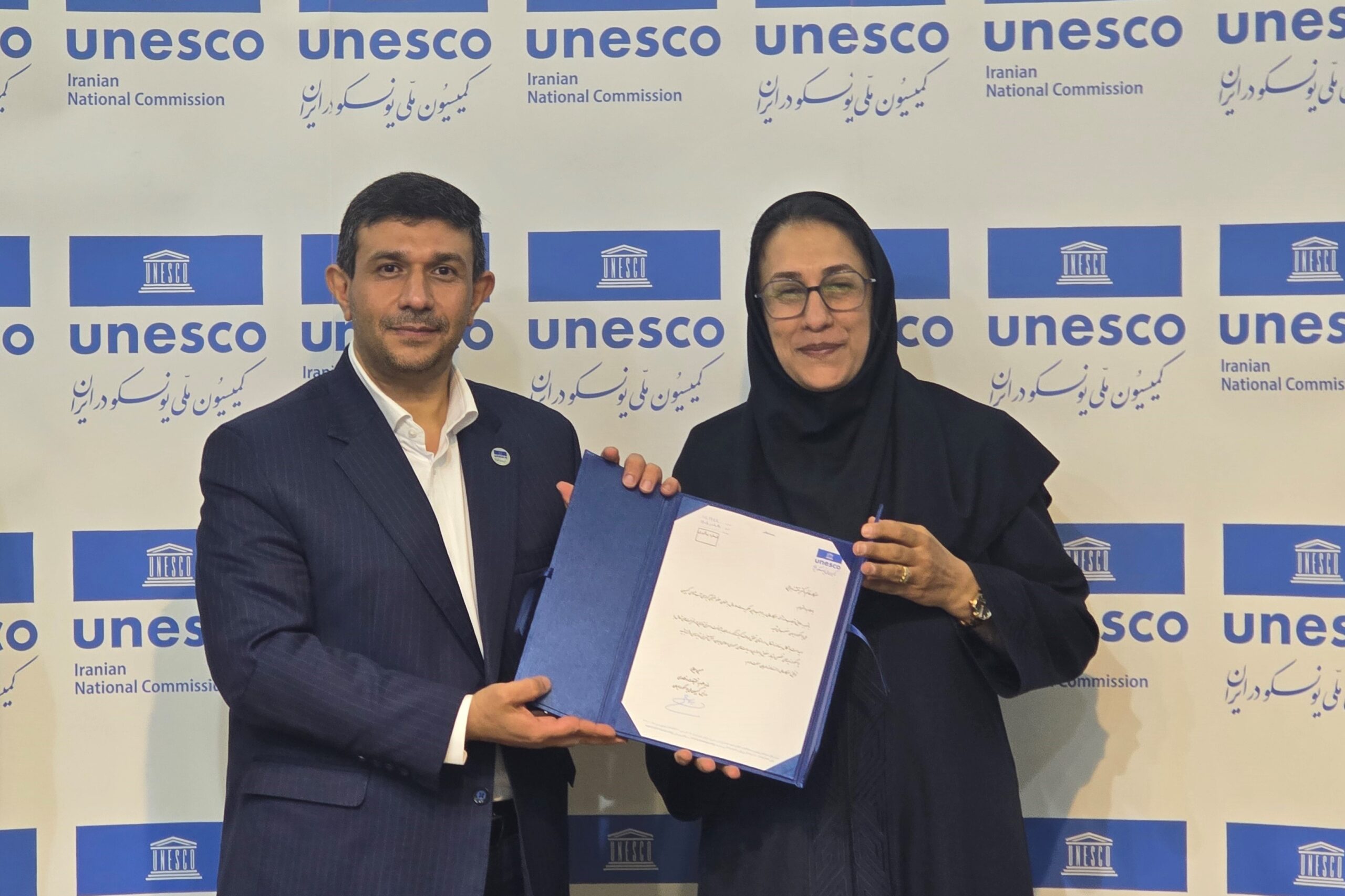
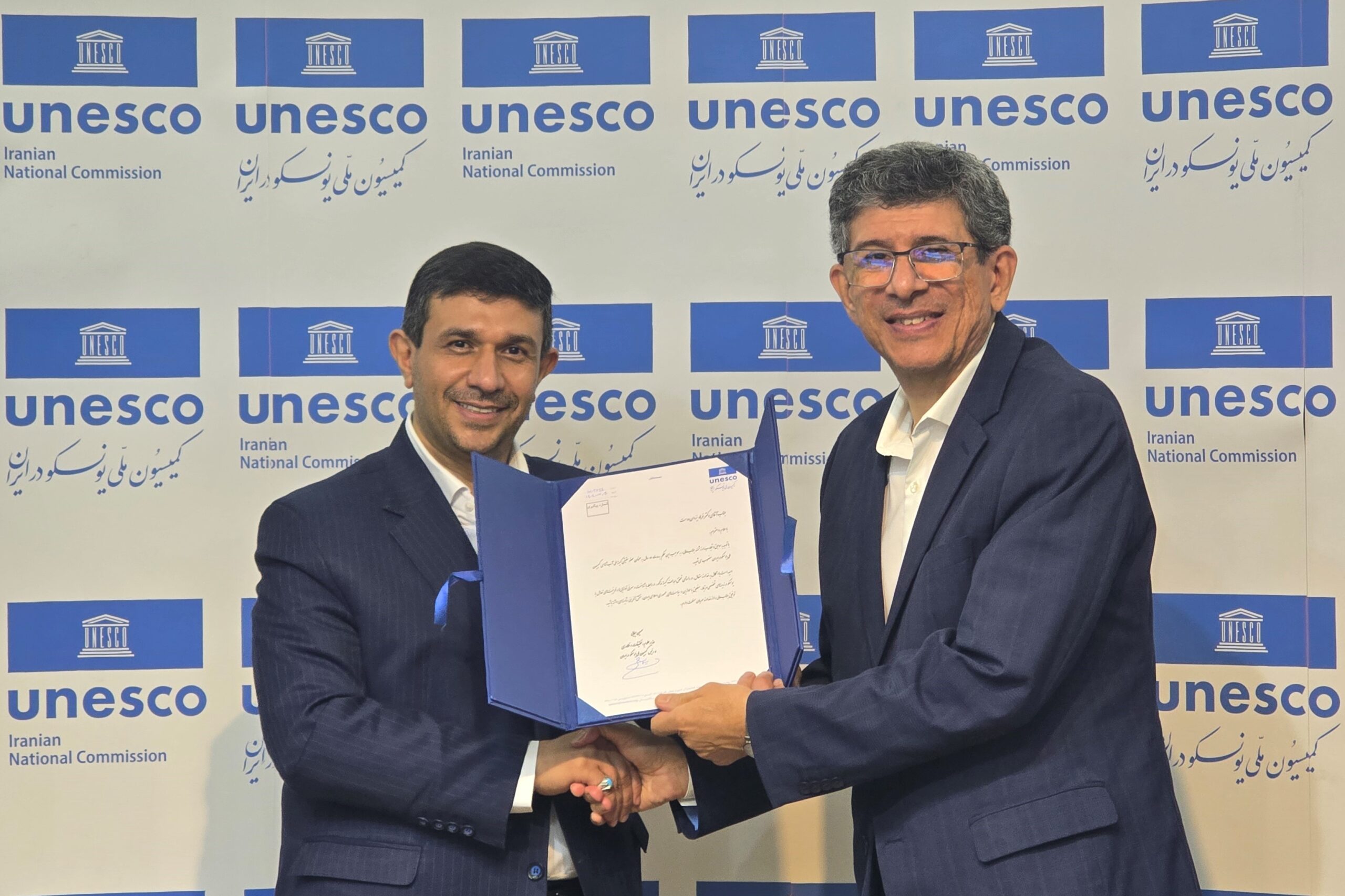
At the end of the meeting, elections for the Committee’s executive board were held in accordance with the new regulations governing the specialized committees of Iran’s National Commission for UNESCO. Based on the members’ votes, Dr. Reza Ardakanian was elected Chair and Dr. Hojjat Mianabadi Vice-Chair of the National Committee for Hydrology. The appointment certificates, signed by the Minister of Science, Research and Technology, were also presented to the Committee’s individual members.
The first meeting of the National Committee for Hydrology can be regarded as an important step towards strengthening cooperation among relevant institutions, developing the country’s scientific and technical capacities, expanding scientific and research exchanges, and making greater use of the capacities of UNESCO’s Intergovernmental Hydrological Programme to promote the sustainable management of water resources and advance the Sustainable Development Goals.