Iran’s Message to the World: Resilience in the Face of Threat, Moving Forward on the Path to Peace
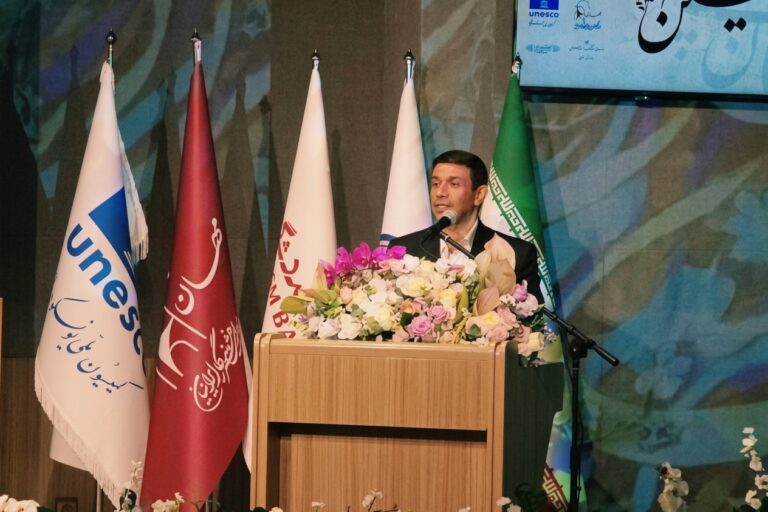
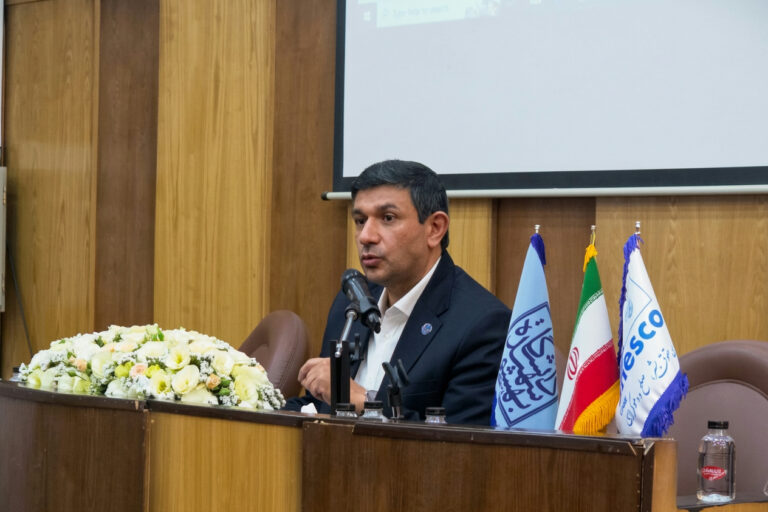
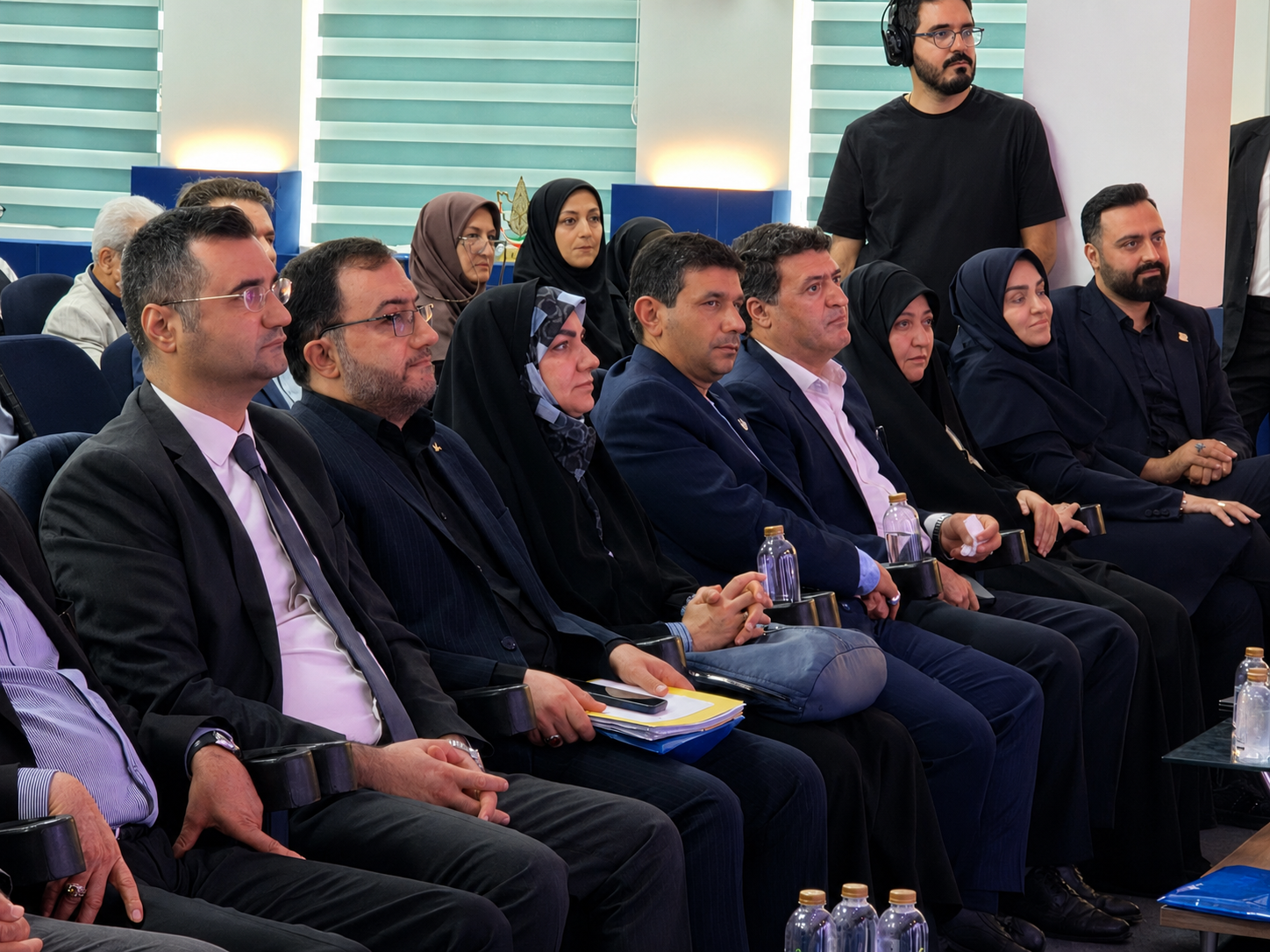
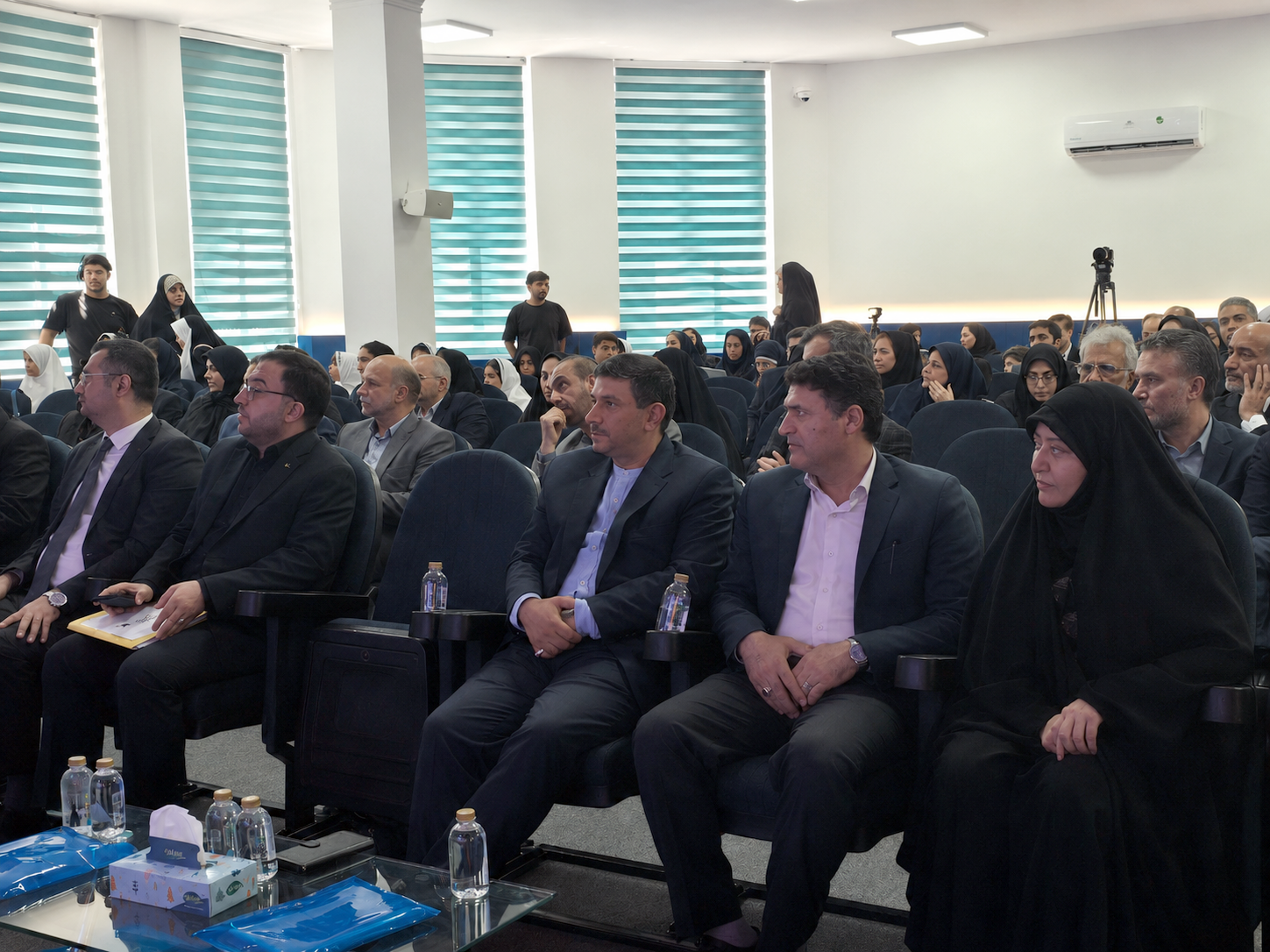
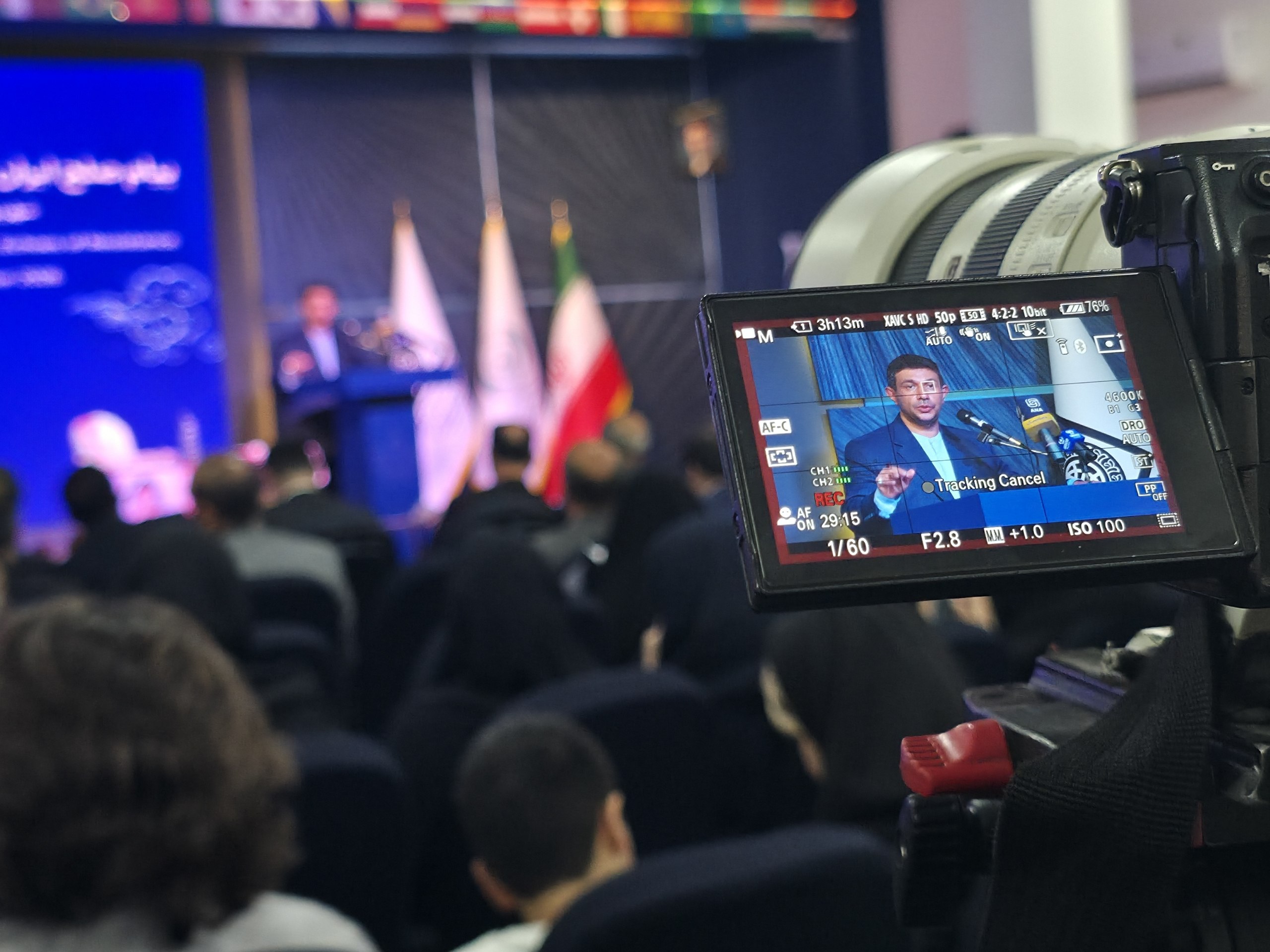
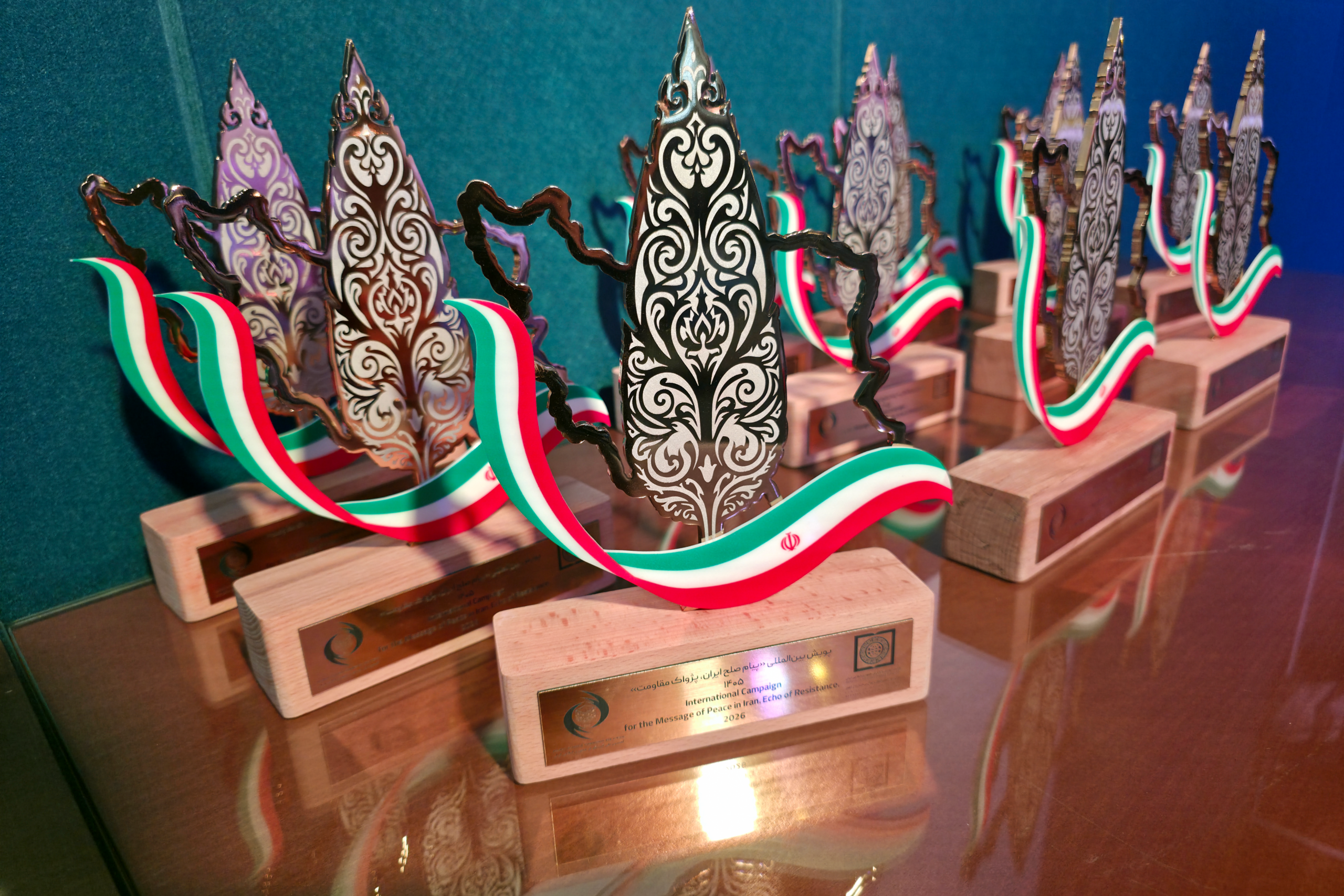
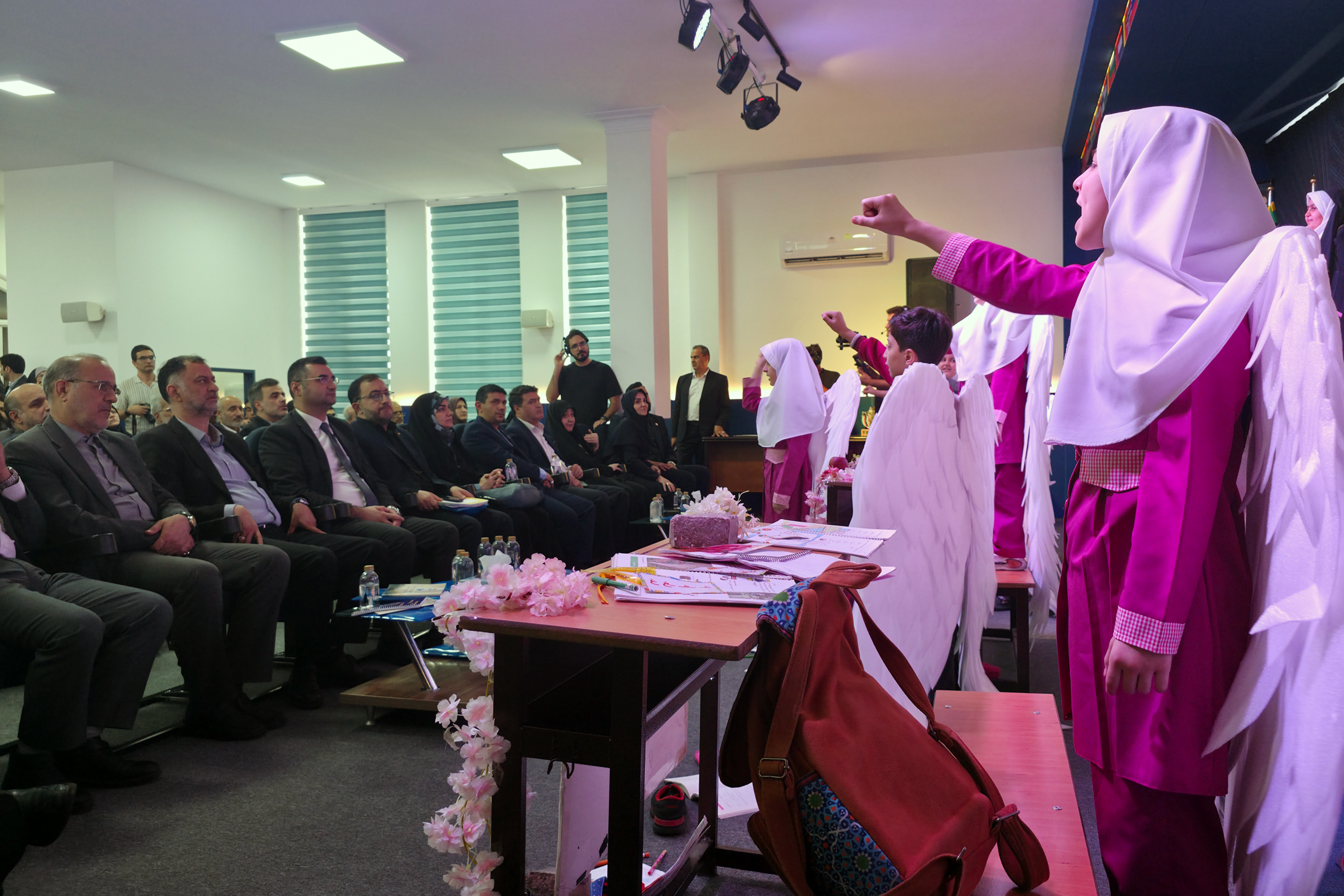
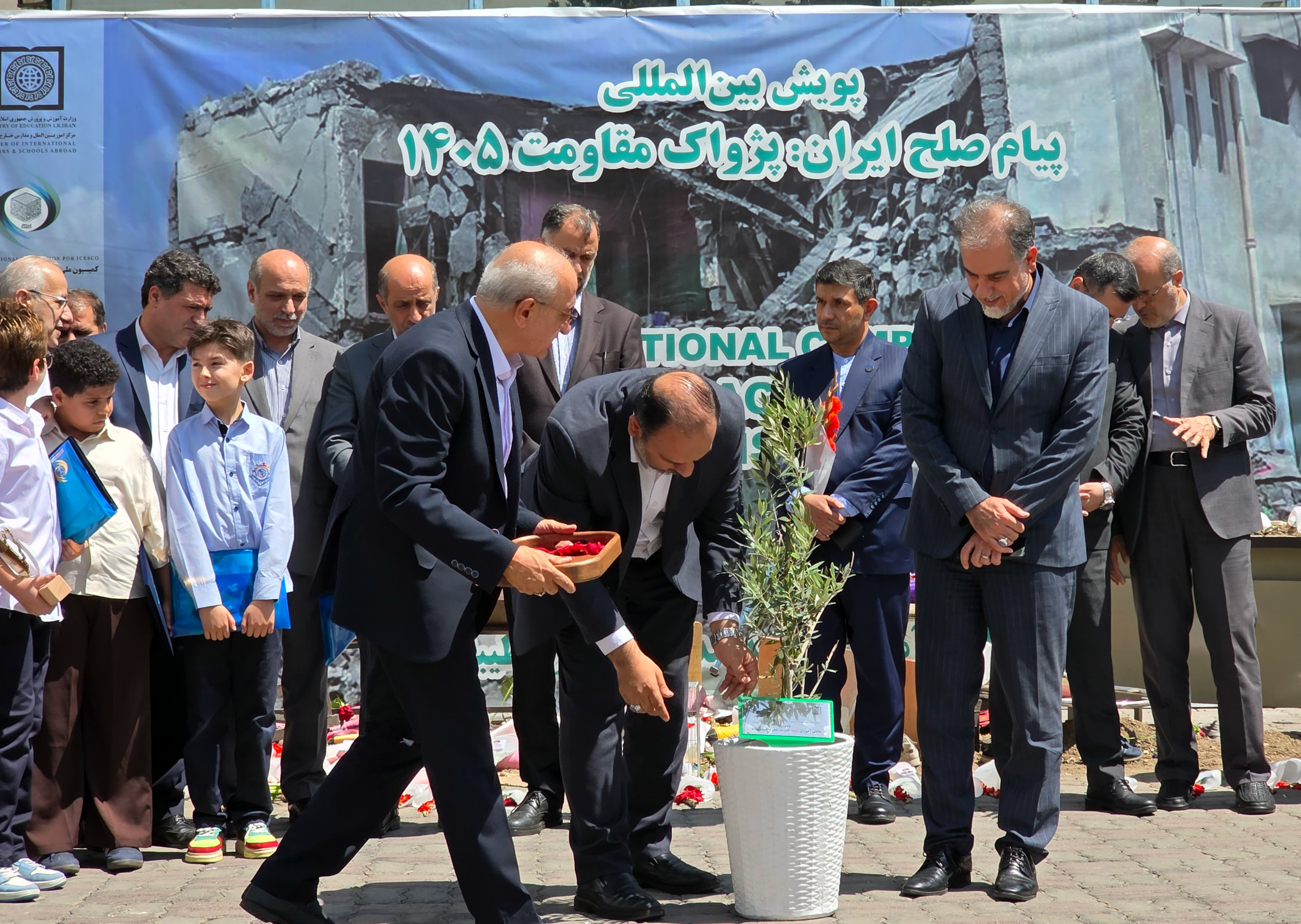
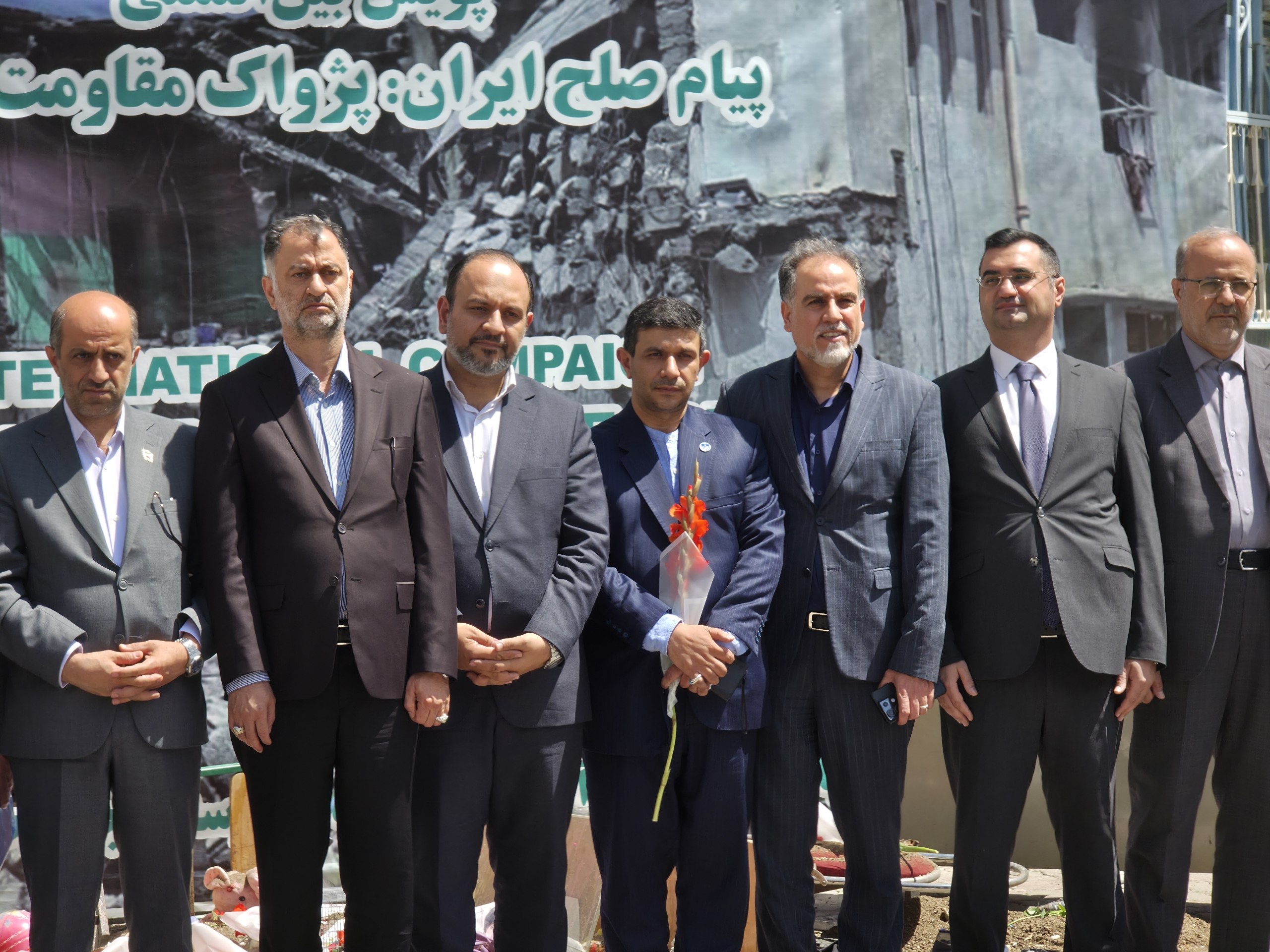
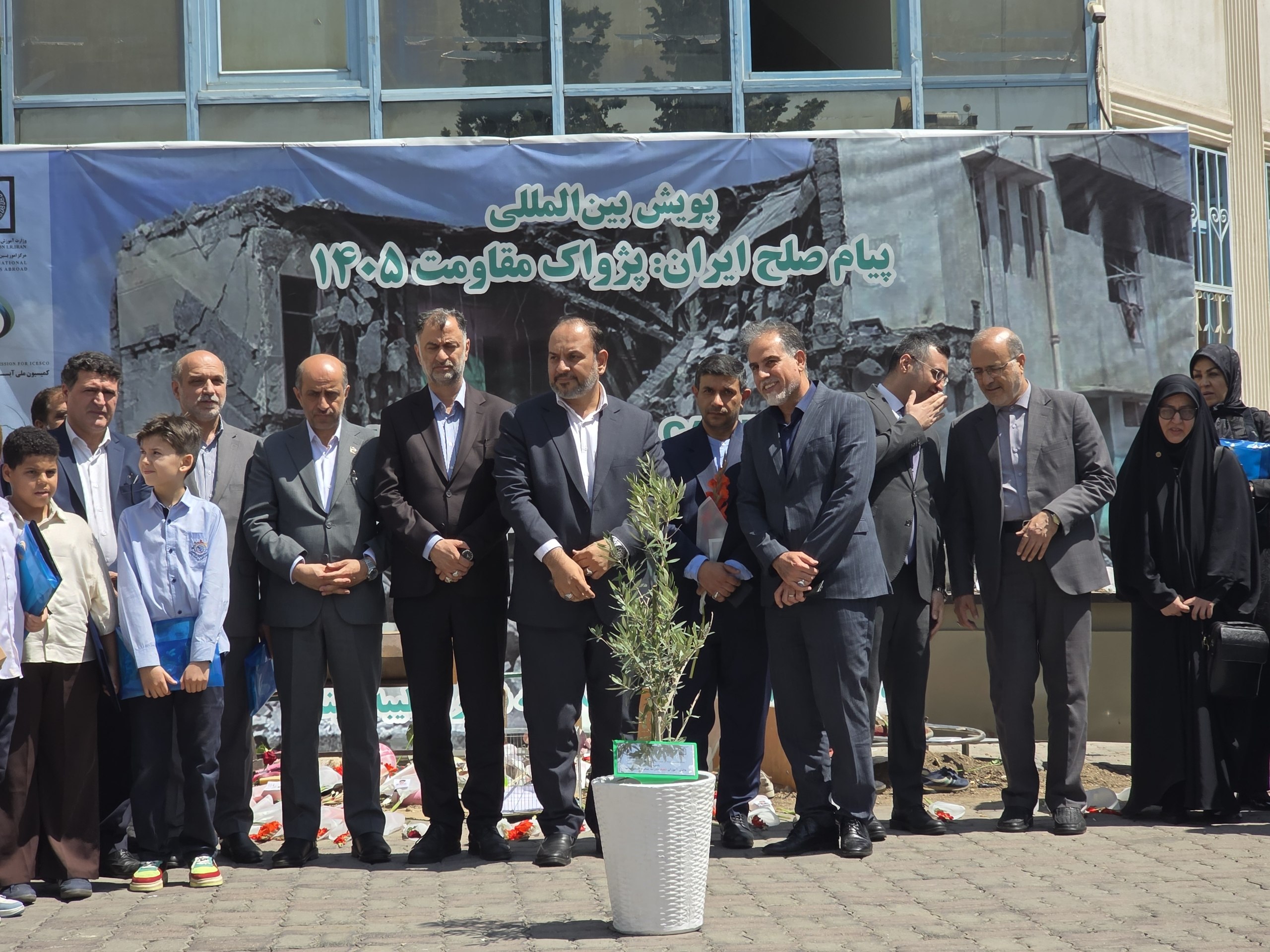
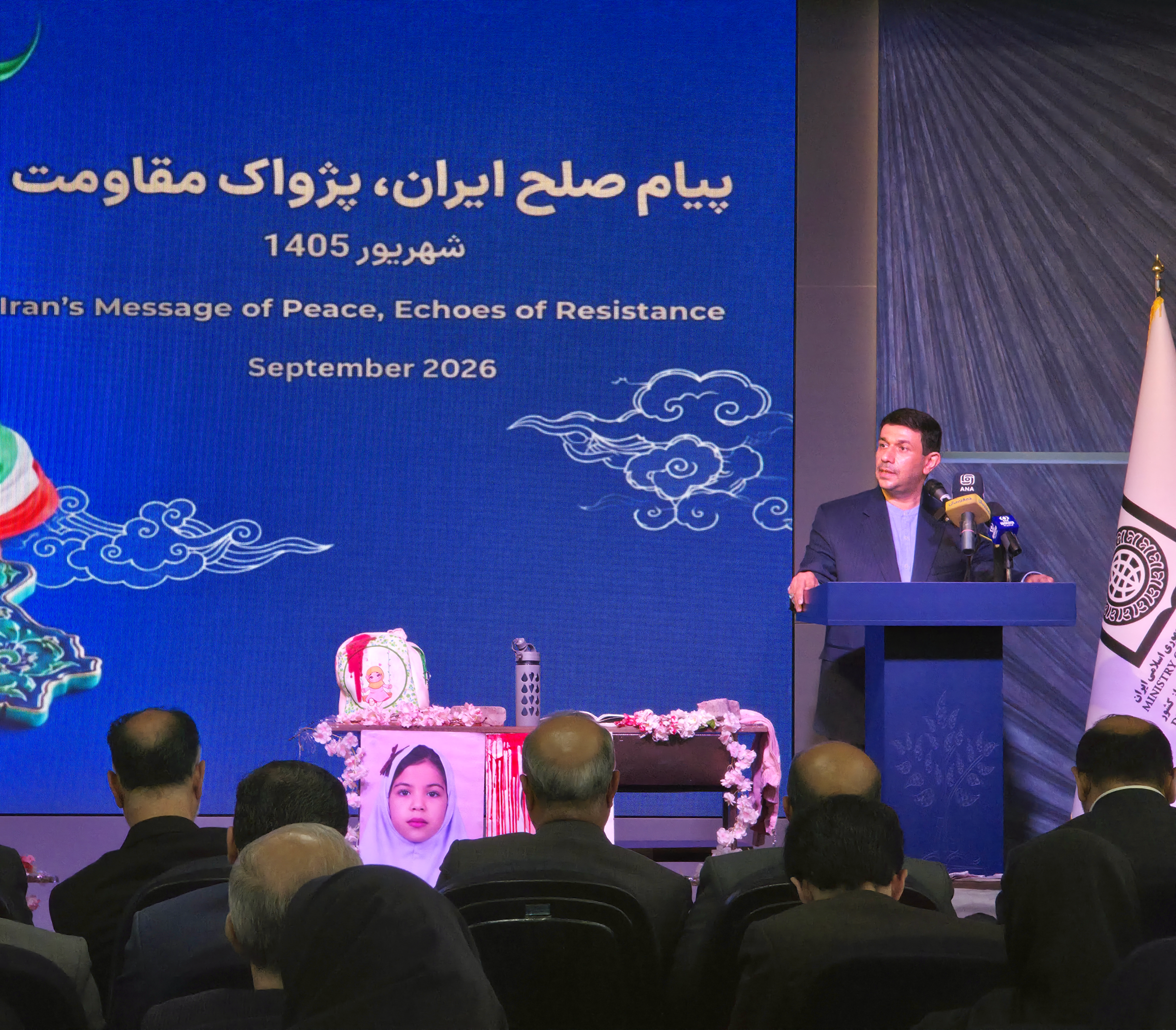
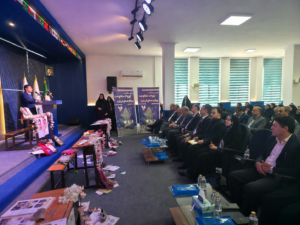
The closing ceremony of the international campaign “Iran’s Message of Peace, Echoes of Resistance” was held on 1 September 2026 at the Tehran Boys’ International and Adapted School Complex. The event was attended by Dr. Mohammad Salimi, Head of the Center for International Affairs and Schools Abroad; Dr. Sadegh Hosseinzadeh Maleki, Deputy Minister for Cultural and Educational Affairs at the Ministry of Education; Dr. Hamidreza Sheikholeslam, Head of the National Organization for Early Childhood Education; Dr. Seyed Mostafa Azarkish, Deputy Minister for Secondary Education; Dr. Seyed Hemayat Mirzadeh, Deputy Minister for Legal and Parliamentary Affairs; Dr. Elham Yavari, Head of the National Organization for Development of Exceptional Talents; Dr. Mitra Teymouri, Ministerial Adviser on Women’s Affairs; Dr. Hamed Allamati, Managing Director of the Institute for the Intellectual Development of Children and Young Adults; Dr. Emut Bashar, Education and Culture Attaché at the Embassy of the Republic of Turkey; and a number of founders and principals of international schools. Dr. Hassan Fartousi, Secretary-General of Iran’s National Commission for UNESCO, also attended the ceremony and delivered a speech.
Speaking at the ceremony, Dr. Hassan Fartousi, Secretary-General of Iran’s National Commission for UNESCO, referred to the Iranian people’s strong spirit of resilience and described the blessings of the month of Rabi’ al-Awwal as a balm for their suffering and hardships. He stated that, following in the footsteps of their ancestors, Iranians have the ingenuity to turn adversity and hardship into valuable opportunities for learning and lessons for themselves and for future generations in Iran and around the world.
Referring to Iranian epics such as the Shahnameh and the wisdom of earlier generations, expressed in the forms of the ghazal and qasida and enduring in the literary history and geography of Iran and the world, he described this as an expression of the Iranian people’s ability to recognize and seize opportunities.
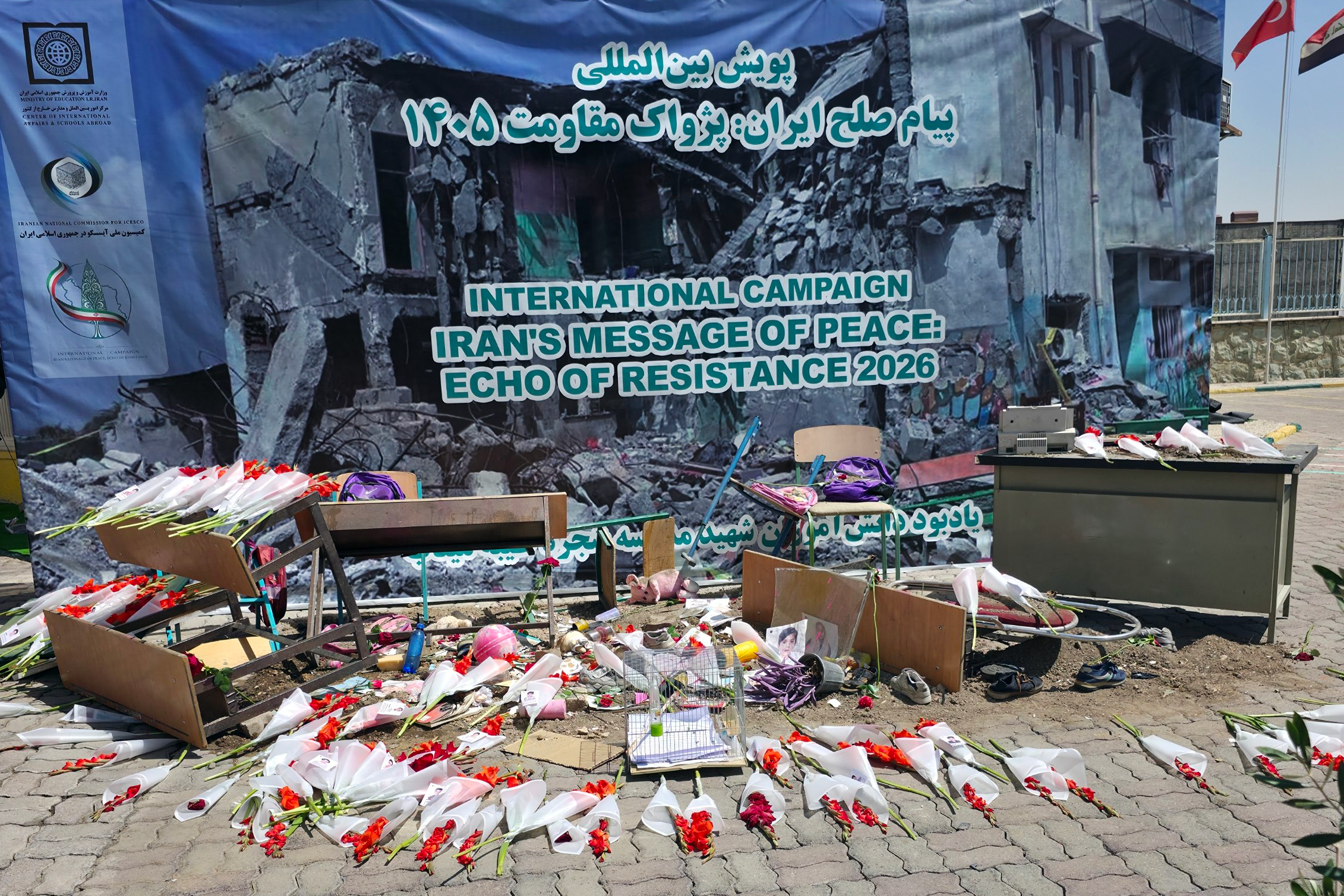
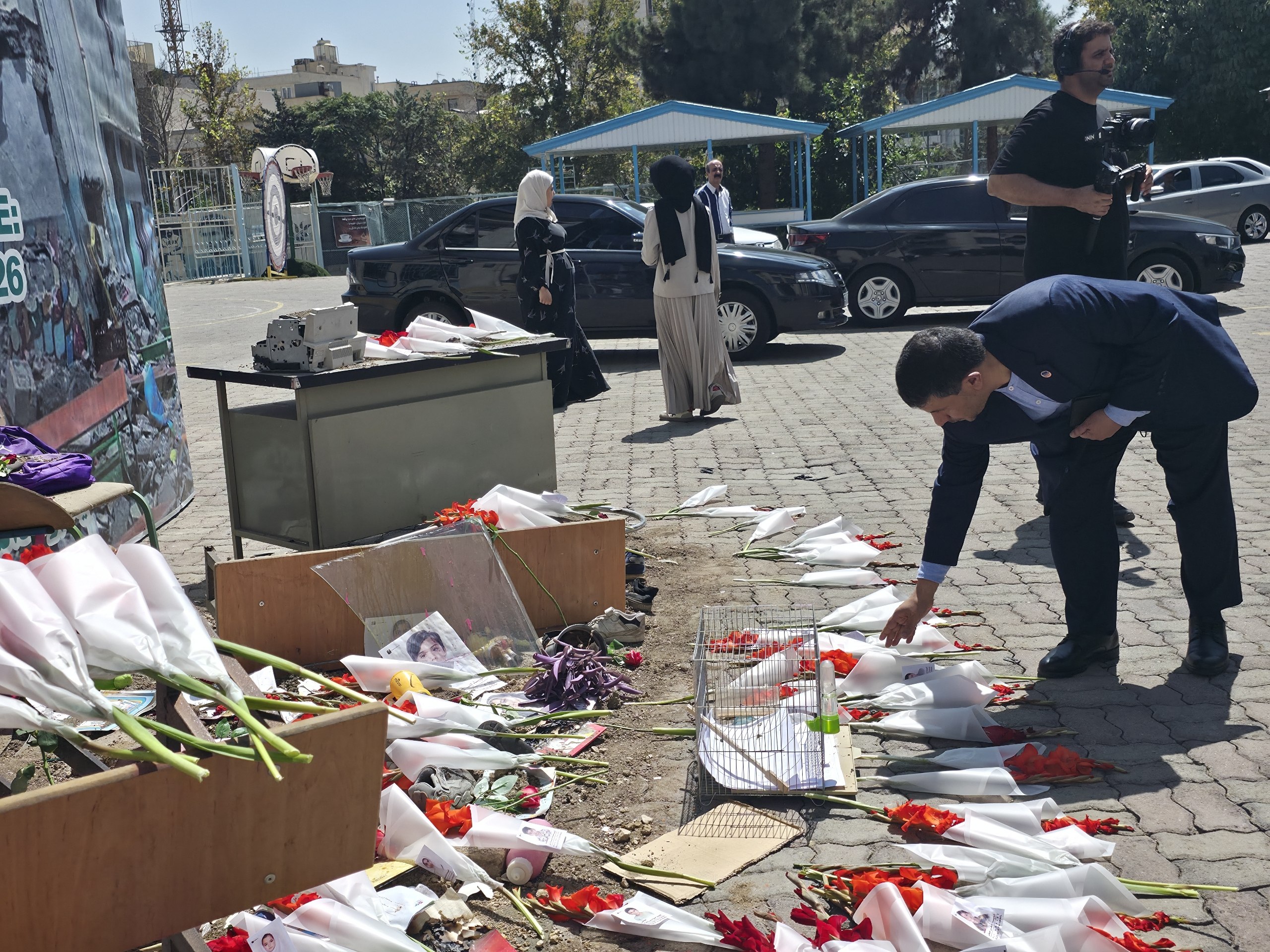
Referring to the Minab school tragedy, the Secretary-General of Iran’s National Commission for UNESCO stated that the Iranian people’s resilience and resistance in the face of external threats and inner suffering are rooted in the history of this land. For thousands of years, he noted, Iranians have drawn on their wisdom to withstand challenges.
Dr. Fartousi went on to say that Iranian resilience and wisdom in the face of hardship and threats, together with the country’s efforts to convey a message of peace to the world, offer a model that can be applied globally. “Just as we do not forget our suffering, we consider living in peace and conveying a message of peace to the world our mission, and we strive to fulfil it.”
Referring to the dominance of force imposed on humanity in the present age, he stressed the need to pursue a path guided by wisdom and peace. He stated that, drawing on its ancient heritage, Iran has consistently pursued a path of wisdom, knowledge and the promotion of peace—a path to which the Prophet of Islam, a mercy to all worlds, has guided us.
Concluding his remarks, the Secretary-General of Iran’s National Commission for UNESCO referred to the efforts of the International Center for Education and expressed hope that the culture of resilience and peace would continue to expand in Iran.