Dr. Fartousi Emphasizes the Role of Intangible Cultural Heritage in Strengthening Cultural Ties and Promoting Sustainable Peace
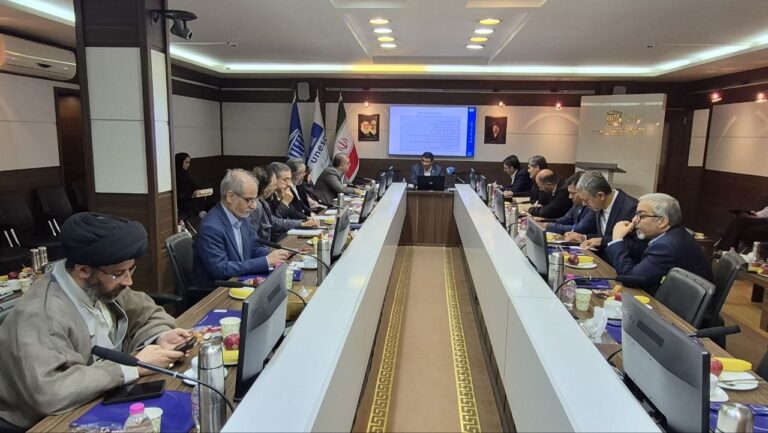
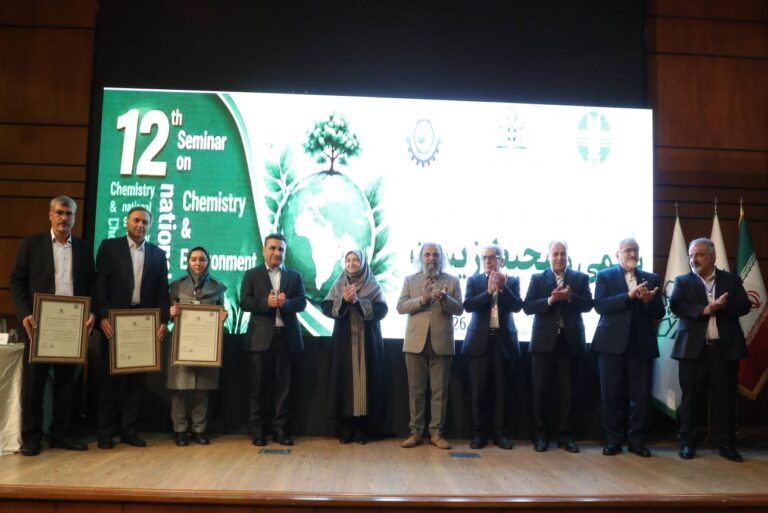
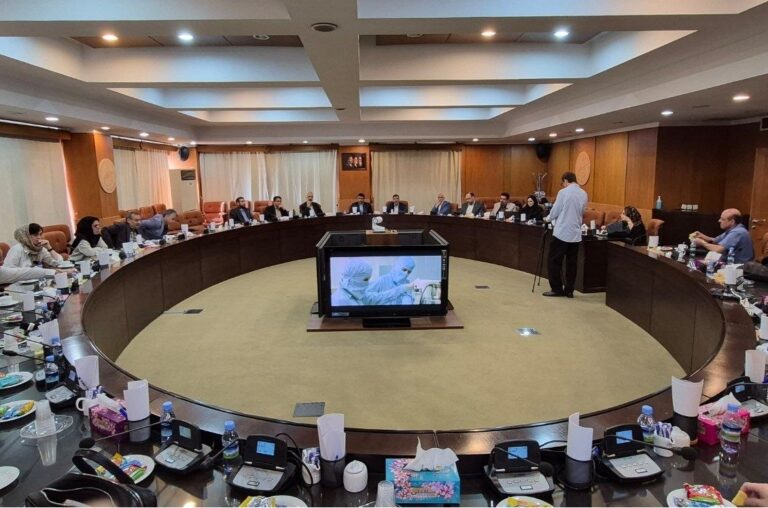
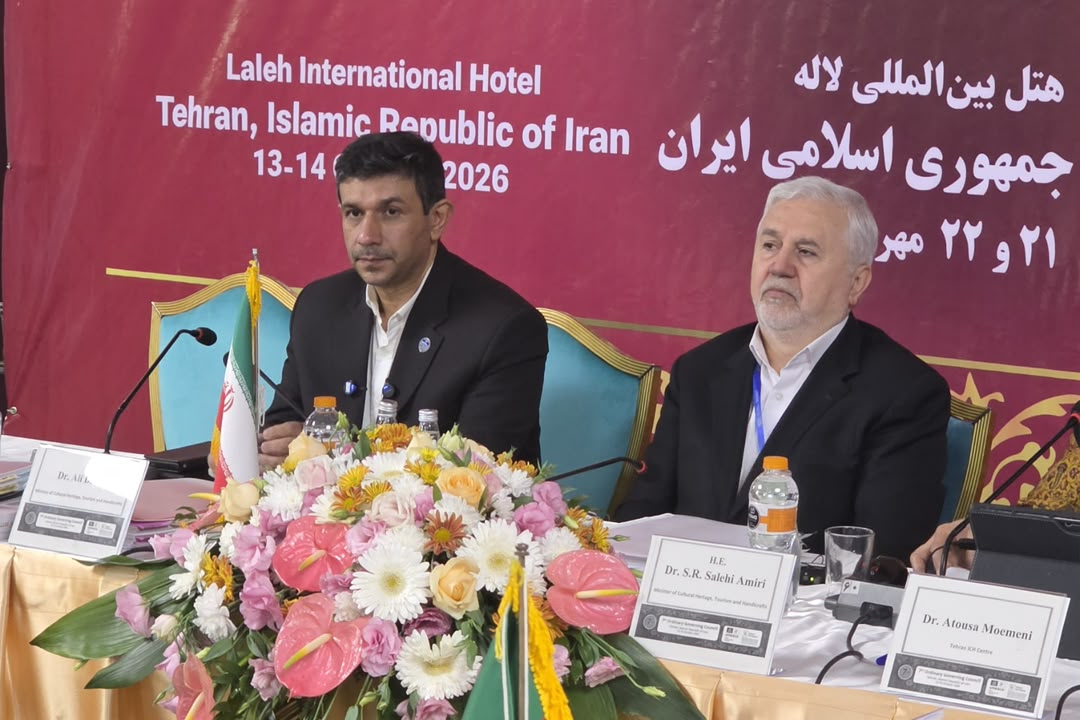
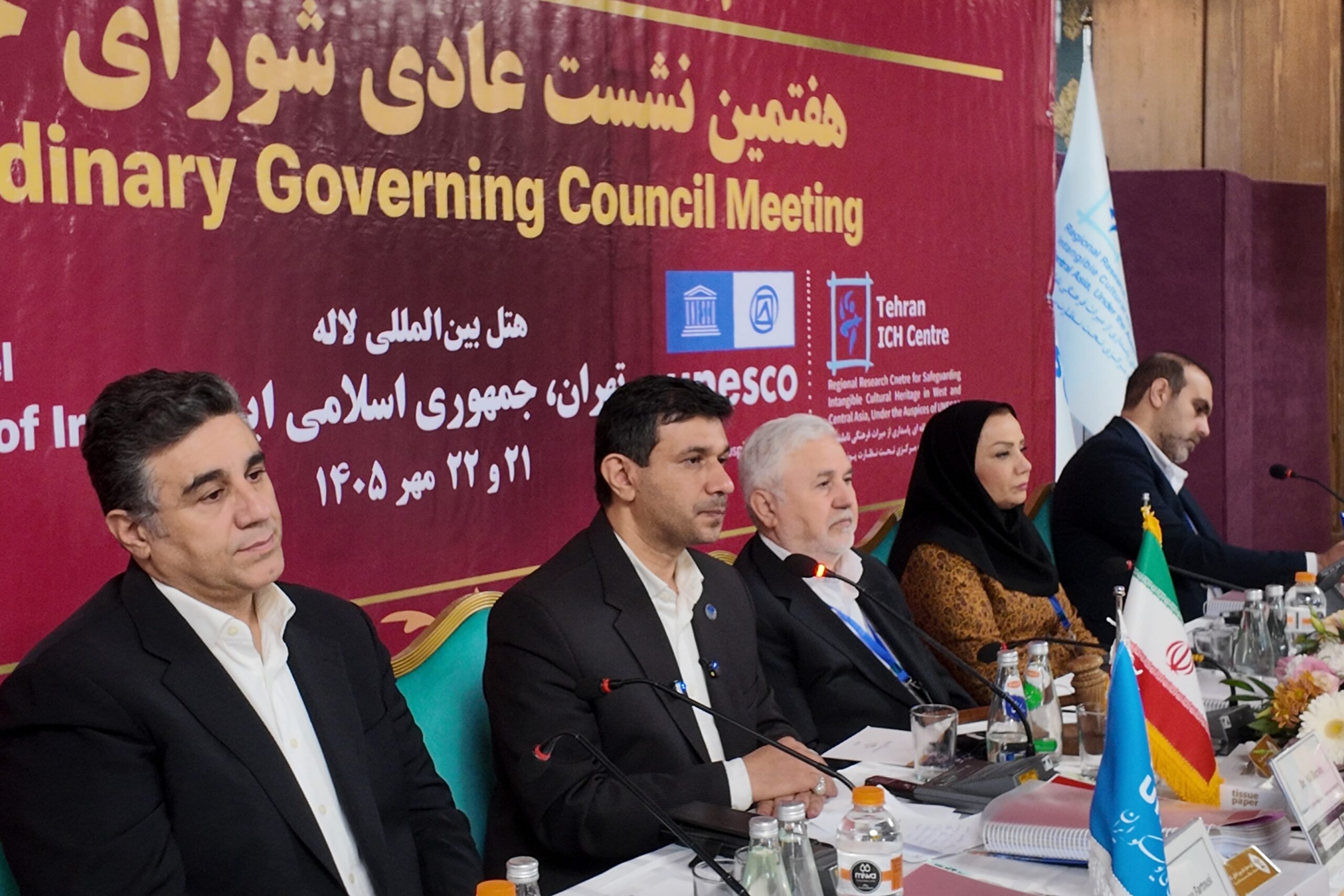
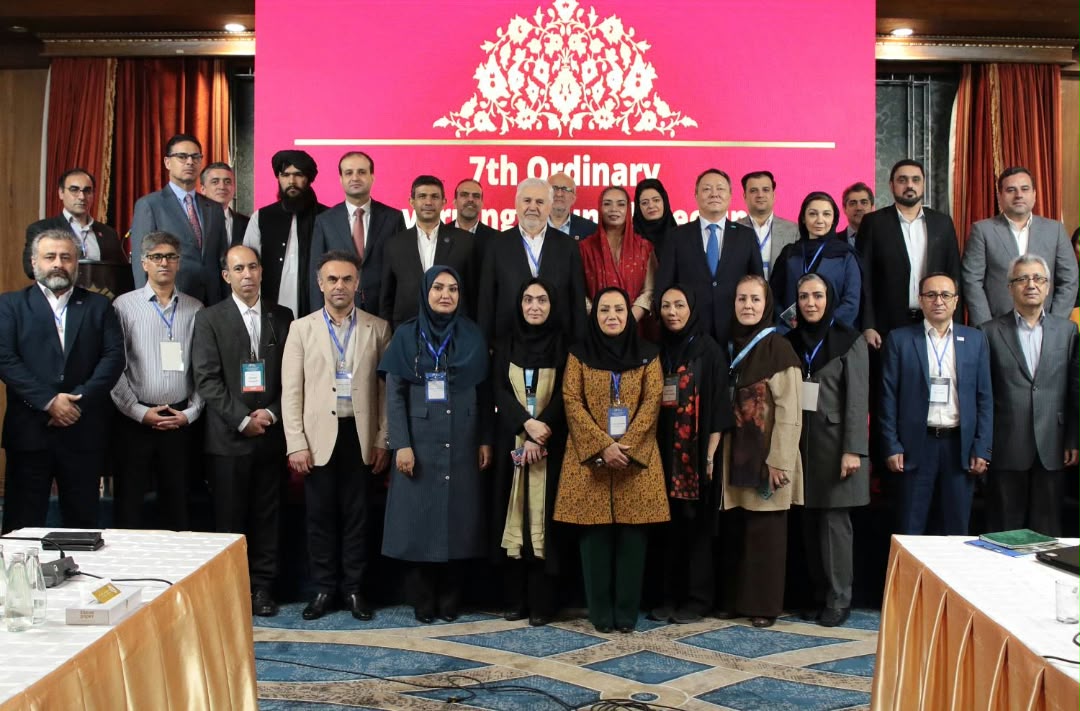
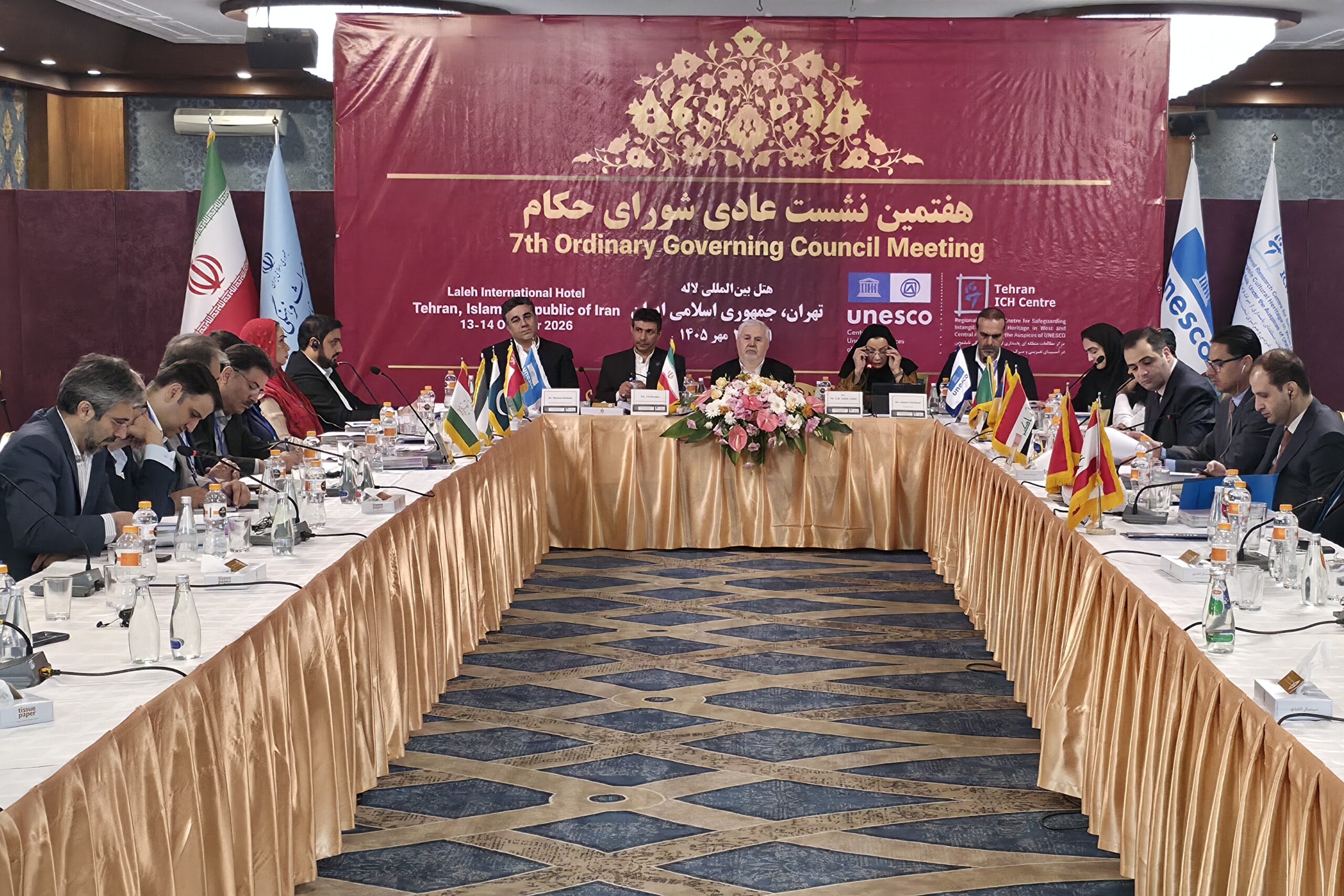
The seventh regular meeting of the Governing Council of the Tehran Intangible Cultural Heritage Center was held on the morning of Tuesday, 13 October 2026, at the Laleh Hotel in Tehran. The meeting was attended by Dr. Ali Darabi, Deputy Minister and Deputy for Cultural Heritage; Dr. Hassan Fartousi, Secretary-General of The Iranian National Commission for UNESCO; Atousa Momeni, Head of the Tehran Intangible Cultural Heritage Center; Dr. Mohsen Gholami, Head of the Education Unit at the UNESCO Office in Tehran; and a number of ambassadors of Member States.
At the beginning of the meeting, a message from Dr. Seyed Reza Salehi-Amiri, Minister of Cultural Heritage, Tourism and Handicrafts, was read out by Dr. Momeni.
Iran’s Commitment to Safeguarding Cultural Heritage and Upholding Culture
In his remarks, Dr. Ali Darabi stated that Iran and its great people had, against their will, become embroiled in two imposed wars waged by two of the world’s nuclear powers. He emphasized that holding this meeting under such circumstances demonstrated the Islamic Republic of Iran’s commitment and loyalty to safeguarding and upholding culture.
He went on to add: “All of us entrusted with responsibilities in the fields of culture and intangible cultural heritage must make greater efforts to place dialogue, persuasion, empathy and mutual understanding at the forefront of our work.”
Intangible Cultural Heritage: A Foundation for Solidarity Among Nations and the Upholding of Human Dignity
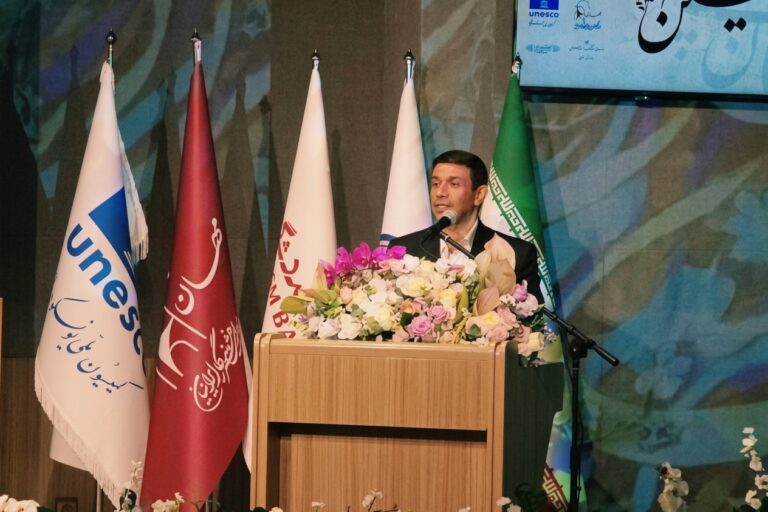
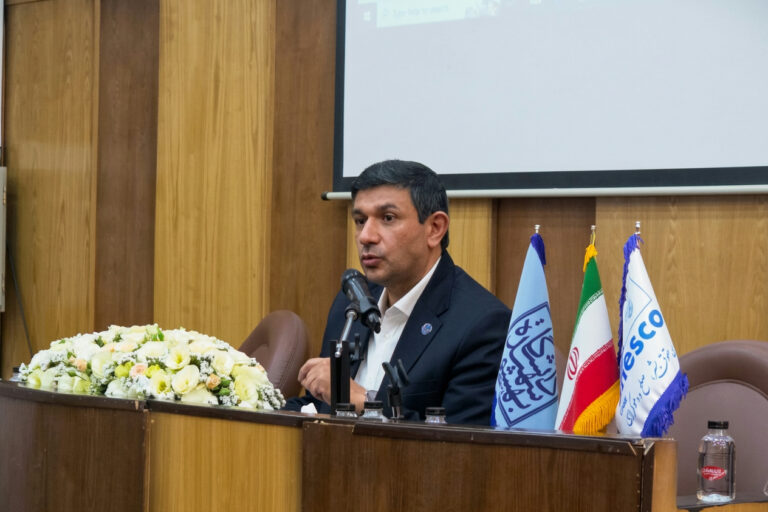
In his remarks at the meeting, Dr. Hassan Fartousi, Secretary-General of The Iranian National Commission for UNESCO, highlighted the importance of safeguarding intangible cultural heritage in the current global context, emphasizing its potential to strengthen historical and cultural ties among nations and foster dialogue and peaceful coexistence.
Noting that the concept of “human dignity” and the belief in the unity of humankind face serious challenges in today’s world, he stated: “At a time when technology is being used to wage war and commit crimes, it becomes increasingly important to ask how we can build on our shared human values and strengthen solidarity among nations.”
Referring to the historical ties that connect human beings, he described renewed attention to these shared bonds as a means of strengthening mutual understanding and expanding cooperation among communities. He noted that the Tehran Intangible Cultural Heritage Center could highlight the longstanding cultural and historical ties among the peoples of the region by introducing and safeguarding their shared heritage, thereby creating new opportunities for cooperation and dialogue.
Highlighting the living nature of intangible cultural heritage, he explained that, unlike tangible heritage, it is woven into people’s everyday lives, rituals, traditions, ceremonies and ways of living. This distinctive characteristic gives intangible cultural heritage particular potential to recall and strengthen cultural ties among nations, beyond political and geographical boundaries.
Referring to traditions such as Arbaeen, Nowruz, Mehregan and other shared customs across the countries of the region, he added that the inscription, promotion and safeguarding of these traditions offer an opportunity to rediscover the deep cultural bonds among nations. These ties demonstrate that differences between societies do not diminish their shared roots and values.
The Secretary-General of The Iranian National Commission for UNESCO also referred to the region’s shared civilizational heritage, citing the Cyrus Cylinder and the Code of Hammurabi as examples of historical and civilizational evidence that can encourage reflection on the history of interaction among human societies. He also recalled the extensive cultural connections linking the Indian subcontinent, Central Asia and centers of civilization such as Samarkand and Bukhara, emphasizing the importance of this heritage in rediscovering shared roots and strengthening dialogue among nations.
Cultural Heritage and the Environment: Two Inseparable Components of Sustainable Development
In another part of his remarks, Dr. Fartousi emphasized the connection between safeguarding cultural heritage, cultural diversity and environmental protection, stating that achieving sustainable development requires simultaneous attention to the cultural and environmental dimensions of community life. Protecting water, soil and the environment, alongside safeguarding cultural diversity, is among the key considerations that must be taken into account in regional planning and cooperation.
Referring to international legal instruments and frameworks related to intangible cultural heritage, he noted that international conventions in this field provide an important foundation for developing the approaches and programs of the Tehran Intangible Cultural Heritage Center and can create a suitable framework for expanding joint cooperation among the countries of the region.
The Secretary-General of The Iranian National Commission for UNESCO also stressed the need to clarify the Center’s position and mandate in its interactions with national and international institutions. He stated: “The Tehran Intangible Cultural Heritage Center is not intended to replace the responsible government institutions or UNESCO. Rather, it can serve as a facilitator and a link among the people, governments and institutions of the countries in the region, helping to expand joint cooperation by bringing together existing capacities.”
In conclusion, he expressed hope that, through the implementation of cultural and awareness-raising programs in the countries of the region, the Tehran Intangible Cultural Heritage Center would further promote mutual understanding among nations, safeguard shared heritage, and strengthen cultural dialogue and cooperation, thereby playing an effective role in promoting lasting peace and sustainable development.
Atousa Momeni, Head of the Tehran Intangible Cultural Heritage Center, also emphasized at the meeting the need to deepen the Center’s activities and enhance their lasting impact on communities. She expressed hope that the constructive discussions at the seventh meeting of the Governing Council would help strengthen mutual trust and expand regional cooperation in safeguarding intangible cultural heritage.