Examining the Role of Museums in Crisis Management and Strengthening Community Resilience
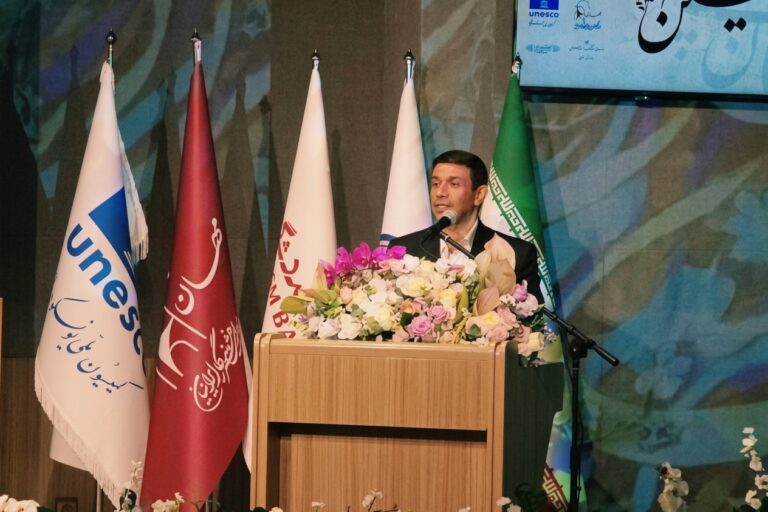
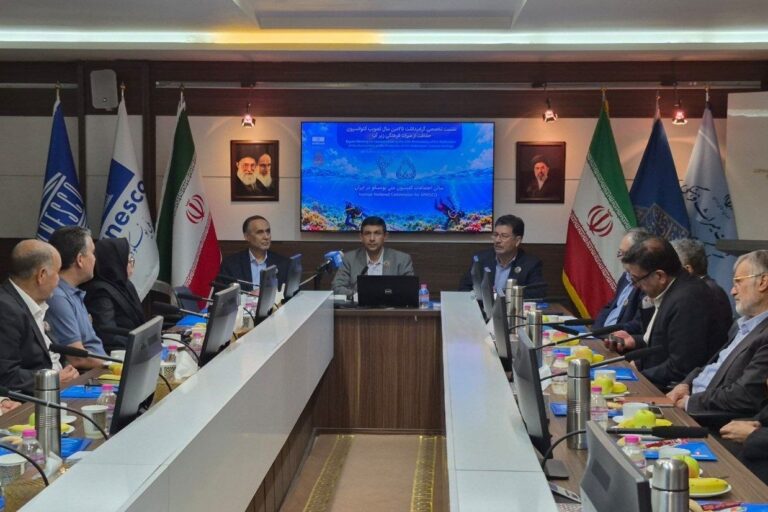
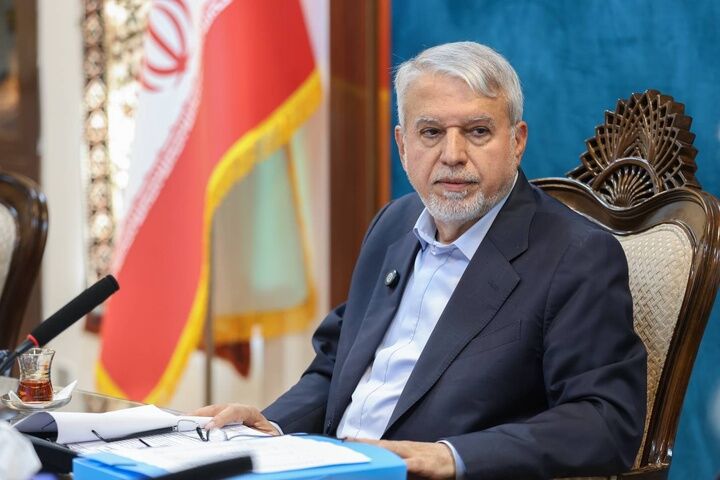
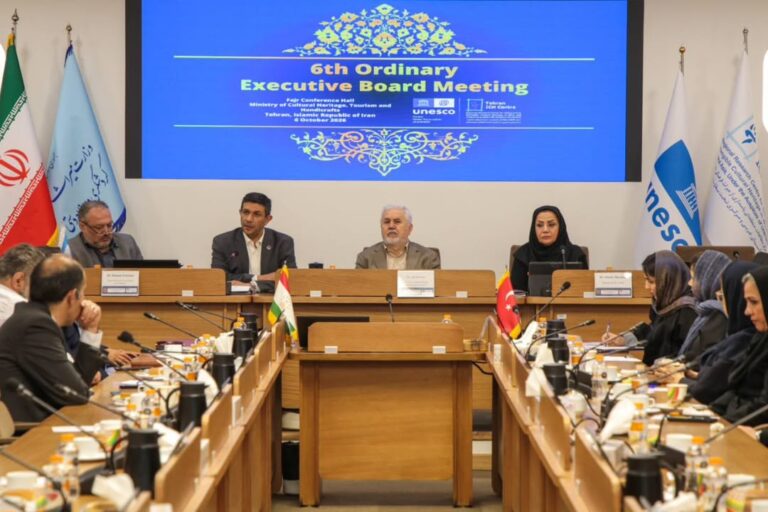
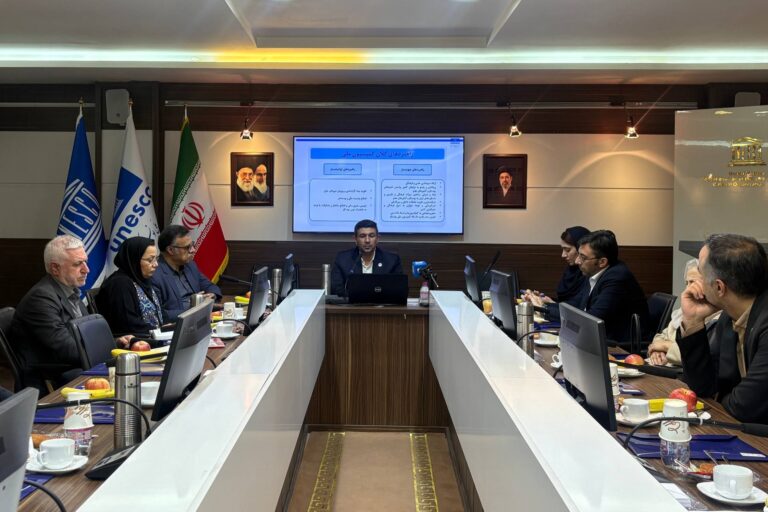
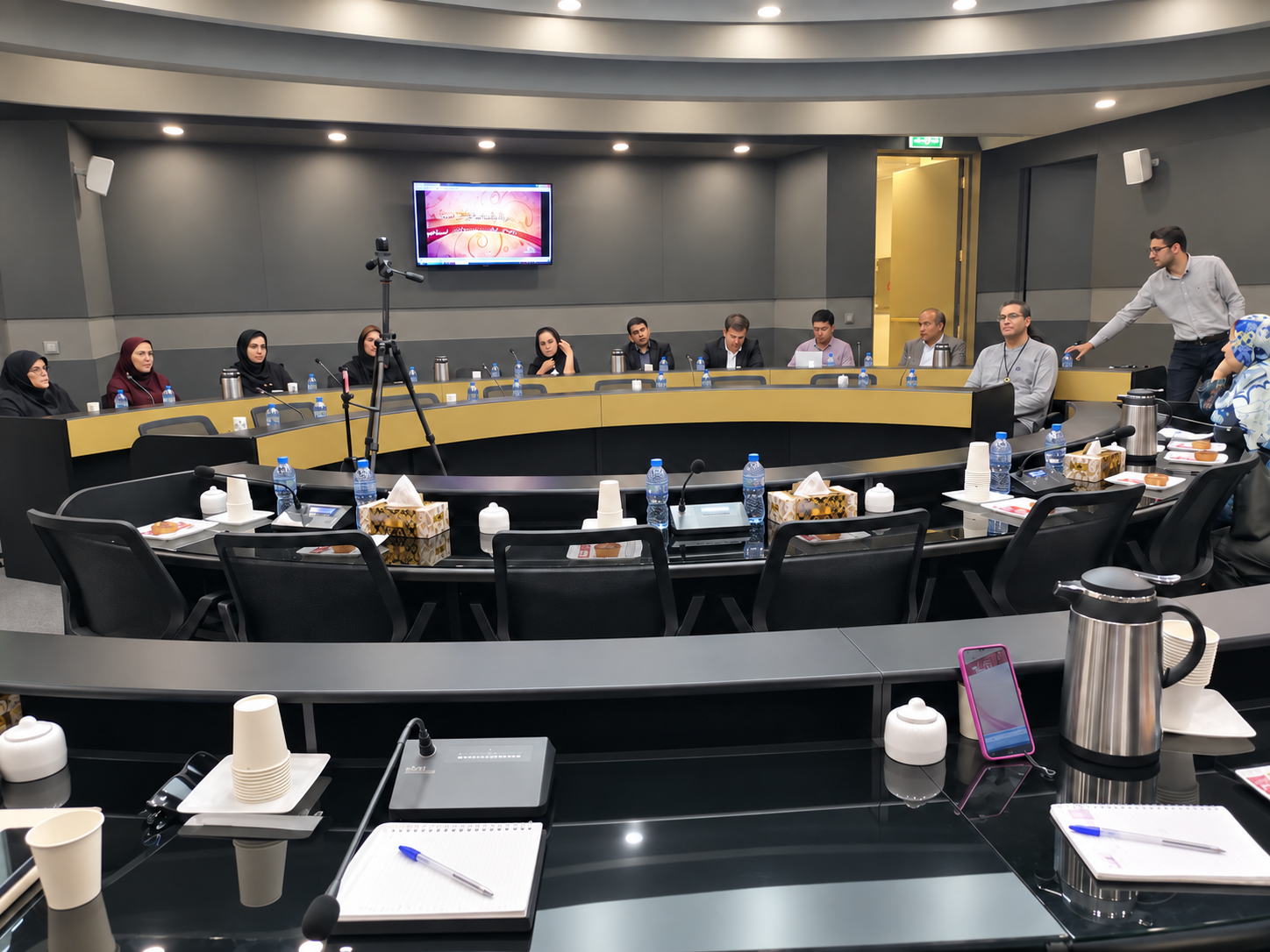
The meeting entitled “The Role of Museums and Collections in Social Connections During and After Wartime” was held in September 2026 at the conference hall of the Defi Museum, with the participation of Dr. Mohammad Ebrahim Zare’i, Head of the Research Institute of Cultural Heritage and Tourism; Dr. Fatemeh Davari, representing the Deputy for Cultural Heritage at the Ministry of Cultural Heritage, Tourism and Handicrafts; Dr. Seyed Ahmad Mohit Tabatabaei, Head of the National Committee for Cultural Heritage and Tourism of Iran’s National Commission for UNESCO; Dr. Monir Khaleghi, President of ICOM Iran; Dr. Alireza Gholizadeh, Advisor and Deputy Head of the Research Institute; and Dr. Hadian, Deputy for Research at the Research Institute of Cultural Heritage and Tourism. A representative of Iran’s National Commission for UNESCO also attended the meeting.
This expert meeting, which focused on the place of museums in society and their social role during times of crisis, examined the responsibility of museums to protect cultural heritage and national and cultural identity, and to strengthen community resilience. It was also emphasized that the mission of museums extends beyond research, preservation, interpretation and education to include engaging with and serving society, as well as safeguarding national and cultural identity. The need to ensure that museums remain operational and open during times of crisis was also underscored.
Presenting documented accounts and conveying facts to the public were among the other key themes emphasized at the meeting. The discussions also addressed the social responsibility of museums, the need to move beyond object-centred approaches, the establishment of emergency bodies and the development of crisis management guidelines, the role of museums in strengthening community resilience and supporting social healing, and the promotion of the values of peace and hope.
The speakers went on to highlight the need for documentation, emergency protection and ensuring the security of museums and cultural collections in times of war and insecurity. They also emphasized the use of new technologies, digitization and information protection as part of strategies for safeguarding cultural heritage during crises.
It is worth noting that the National Congress on Cultural Heritage and War is scheduled to be held later this year, and this meeting was organized as one of the preparatory sessions for the Congress.